





What's Happening?
Google's Envisioning Studio has partnered with fashion designers Jane Wade and Sergio Hudson to develop specialized tools within Google Flow for New York Fashion Week. These custom AI tools aim to streamline the pre-production process for fashion shows.
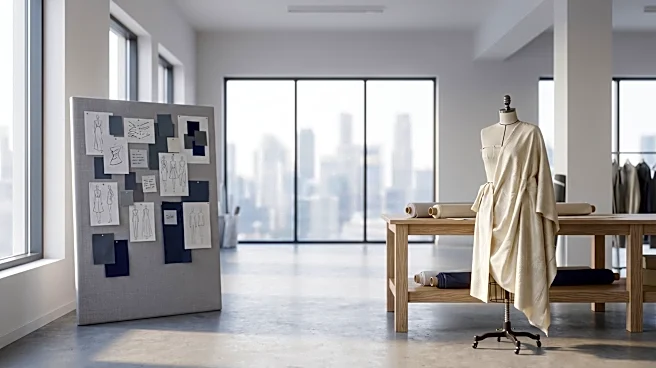
Jane Wade's 'Styling Suite' allows designers to digitally coordinate entire runway looks, including garments, hair, makeup, accessories, and shoes on digital models, before physical samples are created. This helps identify missing elements early in the design phase. Sergio Hudson's 'Runway Visualization' tool assists in planning the logistical aspects of a fashion show, such as venue layouts, lighting, props, and model walking paths, all while adhering to budget constraints. Google states that these tools are designed to support creative workflows without replacing the designer's artistic control, acting as a practical test of the no-code AI studio's capabilities in a specialized creative field.
Why It's Important?
This initiative highlights the growing integration of artificial intelligence into creative industries, particularly in the U.S. fashion sector. By offering tools that reduce logistical burdens and allow for virtual prototyping, Google is positioning AI as a supportive technology rather than a replacement for human creativity. For designers, this could mean significant time and cost savings by minimizing the need for physical samples and extensive in-person fittings, which Google notes can take up to three days. The ability to visualize and adjust designs and show elements digitally before production could lead to more efficient resource allocation and potentially faster turnaround times in a highly competitive industry. This collaboration also serves as a case study for how AI platforms like Google Flow can be tailored to specific professional needs, potentially influencing other creative fields to adopt similar technological solutions.
What's Next?
The immediate next step for Google and the fashion industry will be to evaluate the tangible impact of these tools on efficiency and cost savings, particularly as they were tested during New York Fashion Week. While Google has not yet provided independent evidence of time or cost reductions, the success of these initial applications could lead to broader adoption of AI-powered design and planning tools across the fashion industry. Google's challenge will be to demonstrate that these specialized workflows can be easily replicated and utilized by other designers without direct engineering support. If successful, this could pave the way for more accessible AI tools that empower designers to create custom solutions for their unique processes, potentially democratizing access to advanced design technologies and further integrating AI into the mainstream of fashion production.
Beyond the Headlines
The collaboration between Google and fashion designers delves into the evolving relationship between technology and creativity. It raises questions about the future of design processes, where AI could become an indispensable assistant, handling repetitive or logistical tasks and allowing designers to focus more on conceptualization and artistic expression. This shift could redefine traditional roles within the fashion industry, emphasizing digital literacy alongside design skills. Furthermore, the ethical implications of AI in creative fields, such as intellectual property and the potential for algorithmic bias in design suggestions, will become increasingly relevant. The long-term impact could see a transformation in how fashion is conceived, produced, and presented, potentially leading to more sustainable practices through reduced material waste and more precise production planning, while also fostering new forms of digital artistry and collaboration.