






What's Happening?
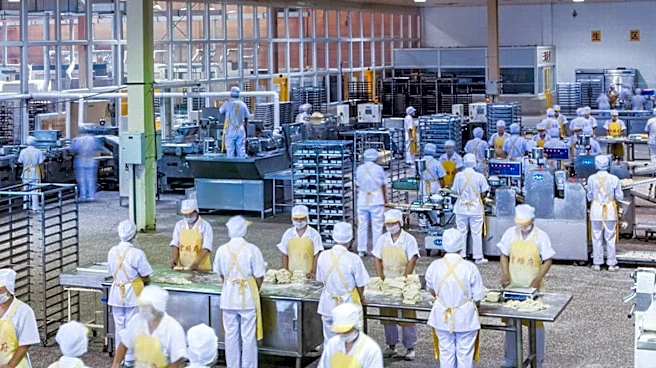
Frozen and convenience food manufacturers in the U.S. face significant regulatory complexities due to the dual jurisdiction of the FDA and USDA Food Safety and Inspection Service (FSIS). This dual oversight applies to facilities producing ready meals
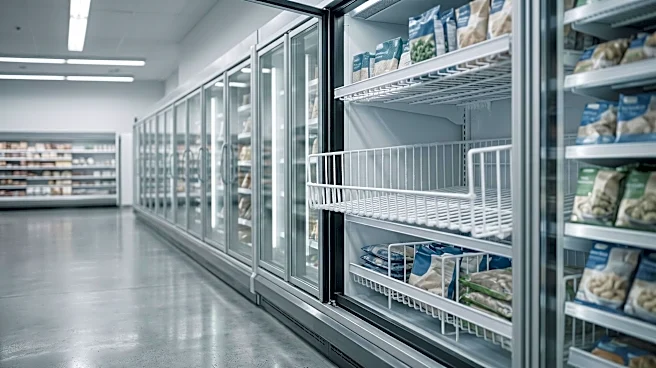
that contain both meat or poultry components, which fall under USDA-FSIS, and other food items, which are regulated by the FDA under FSMA Preventive Controls (21 CFR Part 117). This situation necessitates adherence to two distinct regulatory frameworks, each with its own requirements for hazard analysis, documentation, and inspection. The challenge is further compounded by the misconception that freezing eliminates pathogens; in reality, pathogens like Listeria monocytogenes can survive freezing and resume growth upon thawing, posing a continuous risk, especially in cold-storage environments and ready-to-eat processing lines. Allergen control is another major concern, with shared production lines and complex bills of materials increasing the risk of cross-contact and labeling errors, which are a leading cause of food recalls in the United States.
Why It's Important?
The dual regulatory framework creates substantial administrative friction and increases the potential for compliance gaps within the U.S. food manufacturing industry. Manufacturers must manage two sets of rules, which can lead to inefficiencies, higher operational costs, and a greater risk of recalls. The persistent threat of pathogens like Listeria, even in frozen foods, highlights critical public health implications, as contaminated products can lead to widespread illness and significant brand damage. The high incidence of labeling errors, particularly concerning allergens, underscores a systemic vulnerability that directly impacts consumer safety and trust. This complex regulatory landscape can disproportionately affect smaller manufacturers who may lack the resources to navigate intricate compliance requirements, potentially stifling innovation and market competition. Ultimately, effective management of these challenges is crucial for maintaining food safety standards, protecting public health, and ensuring the economic stability of the U.S. frozen food sector.
What's Next?
To address these challenges, manufacturers are increasingly looking towards integrated compliance solutions that can accommodate both FDA FSMA preventive controls and USDA-FSIS HACCP requirements within a single platform. Such solutions aim to streamline compliance processes, reduce administrative burdens, and minimize the risk of errors. The industry will likely see continued development and adoption of advanced software and systems designed to manage multi-component traceability, allergen cross-contact mapping, and environmental monitoring more effectively. Furthermore, there may be ongoing efforts to enhance staff training on label interpretation and food safety protocols to ensure consistency across handling, warehousing, and retail operations. The focus will remain on improving audit readiness and protecting brands from the financial and reputational damage associated with non-compliance and recalls.
Beyond the Headlines
The intricate regulatory environment for frozen and convenience foods reflects a broader societal demand for safer and more transparent food supply chains. The challenges faced by manufacturers highlight the tension between ensuring public health and fostering an efficient, innovative food industry. The reliance on manual, paper-based compliance systems in many facilities points to a significant digital transformation opportunity, where technology can not only enhance safety but also improve operational efficiency. The ethical dimension of food labeling, particularly concerning allergens, is paramount, as mislabeling can have severe, even fatal, consequences for consumers. This situation also underscores the need for continuous dialogue and potential harmonization between regulatory bodies like the FDA and USDA to create a more unified and less burdensome compliance pathway for manufacturers, ultimately benefiting both industry and consumers.