


What's Happening?
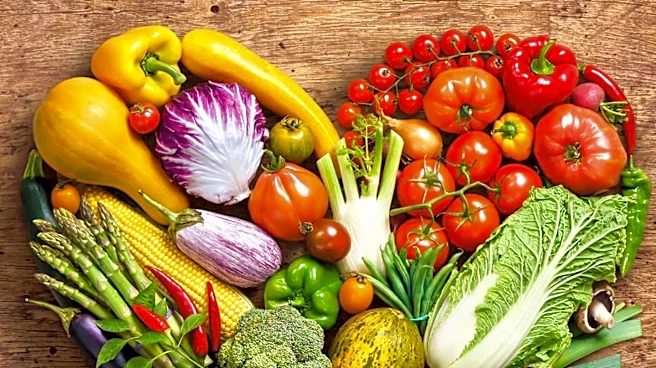
Project FoodBox has released a comprehensive guide focusing on creating healthy, balanced, and affordable crockpot meals. The guide emphasizes combining protein with fiber-rich plants, whole grains, or starchy vegetables, along with flavorful liquids.
It provides practical tips for utilizing pantry staples, frozen produce, and food-box ingredients to manage costs and preparation time. The initiative aims to help individuals and families prepare nutritious dinners without compromising health or budget. Key recommendations include thawing meat before cooking, checking food doneness with a thermometer, and promptly refrigerating or freezing leftovers to ensure food safety. The guide also offers flexible meal-building formulas, such as the 'Protein-Plus-Plants' approach, encouraging the use of ingredients like chicken, turkey, beans, lentils, and various vegetables. It addresses common concerns like sodium intake by suggesting lower-sodium alternatives and homemade seasoning blends instead of processed options.
Why It's Important?
This guide is significant for promoting accessible and healthy eating habits across the U.S., particularly for budget-conscious households. In an era where food costs and health concerns are prevalent, providing practical strategies for affordable, nutritious meals can positively impact public health. By focusing on crockpot cooking, Project FoodBox addresses the need for convenient meal preparation, which can be a barrier for many busy individuals and families. The emphasis on food safety, including proper thawing and cooking temperatures, is crucial for preventing foodborne illnesses, especially in medically vulnerable populations. Furthermore, the guide's flexibility in ingredient choices supports diverse dietary needs and preferences, making healthy eating more attainable for a broader audience. This initiative can help reduce reliance on less healthy, more expensive convenience foods, contributing to better long-term health outcomes and financial savings for American families.
What's Next?
Project FoodBox will likely continue to disseminate this guide through its platforms and potentially collaborate with community organizations to reach a wider audience. Future initiatives might include workshops or cooking demonstrations based on the guide's principles, further empowering individuals to adopt healthier cooking practices. There could also be an expansion of the guide to include more specialized dietary needs, such as vegetarian or allergen-free crockpot recipes. As awareness grows, there may be an increased demand for food-box programs that align with these healthy cooking principles, potentially influencing the types of ingredients included in such boxes. The success of this guide could also inspire other non-profit organizations and public health initiatives to develop similar resources, fostering a broader movement towards affordable and healthy home cooking.
Beyond the Headlines
The guide from Project FoodBox touches upon deeper societal issues related to food insecurity, health equity, and sustainable eating. By advocating for the use of pantry staples and frozen foods, it subtly promotes reducing food waste and making the most of available resources. The focus on balanced meals, rather than restrictive diets, aligns with a more holistic approach to nutrition that considers overall well-being. Ethically, providing accessible information on healthy eating can be seen as a step towards addressing health disparities, as lower-income communities often have limited access to affordable, nutritious food options. Culturally, the guide encourages a return to home-cooked meals, fostering family engagement and potentially preserving culinary traditions. This initiative could also contribute to a long-term shift in consumer behavior, encouraging more mindful grocery shopping and meal planning, ultimately benefiting both individual health and the broader food system.