







What's Happening?
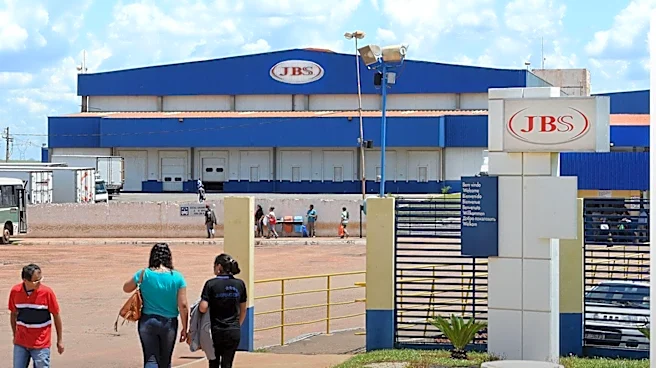
JBS USA recently hosted 4-H students from Weld County at its Greeley beef facility in Colorado as part of National 4-H Week celebrations. The initiative aimed to provide students with firsthand exposure to careers within the food and agriculture industry.
During the visit, students toured the facility, gaining insights into the operations of a modern beef processing plant. They also engaged with JBS team members from various departments, including engineering, food safety, logistics, operations, and human resources, to understand diverse career paths available. According to Celio Fritche, President of JBS Beef USA, the program helps students connect classroom learning and 4-H experiences with real-world opportunities in the food and agriculture sector. Kim Eastwood of Weld County 4-H Extension highlighted the value of the experience for students, many of whom are familiar with JBS but benefited from a direct look at an important part of the agricultural industry.
Why It's Important?
This initiative is important for addressing the future workforce needs of the U.S. agricultural sector. By exposing young people to the diverse career opportunities within food production, JBS USA is actively contributing to the development of the next generation of agricultural leaders. The program helps bridge the gap between agricultural education and workforce development, ensuring a pipeline of skilled professionals for an industry critical to national food security and economic stability. For students, it offers practical insights and helps them explore potential career pathways they might not have considered, such as grading, engineering, or logistics within a large-scale food processing operation. This direct engagement can inspire students to pursue careers in agriculture, thereby strengthening local economies and ensuring the continued innovation and efficiency of the U.S. food supply chain.
What's Next?
JBS USA is expected to continue its engagement with educational programs like 4-H, reinforcing its commitment to fostering agricultural talent. Such partnerships are likely to expand, potentially involving more facilities and a broader range of educational institutions to reach a wider student demographic. The company's ongoing support for career development, as mentioned in its broader focus on the Better Futures program, suggests a sustained effort to invest in its workforce and future industry leaders. This could lead to more structured internship or mentorship opportunities for students interested in agriculture. The success of this event may also encourage other large agricultural companies to implement similar outreach programs, further strengthening the connection between academic learning and practical industry experience across the U.S.
Beyond the Headlines
Beyond the immediate educational benefits, this initiative by JBS USA highlights a broader trend in the U.S. agricultural industry: the proactive effort to attract and retain talent in a sector facing evolving technological demands and demographic shifts. By showcasing the diverse and often technologically advanced roles within food processing, companies like JBS are working to change perceptions of agricultural careers, moving beyond traditional farming roles to include sophisticated engineering, logistics, and food science positions. This strategic engagement with youth programs like 4-H is crucial for ensuring the long-term viability and innovation of the U.S. food system. It also underscores the corporate social responsibility aspect, where major industry players invest in community development and educational enrichment, thereby strengthening their ties with local communities and building a positive public image.