





What's Happening?
Kelly Services, a prominent staffing and workforce solutions company, is actively recruiting for various positions across the United States. The company has 27 job openings in Louisville, KY, alone. Among the specific roles being sought are Quality Control
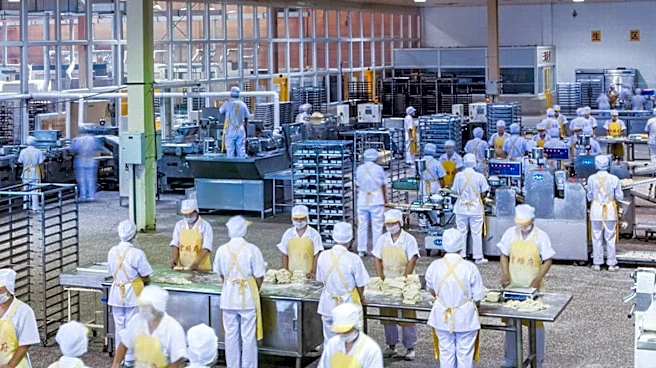
Technicians, with opportunities available in locations such as Sherwood, OR, and St. Louis, MO. These technicians will be responsible for supporting inspections, testing, documentation, and quality improvement within manufacturing environments. Additionally, Kelly Services is looking to hire a Human Resources Generalist in the Greater St. Louis, MO, area. This HR Generalist will play a crucial role in supporting U.S.-based employees and focusing on recruitment efforts. The company emphasizes a detail-oriented approach for the Quality Control Technician role, requiring individuals to work closely with production, engineering, and quality teams to ensure product standards are met. For the HR Generalist position, the focus is on comprehensive support for the company's workforce and talent acquisition strategies.
Why It's Important?
The recruitment drive by Kelly Services is significant for the U.S. job market, particularly in the manufacturing and human resources sectors. The demand for Quality Control Technicians highlights a continued emphasis on product quality and compliance within American manufacturing, indicating a need for skilled labor to maintain industry standards and consumer safety. This also suggests ongoing production activities and potentially growth in these regions. The search for an HR Generalist underscores the importance of robust human capital management and recruitment strategies for companies operating nationwide. Effective HR support is vital for employee retention, talent acquisition, and fostering a productive work environment, which are all critical components of a healthy economy. These job openings provide opportunities for individuals seeking employment in these fields and contribute to local economies through job creation and sustained business operations. The roles offered by Kelly Services often serve as entry points or career advancement opportunities for a diverse workforce.
What's Next?
Kelly Services will continue its recruitment efforts to fill these open positions, likely utilizing various job boards and professional networking platforms. Prospective candidates can expect a multi-stage application process, potentially including initial screenings, technical assessments for the Quality Control Technician roles, and interviews. The company will focus on identifying candidates who possess the required technical skills for quality control and the interpersonal and organizational skills for the HR Generalist position. Successful placements will lead to an influx of new talent into the respective companies and regions, potentially boosting productivity and operational efficiency. The ongoing demand for these roles may also influence local educational and training programs to better align with industry needs, ensuring a steady supply of qualified candidates for future openings. Kelly Services will also likely monitor the effectiveness of its recruitment strategies and adjust as needed to attract top talent.
Beyond the Headlines
The sustained demand for Quality Control Technicians reflects a broader trend in U.S. manufacturing towards stricter quality assurance protocols and regulatory compliance. This emphasis is driven by consumer expectations, international trade standards, and the increasing complexity of manufactured goods. Companies are investing in robust quality control to minimize defects, reduce waste, and enhance brand reputation, which has long-term implications for American competitiveness in global markets. The need for HR Generalists, particularly with a focus on recruitment, points to the ongoing challenges companies face in attracting and retaining skilled labor in a dynamic job market. This highlights the evolving role of HR beyond administrative tasks to strategic talent management, employee engagement, and fostering inclusive workplaces. These trends collectively indicate a maturing U.S. industrial landscape that prioritizes both product excellence and human capital development.