




What's Happening?
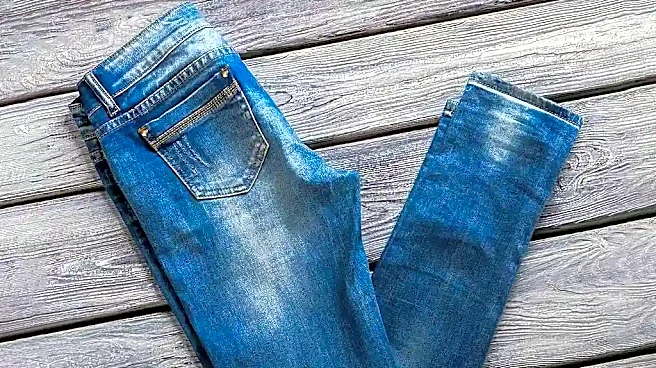
Fashion brands like Levi's and Uniqlo are increasingly offering repair services and sewing workshops to appeal to Generation Z consumers who are interested in sustainability and cost-saving. This shift is part of a broader trend where young consumers are driving
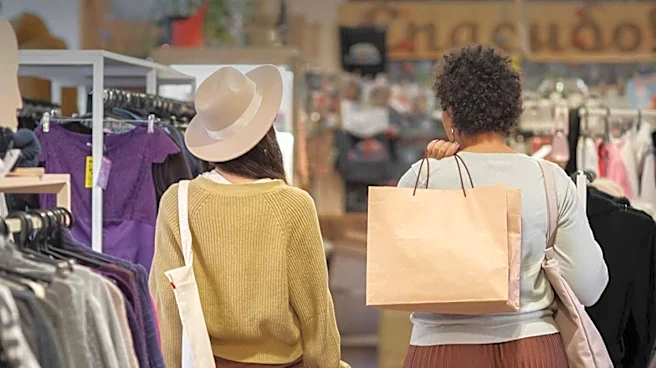
the growth of the second-hand clothing market, which is expanding faster than traditional retail apparel sales in the U.S. Companies are also advocating for tax incentives to make these eco-friendly practices more profitable. Despite the economic challenges, consumers like Chloe Halprin are embracing second-hand shopping to reduce waste and save money.
Why It's Important?
The move towards repair and resale services by major fashion brands reflects a significant shift in consumer behavior, particularly among younger generations. This trend could lead to a reduction in textile waste, which is a major environmental concern. By promoting sustainability, brands can enhance their image and appeal to environmentally conscious consumers. However, the economic viability of these services remains a challenge, as manufacturing new garments is often cheaper than repairing existing ones. The success of these initiatives could influence broader industry practices and policies, potentially leading to more sustainable fashion consumption.
What's Next?
Fashion brands are likely to continue expanding their repair and resale services as they seek to capture the growing market of eco-conscious consumers. The push for tax incentives could gain momentum, potentially leading to policy changes that support sustainable practices in the fashion industry. As more consumers embrace second-hand shopping, brands may need to innovate further to meet demand and maintain profitability. The long-term impact on the fashion industry will depend on the balance between consumer demand, economic feasibility, and environmental benefits.