


What's Happening?
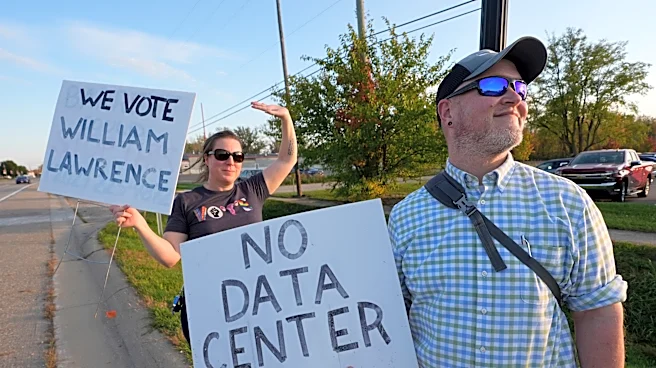
OpenAI CFO Sarah Friar announced that the company will persist in investing in artificial intelligence infrastructure, even after voters in recent midterm elections largely rejected data center development. Friar stated that OpenAI needs to continue these
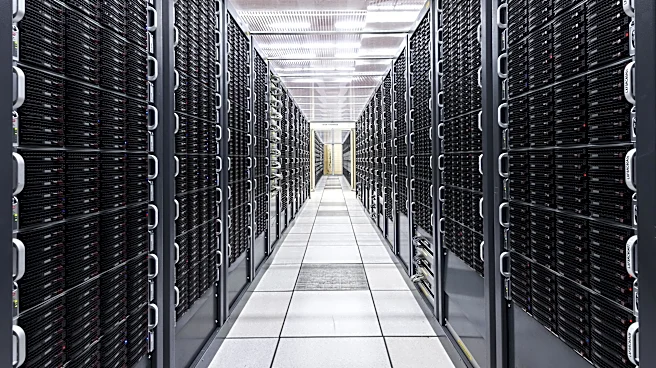
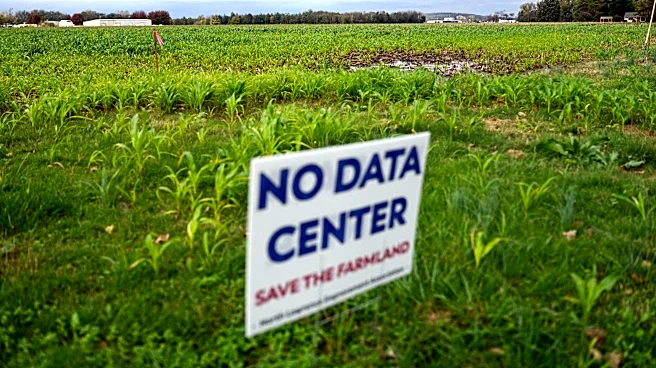
investments to meet customer demand for its AI models and services. This decision comes in the wake of 41 local ballot measures across 10 states, where voters either imposed restrictions or rejected pro-development proposals for data centers, with only one exception, according to analyses by Ballotpedia and CNBC. Public opposition to these facilities has grown due to concerns about environmental impact, increased utility bills, and potential job losses. Despite a recent skeptical turn in the AI trade among investors, marked by a significant drop in Nasdaq shares tied to AI buildout, OpenAI remains committed to its infrastructure expansion, emphasizing the need to build trust within communities affected by data center development.
Why It's Important?
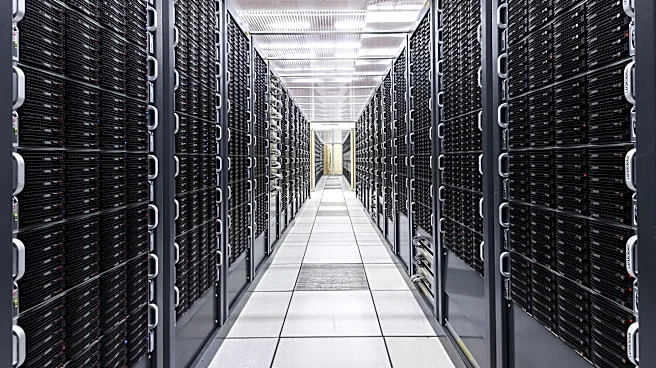
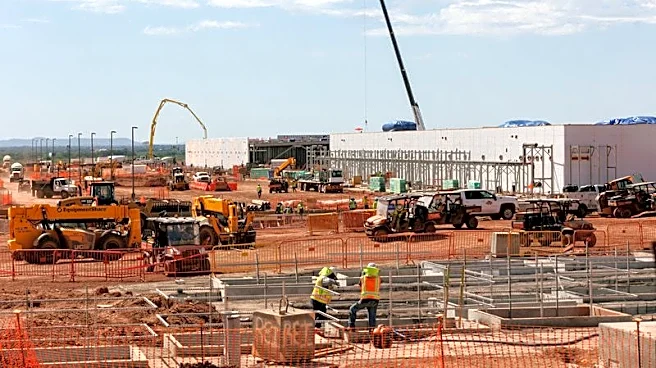
OpenAI's unwavering commitment to data center investment, despite public and electoral pushback, highlights the critical role of infrastructure in the rapidly expanding AI industry. The company's reliance on these centers to train its AI models and serve customers underscores the foundational nature of such facilities for technological advancement. The public's growing concern over data centers' environmental and economic impacts, as evidenced by the midterm election results, signals a potential conflict between technological progress and community interests. This situation could lead to increased regulatory scrutiny and more stringent local ordinances, potentially raising the cost and complexity of AI infrastructure development. For the broader U.S. economy, continued investment in AI infrastructure is crucial for maintaining a competitive edge in the global technology landscape, but it also necessitates addressing community concerns to ensure sustainable growth and public acceptance.
What's Next?
OpenAI plans to continue its efforts to engage with communities and build trust, particularly in areas where data centers are proposed or located. The company's CFO, Sarah Friar, indicated that OpenAI will keep raising capital to support its infrastructure investments. This suggests ongoing financial activities, including potential funding rounds, to fuel its expansion. OpenAI had confidentially filed its prospectus with the Securities and Exchange Commission in June and is still considering a public debut in 2027. The company is also in talks to raise funding at a $1.25 billion pre-money valuation. These developments indicate a continued push for growth and market presence, potentially leading to more discussions and policy adjustments regarding data center development at local and state levels across the U.S. as the industry navigates public sentiment and regulatory landscapes.
Beyond the Headlines
The tension between the rapid expansion of AI infrastructure and local community concerns about environmental and economic impacts points to a broader societal challenge: balancing technological innovation with sustainable development and community well-being. The midterm election results reflect a growing public awareness and demand for accountability from large technology companies regarding their operational footprints. This could catalyze a shift towards more environmentally conscious and community-integrated data center designs and operational practices. Furthermore, the skepticism from investors, coupled with public backlash, suggests that the 'AI trade' may face increasing pressure to demonstrate not only technological prowess but also social responsibility. This dynamic could influence future policy-making, potentially leading to new regulations that mandate greater transparency, environmental safeguards, and community benefit agreements for AI infrastructure projects, thereby shaping the long-term trajectory of AI development in the U.S.