




What's Happening?
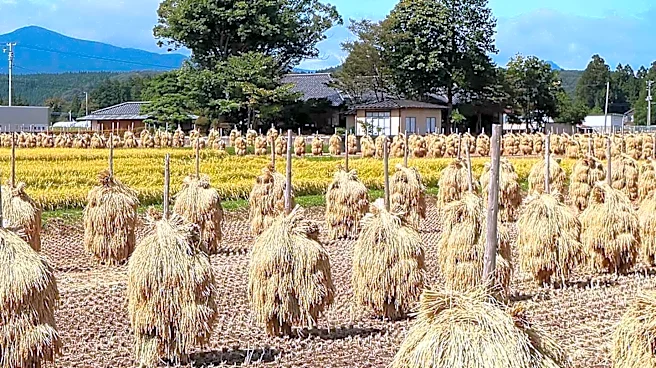
Despite an increase in the number of farms in Alaska, the state's food system faces significant challenges in post-harvest processing, storage, packaging, marketing, and distribution. While initiatives like the 'Alaska Grown' program have successfully
promoted local produce, the infrastructure to support a fully localized food supply chain is lacking. For example, while Alaska can grow enough potatoes, there is insufficient storage and processing capacity. This gap means that even locally grown products often cannot reach consumers efficiently or in a processed form. The success of the Alaska Flour Company, which processes locally grown barley into products, is highlighted as a rare example of a full-scale, in-state operation. The University of Alaska Fairbanks Institute of Agriculture, Natural Resources and Extension (IANRE) is actively researching and developing solutions, but large-scale infrastructure remains a future goal.
Why It's Important?
The limitations in Alaska's food processing and distribution infrastructure have significant implications for the state's food security and economic development. A robust local food system reduces reliance on external supply chains, which can be vulnerable to disruptions and high transportation costs. Strengthening in-state processing and storage would create jobs, support local farmers, and keep more money within the Alaskan economy. The current situation means that despite the ability to grow various crops, the state cannot fully capitalize on its agricultural potential, leading to continued dependence on imported goods. Addressing these gaps is crucial for enhancing self-sufficiency, particularly in a region with unique logistical challenges and a strong desire for local products. The development of a comprehensive 'Alaska Stored,' 'Alaska Packed,' and 'Alaska Distributed' system would represent a major step towards a more resilient and sustainable food future for the state.
What's Next?
The University of Alaska Fairbanks Institute of Agriculture, Natural Resources and Extension continues its research and development efforts to improve Alaska's food system. While large-scale post-harvest handling and distribution infrastructure are still in the developmental stages, there is a growing trend of small-scale farmers utilizing farmers' markets and community-supported agriculture programs to connect directly with consumers. The ongoing discussions and research aim to identify and implement solutions that can bridge the existing gaps in storage, processing, and distribution. The success stories of individual enterprises like the Alaska Flour Company may serve as models for future development. The focus will likely remain on fostering collaboration between researchers, farmers, and policymakers to build a more comprehensive and resilient local food system that can meet the demands of Alaskan consumers.
Beyond the Headlines
The challenges in Alaska's food system extend beyond mere logistics; they touch upon broader themes of regional self-reliance, environmental sustainability, and economic diversification. In a state often dependent on resource extraction, developing a robust agricultural sector offers a pathway to a more diversified economy and greater resilience against external shocks. The emphasis on local food also aligns with growing consumer demand for transparency and sustainability in food production. However, the unique climate and vast geography of Alaska present inherent difficulties that require innovative solutions. The narrative of 'Alaska Grown' evolving into 'Alaska Processed, Packaged, and Marketated' signifies a shift towards a more integrated and value-added agricultural economy, potentially inspiring other remote or geographically challenged regions to re-evaluate their food supply chains and invest in local infrastructure.