






What's Happening?
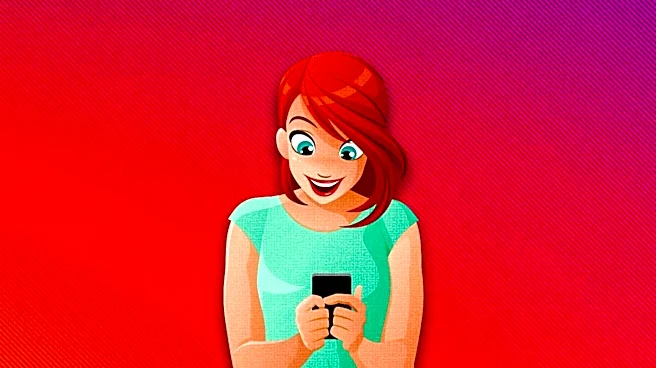
Experts are raising concerns about the impact of social media on Generation Z's mental health, as this generation navigates a constant stream of curated content showcasing both extreme highs and lows. The phenomenon of social comparison, driven by platforms
like TikTok and Instagram, is linked to poorer mental health outcomes among Gen Z. Studies indicate that a significant portion of this generation spends several hours daily on social media, leading to increased feelings of inadequacy and stress. The normalization of sharing personal and professional successes online has intensified the pressure on Gen Z to measure up to perceived standards of success.
Why It's Important?
The mental health challenges faced by Generation Z due to social media exposure have broader implications for society. As this generation becomes increasingly connected online, the pressure to compare oneself to others can lead to anxiety, depression, and a decline in overall well-being. The pervasive nature of social media means that these issues are not isolated but affect a significant portion of the population. Addressing these challenges is crucial for fostering a healthier digital environment and supporting the mental health of young people. Understanding the impact of social media on mental health can inform policies and interventions aimed at mitigating its negative effects.