






What's Happening?
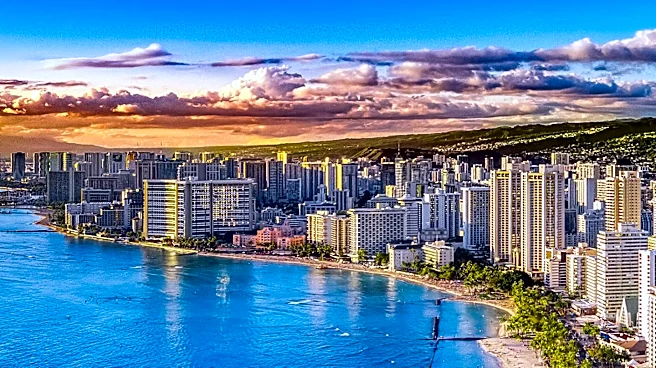
The state of Hawaii has designated several areas within Waikiki as economic opportunity zones, a move aimed at stimulating investment through federal tax breaks. This decision, made by Governor Josh Green's office, includes five census tracts in Waikiki among
the 25 selected statewide. These zones are intended to encourage investment in economically distressed areas by offering capital gains tax savings. While Waikiki is known for its tourism and luxury businesses, the designated areas north of Kalakaua Avenue are characterized by older residential buildings and hotels, as well as a significant population of retirees and service industry workers with lower incomes. Scott Glenn, Governor Green’s senior advisor for federal affairs, climate, and housing, stated that the initiative seeks to refresh aging hotel infrastructure and improve housing stock, benefiting both residents and the tourism sector. Other selected zones on Oahu include Iwilei, Chinatown, the North Shore, Wahiawa, Aiea, Moiliili, and Kalaeloa, a former U.S. Navy air station.
Why It's Important?
The designation of Waikiki as an economic opportunity zone carries significant implications for Hawaii's economy and urban development. By offering substantial tax incentives, the state aims to attract private capital for redevelopment projects, particularly in housing and tourism infrastructure. This could lead to a modernization of older properties, potentially enhancing Waikiki's appeal as a global tourist destination and improving living conditions for its diverse resident population. However, the program has faced criticism nationally for potentially benefiting wealthier neighborhoods and lacking sufficient guardrails to ensure investments directly aid low-income residents. The state's approach seeks to mitigate these concerns by exploring ways to direct investments toward desired projects, such as affordable housing. The success of this initiative could serve as a model for other regions grappling with aging infrastructure and the need for economic revitalization, while its challenges highlight the complexities of leveraging federal programs for targeted local development.
What's Next?
Hawaii plans to implement strategies to maximize the benefits of the opportunity zone program and steer investments toward state priorities, particularly housing. These strategies may include making it more attractive for investors to borrow money, aligning state and federal tax laws, and creating project portfolios to reduce individual investor risk. The state aims to increase its share of opportunity zone investments, as it lagged behind other states in the first round of the program. The designations last for a decade, providing a long-term window for development. Stakeholders, including local residents and business owners, will be closely watching to see if the investments lead to tangible improvements for the community, such as affordable housing options, or if they primarily benefit luxury developments. The state's ability to direct capital effectively will be crucial in determining the program's success in Waikiki and other designated zones.
Beyond the Headlines
The selection of Waikiki as an economic opportunity zone highlights a broader tension between economic development incentives and equitable community benefits. While the program aims to revitalize distressed areas, its design, which offers significant capital gains tax breaks, often attracts investors seeking high returns, potentially leading to luxury developments rather than affordable housing or small business support. This raises ethical questions about whether such programs truly serve the most vulnerable populations or primarily benefit wealthy investors and developers. The exclusion of economically struggling communities like Waianae, despite their eligibility, further underscores these concerns, suggesting that areas with existing market potential are often prioritized for investment. The long-term impact will depend on Hawaii's ability to implement innovative strategies that ensure investments align with community needs, fostering inclusive growth rather than exacerbating existing inequalities. This case could influence future policy discussions on how to design economic development programs that genuinely uplift all segments of a community.