




What's Happening?
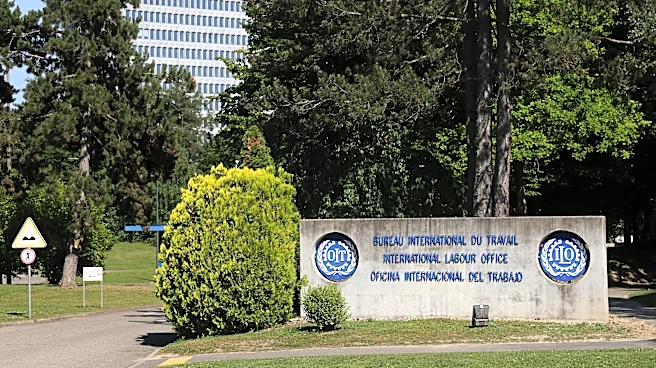
The World Customs Organization (WCO) Secretary General recently advocated for the adaptation of Authorized Economic Operator (AEO) programs to better include micro, small, and medium-sized enterprises (MSMEs). This call was made during a panel discussion
on AEO programs at the World Trade Organization's (WTO) 10th Global Review of Aid for Trade in Geneva. AEO schemes are designed to certify trusted traders, thereby easing customs clearance processes. However, smaller firms frequently encounter difficulties in meeting the qualification criteria for these programs. The WCO's initiative aims to extend the benefits of trade facilitation to a broader range of businesses globally. The 2025 WCO SAFE Framework of Standards now incorporates a new section specifically addressing MSME inclusion, and a collaborative study by the WCO, WTO, and International Chamber of Commerce (ICC) offers recommendations to overcome barriers faced by smaller businesses. India, Morocco, and the United States presented their respective AEO programs at the 43rd SAFE Working Group meeting in mid-October, further highlighting global efforts in this area.
Why It's Important?
The push by the World Customs Organization to make AEO programs more accessible to MSMEs is significant for global trade and economic development, including for U.S. businesses. By simplifying customs procedures for smaller firms, this initiative can reduce trade costs, enhance efficiency, and open up new international market opportunities for businesses that previously faced prohibitive barriers. For the U.S., this could mean increased participation of small and medium-sized exporters in global supply chains, fostering economic growth and job creation. MSMEs often struggle with the complexities and costs associated with international trade regulations, and their inclusion in AEO programs can level the playing field, allowing them to compete more effectively with larger corporations. This move also aligns with broader international efforts to promote inclusive trade and ensure that the benefits of globalization are shared more widely across different business sizes. The adaptation of these programs could lead to a more diversified and resilient global trading system, less reliant on a few large players.
What's Next?
Following the WCO Secretary General's call, the focus will likely shift towards the implementation and refinement of AEO programs to better accommodate MSMEs. Businesses, particularly smaller exporters, should review the updated 2025 WCO SAFE Framework of Standards, which now includes a dedicated section on MSME inclusion. National customs authorities, including those in the United States, are expected to further develop and promote their AEO programs to encourage participation from smaller firms. This may involve creating simplified application processes, providing targeted support, and offering training to help MSMEs meet the revised criteria. Continued collaboration between organizations like the WCO, WTO, and ICC will be crucial in sharing best practices and developing further recommendations. The success of these efforts will depend on the proactive engagement of national governments and customs agencies in adapting their existing frameworks and outreach strategies to effectively integrate MSMEs into the global trade facilitation ecosystem.
Beyond the Headlines
The WCO's initiative to include MSMEs in AEO programs extends beyond mere procedural adjustments; it represents a fundamental shift in how international trade facilitation is conceived. Historically, AEO programs were largely designed with the capabilities and resources of large multinational corporations in mind, inadvertently creating barriers for smaller entities. This new emphasis on MSME inclusion reflects a growing recognition of their collective economic power and their role in fostering innovation and employment. Ethically, it addresses concerns about equitable access to global markets, ensuring that the benefits of streamlined trade are not exclusively enjoyed by larger players. Legally, it may necessitate revisions in national customs laws and regulations to align with the updated WCO SAFE Framework, potentially leading to a more harmonized global approach to trade security and facilitation. Culturally, it could foster a more inclusive global business environment, encouraging entrepreneurship and cross-border collaboration among diverse enterprises.