






What's Happening?
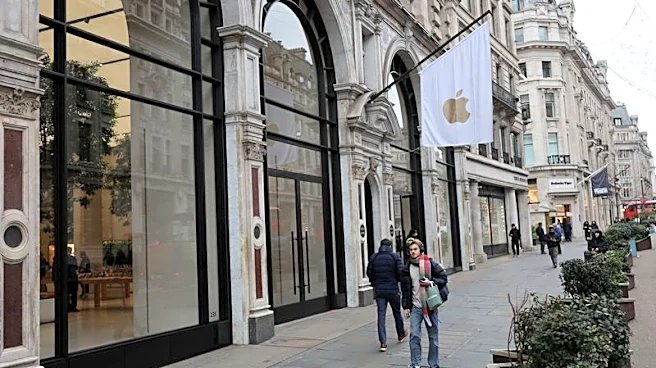
Elton John performed the inaugural concert at the newly opened Apple Music Hall in London. The event, which took place just days after Apple announced the venue, saw John open with his song 'Your Song.' Apple Music subscribers were able to watch the performance
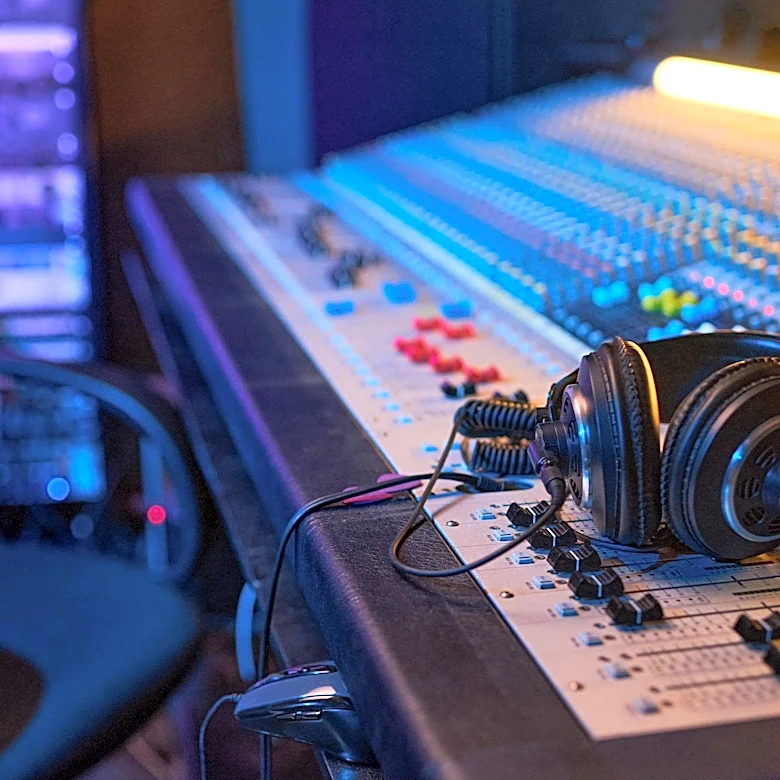
live. The Apple Music Hall, located within Battersea Power Station, is a 600-capacity venue designed for intimate live performances. It is equipped with a 38-foot stage, a 48-speaker Spatial Audio system, and dedicated recording and mixing studios, along with infrastructure for multicamera video production, enabling global streaming of events. Tickets for upcoming shows by artists like Baby Keem and Skye Newman were also made available.
Why It's Important?
The establishment of Apple Music Hall signifies Apple's deeper foray into the live music experience, integrating it with their streaming service. This move could reshape how artists connect with a global audience, offering a high-quality, intimate setting that can be simultaneously broadcast to millions of subscribers. For the music industry, it represents a potential new model for live performance and content distribution, blurring the lines between physical concerts and digital streaming. Artists gain a state-of-the-art platform for showcasing their work, while Apple Music subscribers receive exclusive access to premium content, potentially increasing the service's value proposition and subscriber retention. This initiative also positions Apple as a significant player in the physical music venue space, complementing its digital offerings.
What's Next?
Following Elton John's inaugural performance, Apple Music Hall is set to host a series of concerts featuring various artists, with tickets already on sale for upcoming shows. Apple Music subscribers will continue to have access to watch these performances live, reinforcing the venue's role as an exclusive content hub for the streaming service. The success of this model could lead to the expansion of similar venues or partnerships in other key music cities globally, further solidifying Apple's presence in the live music sector. The integration of advanced audio and video production capabilities suggests a future where high-quality, streamable live events become a standard offering for music platforms.
Beyond the Headlines
Apple Music Hall's design, with its focus on intimate performances and advanced streaming capabilities, highlights a broader trend in the entertainment industry: the convergence of live and digital experiences. This venue is not just a concert hall but a sophisticated production studio, capable of delivering high-fidelity audio and video content directly to a global audience. This approach could influence how artists plan tours and releases, potentially prioritizing exclusive, high-production-value streamed events. It also raises questions about the future of traditional concert venues and the role of technology in democratizing access to live music, making exclusive performances available to a wider, geographically dispersed audience through subscription models.