





What's Happening?
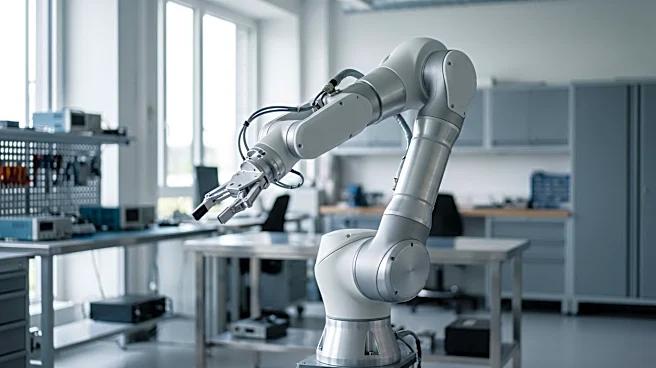
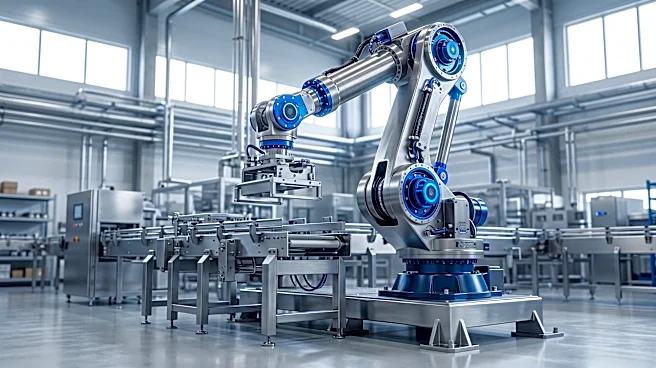
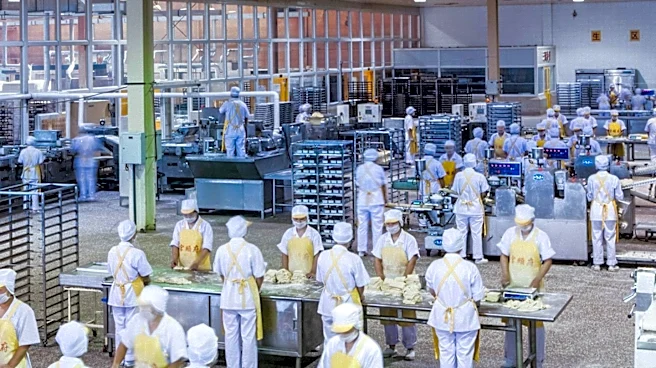
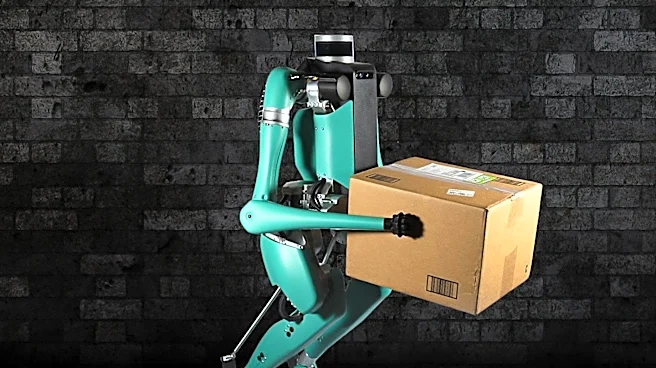
Harpak-ULMA Packaging, LLC has developed an advanced robotic loading platform designed to enhance hygienic food packaging. This system aims to tackle persistent labor shortages, rising operating costs, and the increasing demand for product and packaging variety
within the food manufacturing industry. The platform integrates robotic loading, vision technology, and Rockwell Automation controls to improve packaging flexibility, hygiene, and production efficiency. Unlike traditional custom engineering projects for each robotic application, Harpak-ULMA's approach uses a common, configurable architecture that can be adapted to specific products, packaging equipment, and available floor space. Key features include hygienic stainless-steel construction, 2D and 3D vision capabilities for product identification and inspection, and direct integration of robot motion into Rockwell Automation's PLC and Logix environment. This integration simplifies deployment, programming, and maintenance by allowing plant personnel to use familiar technologies, thereby reducing complexity and reliance on proprietary robot programming environments.
Why It's Important?
This development is significant for the U.S. food manufacturing sector, which faces considerable pressure from labor shortages and escalating operational expenses. By offering a more repeatable and adaptable automation solution, Harpak-ULMA's platform can help manufacturers maintain productivity and meet stringent production requirements. The hygienic design, featuring sloped, self-draining surfaces and accessible structural elements, addresses critical sanitation demands, reducing the risk of contamination and ensuring food safety. The use of 2D and 3D vision technology allows for precise product handling and inspection, accommodating variations in product size, shape, and orientation, which is crucial for high-speed packaging lines. Furthermore, the common controls architecture, based on Rockwell Automation, empowers existing plant engineering and maintenance teams to manage and troubleshoot the robotic systems, reducing the need for specialized external support and lowering long-term operational costs. This innovation can lead to more consistent production, fewer bottlenecks, and improved overall efficiency in food processing and packaging.
What's Next?
Harpak-ULMA plans to extend this robotic platform beyond food packaging to other applications such as medical devices, cartoning, and case packing. While the current focus is on a single-robot platform, future multi-robot configurations are planned to expand loading capacity by sharing infrastructure like PLCs, HMIs, and electrical enclosures. This will allow manufacturers to scale their automation efforts more efficiently. The company also aims to enhance machine-level intelligence, contextual diagnostics, and digital work instructions to further support operators in setup, troubleshooting, and recovery from interruptions. The long-term objective is to create packaging systems that combine mechanical flexibility with greater operational intelligence, enabling equipment to respond more intelligently to changing production conditions and demands. This evolution is expected to transform high-speed packaging operations, making them more adaptable and resilient to future manufacturing complexities.
Beyond the Headlines
The shift towards integrated robotic automation in food packaging, as exemplified by Harpak-ULMA's platform, highlights a broader trend in industrial manufacturing: the increasing reliance on smart technologies to overcome human labor constraints and enhance operational precision. This development has ethical implications regarding job displacement, as automation reduces the need for manual labor, potentially impacting employment in the manufacturing sector. However, it also creates new opportunities for skilled technicians in robotics and automation maintenance. Legally, the emphasis on hygienic design and advanced inspection capabilities could lead to stricter regulatory standards for food safety and quality, pushing other manufacturers to adopt similar technologies. Culturally, the integration of such advanced robotics could redefine the nature of work in factories, moving towards a more technology-driven environment where human roles involve oversight, programming, and maintenance rather than repetitive manual tasks. This represents a significant step towards a more automated and intelligent manufacturing ecosystem.