





What's Happening?
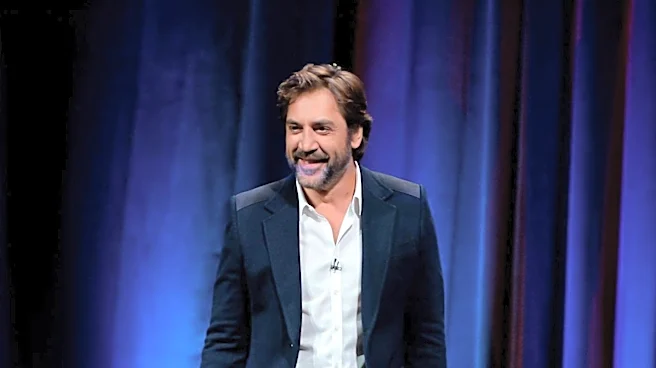
Javier Bardem, a renowned Spanish actor, made his theatrical debut on November 19, 2026, in the play '¡Chéjov, Chéjov!'. Directed by Juan Carlos Corazza, the production features Bardem alongside Alicia Borrachero, Manuela Velasco, Ben Temple, and Rafa
Castejón at Espacio Zafra. The play, which combines five pieces by the iconic Russian author Anton Chekhov, sees its protagonists transform into 18 different characters. All tickets for the run, scheduled until February 7, have been sold out for weeks. Bardem, who has achieved significant success in cinema with an Oscar, six Goya awards, a BAFTA, and a Golden Globe, expressed that his stage debut went "very well." His sister, Mónica Bardem, attended the premiere and expressed immense pride, noting her mother's happiness as well.
Why It's Important?
Javier Bardem's foray into theater marks a significant milestone in his illustrious career, demonstrating his versatility and commitment to exploring different artistic mediums. For the Spanish theater scene, his participation brings a heightened level of visibility and prestige, potentially attracting new audiences who follow his film work. This move could inspire other established film actors to venture onto the stage, enriching the theatrical landscape. The sold-out performances indicate a strong public interest, highlighting the enduring appeal of live theater, especially when a celebrated actor like Bardem is involved. His success in this new endeavor could also influence future collaborations between film and theater professionals, fostering a more integrated performing arts community.
What's Next?
The play '¡Chéjov, Chéjov!' is scheduled to run until February 7, with all current performances sold out. There is speculation about a potential extension of the run due to high demand, as suggested by Mónica Bardem. Following this theatrical engagement, it remains to be seen how Bardem will balance his newfound stage career with his ongoing film commitments. His successful debut could lead to more theater roles in the future, potentially in other countries, including the U.S., given his international recognition. The critical reception of the play and Bardem's performance will likely influence his subsequent artistic choices and could open doors for further collaborations with director Juan Carlos Corazza and other theater practitioners.
Beyond the Headlines
Bardem's decision to undertake a theatrical role at 57, after a highly successful film career, underscores a deeper artistic drive to challenge himself and explore new dimensions of his craft. This move transcends mere career progression; it reflects a dedication to the art of acting in its purest form, away from the often more commercial pressures of Hollywood. The intimate setting of Espacio Zafra and the ensemble nature of the play suggest a focus on artistic integrity over grand spectacle. This could set a precedent for other actors to prioritize artistic fulfillment and personal growth, potentially shifting perceptions within the entertainment industry about career longevity and the pursuit of diverse creative experiences.