






What's Happening?
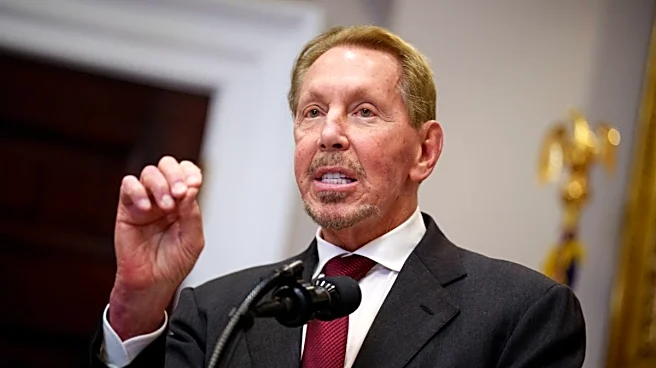
Larry Ellison, the founder of Oracle, has reversed his decision to sell up to 50 million shares of his company's stock, which would have amounted to approximately $7.5 billion at current prices. This cancellation occurred just one day after a regulatory
filing disclosed his trading plan, which was adopted on June 22 and set to conclude on October 24. According to a Saturday news release, no Oracle stock was sold under the 10b5-1 Plan, and Ellison currently has no other intentions to sell any of his shares. Ellison, 82, maintains control of over 40% of Oracle, the company he founded in 1977. Oracle has recently pivoted to become a significant player in artificial intelligence infrastructure, a move that has contributed to a substantial debt load and a roughly 23% drop in its stock value this year. Ellison is also involved in the media industry, having helped finance his son David Ellison's Skydance Media merger with Paramount and the proposed acquisition of Warner Bros. Discovery, which is currently facing antitrust challenges.
Why It's Important?
Larry Ellison's decision to halt the sale of such a significant block of Oracle stock sends a strong signal to investors and the market about his confidence in the company's future, particularly its strategic direction in artificial intelligence. A sale of this magnitude could have been interpreted as a lack of faith or a need for liquidity, potentially impacting Oracle's stock price and investor sentiment. His continued substantial ownership reinforces his long-term commitment to the company he built. The context of Oracle's recent pivot into AI infrastructure, coupled with its increased debt and stock decline, makes Ellison's decision particularly noteworthy, suggesting a belief that the company's AI investments will eventually yield positive returns. This move also indirectly affects the ongoing media consolidation efforts involving his son, as Ellison's financial stability and commitment to his primary venture could influence his capacity to support other ventures.
What's Next?
With Larry Ellison canceling his stock sale, the immediate pressure on Oracle's stock from a potential large insider sell-off is alleviated. Investors will likely interpret this as a positive sign of his continued belief in Oracle's long-term strategy, especially its focus on artificial intelligence. The company will continue its efforts to establish itself as a major player in AI infrastructure, aiming to demonstrate the value of its investments and reduce its debt load. The performance of Oracle's stock will largely depend on the success of its AI initiatives and its ability to manage its financial obligations. Ellison's continued financial backing and influence in the media sector, particularly regarding the Paramount-Warner Bros. Discovery merger, will also remain a point of interest, though his primary focus appears to be on Oracle's core business.
Beyond the Headlines
Ellison's abrupt reversal highlights the intricate dynamics of executive stock plans and their potential market impact. While 10b5-1 plans are designed to allow insiders to sell shares without accusations of insider trading, the public disclosure of such plans can still create market speculation. His decision to cancel suggests a re-evaluation of personal financial strategy or a desire to project unwavering confidence in Oracle during a critical transitional period for the company. This event also underscores the broader trend of tech giants heavily investing in AI, often incurring significant debt in the process, and the market's scrutiny of these strategic shifts. Ellison's dual role as a tech titan and a financier in the entertainment industry further illustrates the increasing convergence of capital and influence across diverse sectors, where the decisions of a few powerful individuals can have far-reaching implications.