




What's Happening?
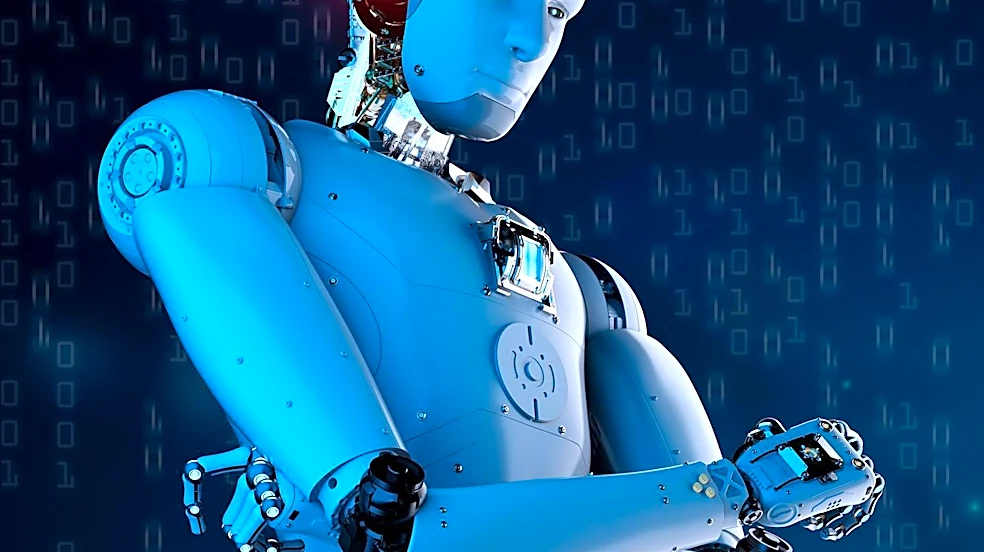
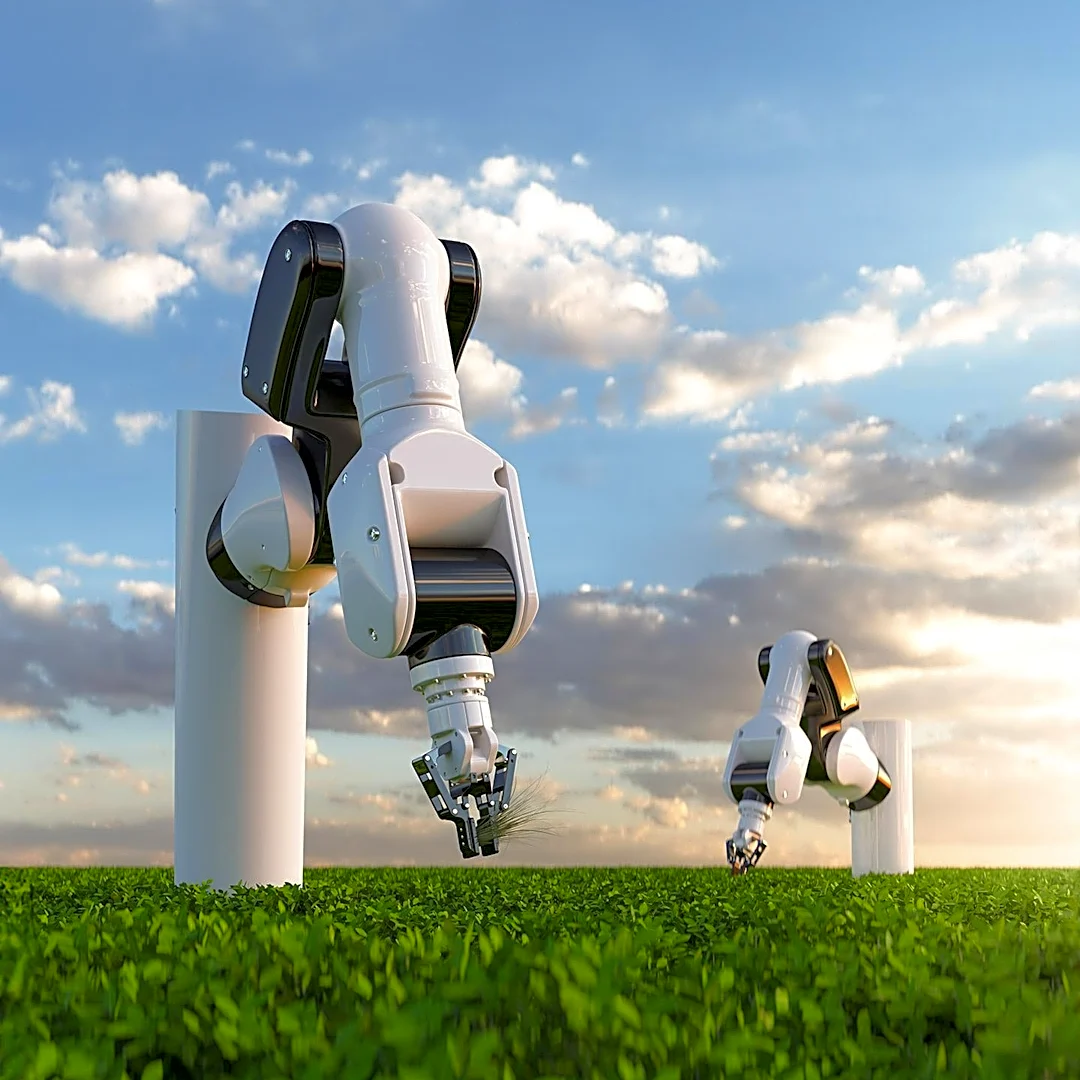
Amulya Vishwanath, a former product marketing lead for NVIDIA’s robotics platforms and now founder and managing partner of Techable VC, describes the current state of robotics as its 'Lego era.' She argues that fundamental building blocks such as actuators,
robotic hands, software, and safety standards are still under development and being rebuilt. This perspective contrasts with the view held by some, like General Intuition CEO Pim de Witte, who anticipate a rapid 'ChatGPT moment' for robotics driven by a single general foundation model. Vishwanath, one of the first women executives to launch an early-stage firm investing in physical AI across robotics, materials science, and life sciences, shared her insights on TechCrunch’s Equity podcast. Her firm, Techable VC, focuses on writing first checks into these emerging areas.
Why It's Important?
Vishwanath's assessment of robotics being in a 'Lego era' is crucial for understanding the current investment landscape and developmental trajectory of physical AI. It suggests that while there is significant excitement around AI, the foundational infrastructure for advanced robotics is still maturing. This perspective can guide investors and entrepreneurs in focusing on the underlying components and standards necessary for robust and scalable robotic systems, rather than solely chasing a singular 'ChatGPT moment.' For the U.S. economy, this implies that sustained investment in basic research and development for robotics hardware and software will be critical for long-term growth and competitiveness. It also highlights the importance of specialized venture capital firms like Techable VC, which are dedicated to nurturing these foundational technologies, potentially leading to significant breakthroughs in manufacturing, logistics, and other industries.
What's Next?
The 'Lego era' perspective suggests that the immediate future of robotics will involve continued development and refinement of individual components and standards. This will likely include advancements in robotic hardware, more sophisticated software for control and perception, and the establishment of robust safety protocols. Investment will probably flow into companies addressing these foundational challenges, rather than solely into those promising immediate, generalized AI solutions for robotics. Over time, as these building blocks become more standardized and integrated, the industry may indeed approach a 'ChatGPT moment' where a general foundation model can significantly accelerate robotics capabilities. However, the current focus remains on incremental, yet essential, progress in physical AI, with venture capitalists like Vishwanath playing a key role in identifying and funding these foundational innovations.
Beyond the Headlines
The debate between a 'Lego era' and a 'ChatGPT moment' for robotics touches upon a fundamental tension in technological development: whether progress is primarily incremental or punctuated by sudden, transformative breakthroughs. Vishwanath's view emphasizes the complex, multidisciplinary nature of robotics, which requires not just advanced AI algorithms but also sophisticated mechanical engineering, materials science, and robust safety frameworks. This holistic approach is vital for creating reliable and safe physical AI systems that can operate in real-world environments. The ethical implications of autonomous robots, particularly concerning safety and human interaction, are also implicitly highlighted by the need for robust standards. The long-term societal impact of robotics will depend on how effectively these foundational challenges are addressed, ensuring that technological advancement is coupled with responsible development and deployment.