






What's Happening?
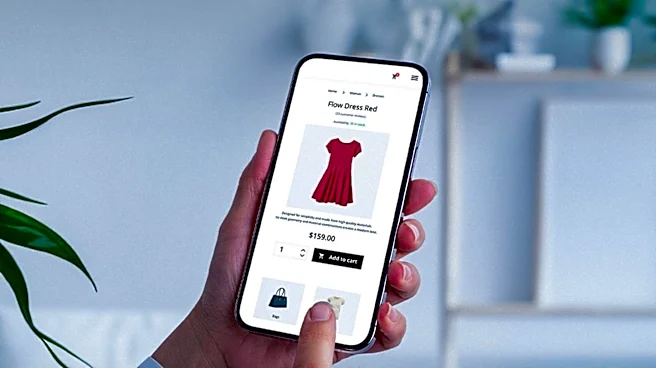
YouTube has introduced a personalized product recommendation shelf within the Shopping hub of YouTube Studio, designed to suggest affiliate products to eligible creators. This feature, which went live on November 6, 2026, provides creators with a list
of items to tag in their videos, complete with estimated commission rates. The platform expanded its Shopping affiliate program in March 2026, lowering the subscriber threshold for eligibility to 500 across 12 markets, with plans to extend to 35 countries by the end of the year. This move significantly increases the number of creators who can participate in recommendation-driven product suggestions. The recommendation engine bases its suggestions on a channel's past content, audience engagement, and niche trends. This new system aims to streamline the product tagging process for creators and enhance the visibility of products for brands.
Why It's Important?
This development is significant for U.S. businesses and creators operating within the YouTube ecosystem. For brands, product visibility will increasingly depend on how well their offerings align with YouTube's recommendation algorithm, rather than solely on creators' independent discovery. The integration with Amazon, which went live on August 27, 2026, means Amazon's extensive catalog is now the largest single inventory pool eligible for these recommendations, intensifying competition for other brands. Creators, particularly those with 500 subscribers or more, gain a new tool to identify potentially lucrative affiliate products, simplifying their monetization efforts. YouTube's internal research indicates that Shopping tags drive over twice as many clicks as description links, suggesting this feature could substantially boost conversion rates for both creators and brands. The shift positions YouTube as an active matchmaker between creators and products, influencing purchasing behavior on a large scale.
What's Next?
YouTube plans to expand its Shopping affiliate program to 35 countries by the end of 2026, further broadening the reach of this new recommendation system. Brands will need to adapt their strategies by optimizing product metadata to ensure their products are accurately matched by the algorithm. Monitoring which creators organically tag their products will provide valuable insights into the algorithm's effectiveness and help refine product positioning. Additionally, brands may consider using custom commission campaigns with elevated rates during key periods to increase their products' algorithmic priority. While the feature is live, YouTube's Help Center page on the affiliate program has not yet been updated to reflect the recommendation shelf, indicating it is in early rollout. The platform has not disclosed the specific signals or weighting used by the recommendation algorithm, leaving brands and creators to infer optimal strategies.
Beyond the Headlines
This strategic move by YouTube reflects a broader trend in social commerce, mirroring models seen on platforms like TikTok Shop, where algorithmic tools increasingly mediate product discovery for affiliate creators. The implication is a shift from creator-led product selection to platform-curated recommendations, potentially standardizing and optimizing the affiliate marketing process. This raises questions about algorithmic transparency and fairness, as brands will need to understand how to influence a system whose ranking logic is not publicly disclosed. The ethical dimension involves the potential for algorithmic bias in product promotion and the impact on smaller brands that may struggle to compete with larger entities like Amazon within this new framework. Ultimately, this development signifies YouTube's deeper integration into the e-commerce landscape, transforming it into a more active participant in the transaction process rather than just a content hosting platform.