



What's Happening?
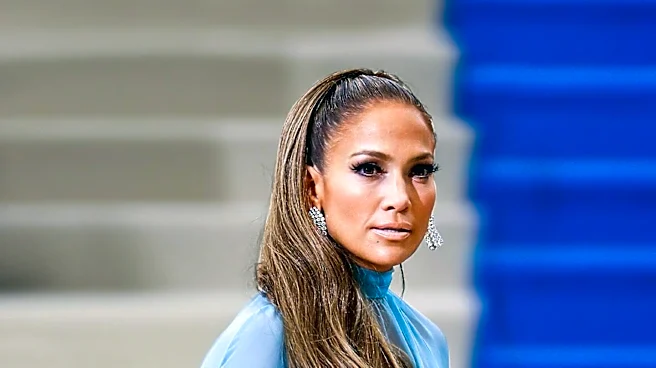
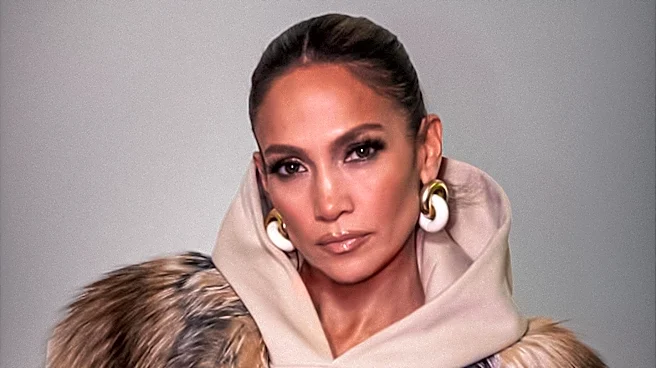
During a recent episode of 'The Megyn Kelly Show,' Megyn Kelly strongly criticized Jennifer Lopez for suggesting that racial bias limited her acting opportunities in Hollywood. Kelly argued that Lopez's career trajectory was more attributable to her box-office
performance, highly publicized relationships, and alleged demanding behavior behind the scenes, rather than discrimination. Kelly specifically pointed to Lopez's 2003 film 'Gigli' as a turning point after earlier commercial successes. Kelly questioned Lopez's acting and singing abilities, labeling her as 'at best a B-list talent' and 'kind of a crappy actress,' comparing her unfavorably to Meryl Streep. Kelly also highlighted the careers of Dwayne 'The Rock' Johnson and Denzel Washington as counterexamples to Lopez's claims, noting that Washington, whose skin is darker, achieved greater fame. Lopez had previously stated in a Popcast appearance that she wasn't inundated with scripts because she wasn't a 'typical kind of, like, to be honest, like, white actress,' and that her extensive romantic comedy roles were a consequence of available opportunities.
Why It's Important?
This exchange highlights a broader cultural debate in the entertainment industry regarding the role of race and talent in career advancement. Megyn Kelly's comments challenge the narrative of systemic racial bias as a primary impediment for successful minority artists, suggesting that individual performance and market factors are more significant. This perspective can resonate with audiences who believe in meritocracy and may view claims of discrimination from highly successful individuals with skepticism. Conversely, Lopez's statements reflect a common sentiment among minority artists who feel their opportunities are limited by industry biases, regardless of their individual achievements. The public discourse generated by such disagreements can influence perceptions of diversity initiatives in Hollywood and spark further conversations about equity and representation in media.
What's Next?
The public discussion surrounding Jennifer Lopez's comments and Megyn Kelly's rebuttal is likely to continue within entertainment news cycles and on social media platforms. Other commentators and public figures may weigh in, either supporting Lopez's perspective on racial bias in Hollywood or aligning with Kelly's view that individual performance is the primary determinant of success. This debate could prompt further introspection within the entertainment industry regarding its hiring practices and the types of roles offered to actors of diverse backgrounds. It may also lead to more artists sharing their experiences, contributing to an ongoing dialogue about systemic issues versus individual accountability in career development. The differing viewpoints underscore a persistent tension in how success and opportunity are perceived and explained in a diverse society.
Beyond the Headlines
This controversy delves into the complex interplay between individual achievement, perceived systemic barriers, and public perception. It raises questions about how society evaluates the success of minority figures and whether their achievements are seen as overcoming obstacles or as evidence that such obstacles are overstated. The debate also touches on the responsibility of public figures to acknowledge their privilege while discussing challenges. Kelly's argument that Lopez's wealth and success undermine her claims of discrimination highlights a common critique against affluent individuals who speak on social injustices. This dynamic can create a divide in public opinion, where some view such claims as disingenuous, while others see them as valid expressions of lived experience, regardless of economic status. The discussion ultimately reflects deeper societal disagreements about the nature of systemic inequality and individual agency.