








What's Happening?
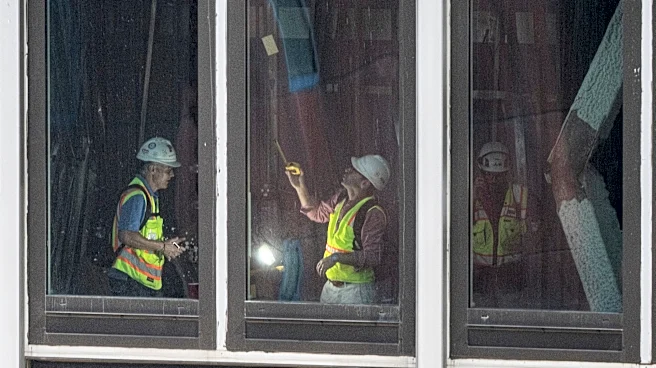
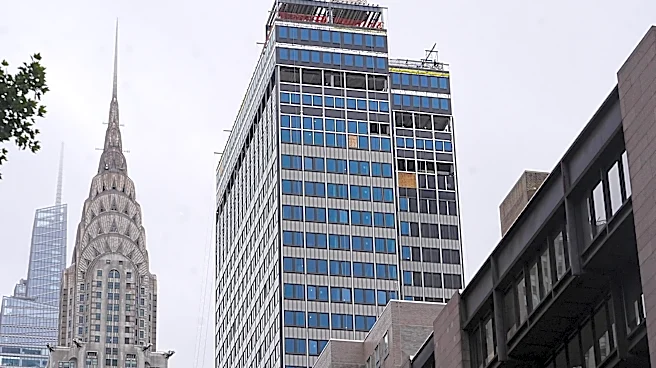
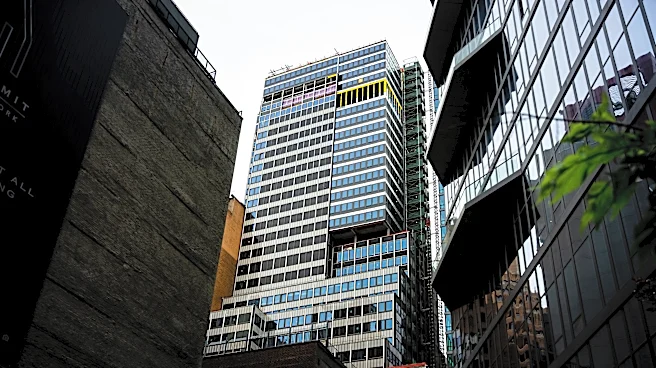
The former Pfizer headquarters in Manhattan experienced a structural scare when two steel columns buckled, halting work on a major office-to-apartment conversion project. This incident has raised concerns about the engineering complexities involved in such
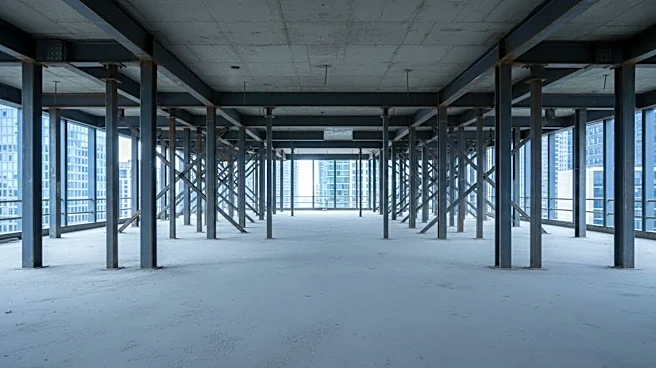
adaptive reuse projects, which aim to address housing shortages by converting underused office spaces into residential units. The project involves adding new stories to existing structures, a process that requires careful engineering to ensure safety. Temporary supports have been installed as investigations continue into the cause of the buckling, which is suspected to be due to the added load from the new construction.
Why It's Important?
This incident underscores the challenges and risks associated with converting office buildings into residential spaces, a strategy increasingly adopted to alleviate housing shortages in urban areas. The structural issues at the former Pfizer building could prompt a reevaluation of similar projects, potentially affecting timelines and costs. Successful conversions are crucial for revitalizing business districts and increasing housing supply, but they require meticulous planning and execution. The situation highlights the need for robust building codes and experienced engineering oversight to prevent such failures.
What's Next?
The construction industry and city officials will likely review ongoing and planned office-to-residential conversion projects to ensure similar issues do not arise. The outcome of the investigation into the structural failure will inform future projects and may lead to changes in building codes or construction practices. Developers and engineers will need to balance the demand for housing with the technical challenges of adapting older buildings for new uses.