





What's Happening?
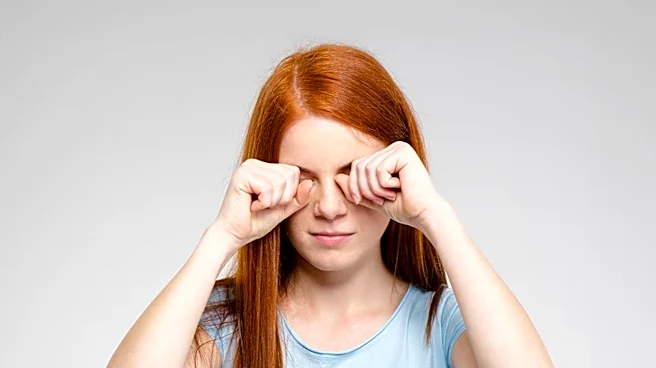
Dry eyes are a chronic and increasingly common condition among women, particularly during perimenopause and beyond, with research indicating that approximately half of all women in menopausal transition years experience symptoms. Optometrist Lauren Gormley
from Johns Hopkins University School of Medicine notes that the rate of dry eye in women over 50 is double that of men in the same age group, and prevalence increases with age. The condition primarily stems from issues with the meibomian glands in the eyelids, which produce oil to prevent tears from evaporating too quickly. As women age and enter menopause, declining levels of sex hormones, especially androgens, impair these glands' ability to produce sufficient, high-quality oil, leading to faster tear evaporation and ocular surface inflammation. Shifts in estrogen levels also likely contribute, though more research is needed.
Why It's Important?
The high prevalence of dry eyes in menopausal women significantly impacts their quality of life, affecting daily activities such as reading, driving, and work functionality. Beyond discomfort, ignoring dry eye symptoms can lead to serious complications, including blurry vision, increased risk of corneal infection, and scarring, as highlighted by ophthalmologist Preeya Gupta. This condition underscores the broader health implications of hormonal changes during menopause, which often go unaddressed or are misdiagnosed. Recognizing the hormonal link is crucial for effective diagnosis and treatment, allowing healthcare providers to offer targeted interventions that can substantially improve patients' well-being and prevent long-term eye damage. It also emphasizes the need for greater awareness and research into women's health issues related to aging.
What's Next?
Women experiencing symptoms like irritation, fluctuating vision, or redness are advised to consult an eye care doctor for diagnosis and treatment. While there is no cure for dry eyes, a range of treatments is available, including at-home remedies like warm compresses and over-the-counter eye drops, prescription medications, and in-office procedures to improve oil gland function. Lifestyle adjustments, such as reducing screen time, taking breaks from screens, and consuming omega-3 rich foods like salmon and flaxseeds, are also recommended. Healthcare providers will often engage in 'detective work' to identify contributing factors and find the most effective combination of treatments for individual patients. Continued research into the hormonal mechanisms and new therapeutic approaches is expected to further enhance management strategies for this chronic condition.
Beyond the Headlines
The widespread issue of dry eyes in menopausal women highlights a broader systemic gap in understanding and addressing women's health beyond reproductive years. Often, symptoms related to hormonal shifts during menopause are dismissed or attributed to other causes, leading to delayed diagnosis and treatment. This specific condition serves as a microcosm of how hormonal changes can have pervasive effects on various bodily systems, emphasizing the need for a more holistic and gender-specific approach to healthcare. It also points to the societal implications of an aging female population, where chronic conditions like dry eyes can diminish productivity and overall well-being, underscoring the economic and social value of investing in comprehensive menopausal health research and care. Addressing such conditions not only improves individual lives but also contributes to a healthier, more functional society.