






What's Happening?
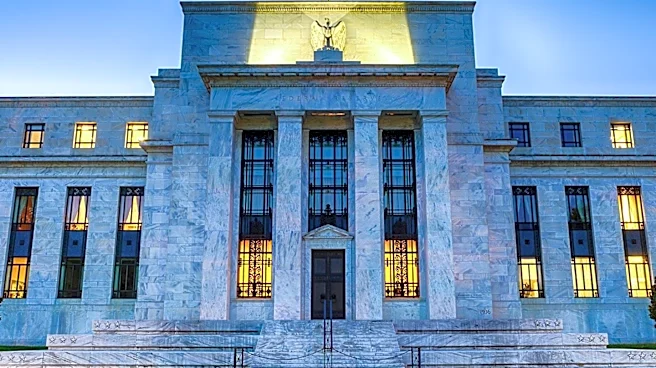
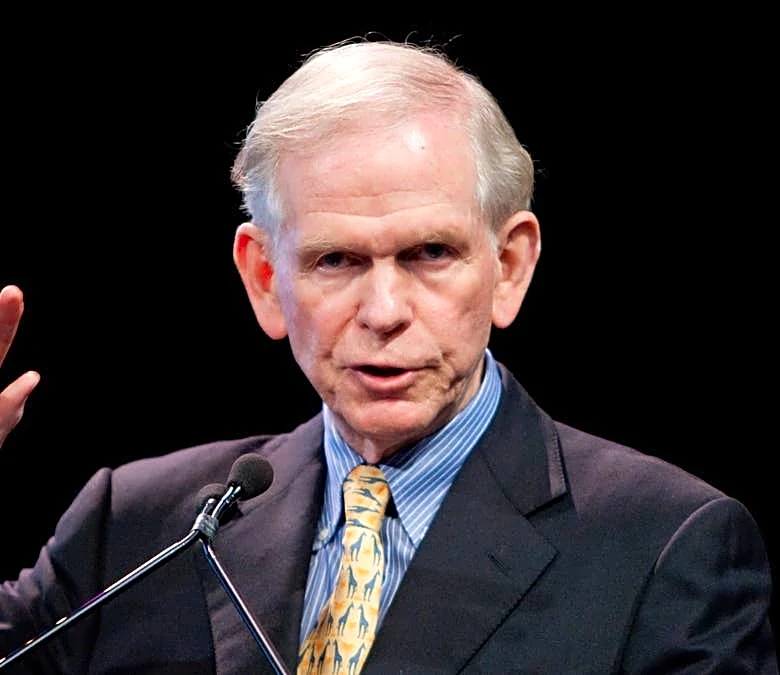
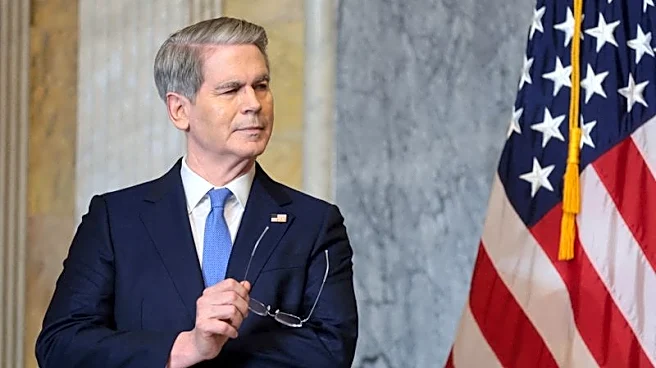
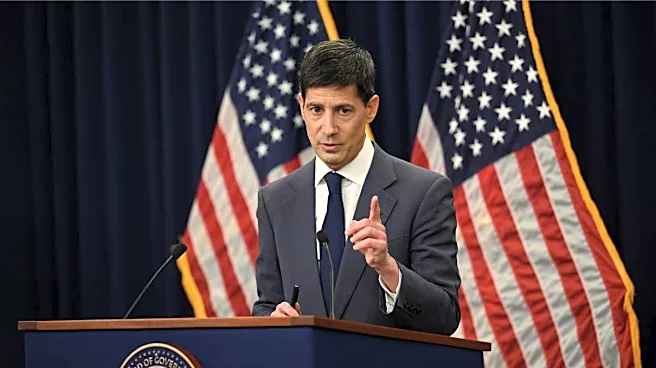
Federal Reserve Chairman Kevin Warsh has appointed two internal economists, Daniel Covitz and Eric Engstrom, to key advisory positions. This move is part of Warsh's broader strategy to reshape the central bank's approach to economic and monetary policy.
Covitz and Engstrom, both seasoned Fed employees, will serve in these roles on a rotating basis while maintaining their current positions. This decision follows Warsh's recent announcement of five task forces aimed at addressing various aspects of the Fed's operations, including communication, data, inflation, technology, and the balance sheet. Warsh's strategy emphasizes leveraging internal expertise to guide the Fed's future direction.
Why It's Important?
The appointments of Covitz and Engstrom highlight Warsh's reliance on internal expertise to navigate the Fed's future challenges. This approach may influence the Fed's policy-making process, potentially affecting economic indicators such as inflation and interest rates. By focusing on internal resources, Warsh aims to ensure continuity and stability within the Fed, which could impact financial markets and economic stakeholders. The emphasis on internal appointments suggests a cautious approach to policy changes, which may reassure investors and financial institutions about the Fed's commitment to maintaining economic stability.
What's Next?
As Warsh continues to implement his vision for the Fed, the newly appointed advisors will likely play a crucial role in shaping policy decisions. The task forces announced by Warsh will begin their work, potentially leading to significant changes in how the Fed operates. Stakeholders, including financial institutions and policymakers, will be closely monitoring these developments to assess their impact on the economy. The Fed's future actions, guided by these internal advisors, could influence interest rates, inflation, and overall economic growth.