








What's Happening?
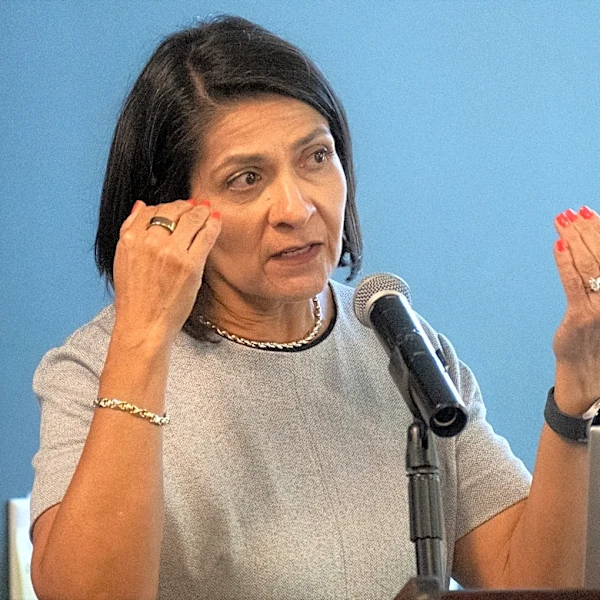
Dr. Ann Hester, a double board-certified physician in Internal Medicine and Lifestyle Medicine, has introduced two new resources aimed at broadening public understanding and application of Lifestyle Medicine. These resources include a new book titled
'Lifestyle Medicine: A Scientifically Proven Path to Prevent, Treat, or Reverse Chronic Disease,' now available on Amazon, and a suite of AI-powered health coaching apps. The apps, accessible at studio.com/coach-dr-ann, offer interactive education on various health topics such as blood pressure, blood sugar, weight management, gut health, stress, and hormone health. Dr. Hester emphasizes that while people are often told to improve diet, exercise, sleep, and stress, Lifestyle Medicine delves deeper into how everyday choices impact the body. The book combines scientific information with patient stories, humor, and practical strategies, while the apps provide interactive engagement with evidence-based health information. These tools are designed as educational resources and are not intended to diagnose diseases or replace individualized medical care.
Why It's Important?
The launch of Dr. Ann Hester's book and AI-powered health coaching apps is significant for U.S. healthcare as it aims to democratize access to evidence-based Lifestyle Medicine. With millions of Americans living with chronic conditions like high blood pressure, diabetes, and obesity, there's a critical need for accessible information on preventive and reversal strategies. Lifestyle Medicine, though gaining recognition within mainstream medicine and supported by the American Medical Association for physician education, remains relatively unknown to the general public. By providing consumer-friendly resources, Dr. Hester is empowering individuals to understand the physiological impact of their daily choices, potentially leading to better health outcomes and reduced reliance on traditional medical interventions for chronic diseases. This initiative could foster a more proactive approach to health management, shifting focus from treatment to prevention and lifestyle-based interventions, which could have long-term positive impacts on public health and healthcare costs.
What's Next?
The immediate next steps involve the continued promotion and adoption of Dr. Ann Hester's book and AI health coaching apps. As these resources gain traction, they could influence how individuals approach their health and engage with healthcare professionals. Increased public awareness of Lifestyle Medicine, facilitated by these tools, may lead to a greater demand for lifestyle-based interventions within the healthcare system. This could encourage more physicians to pursue board certification in Lifestyle Medicine and integrate its principles into their practice. Furthermore, the success of these AI-powered educational apps might inspire the development of similar platforms, expanding the landscape of digital health coaching. Dr. Hester's continued media appearances and educational efforts will likely play a crucial role in disseminating this information and encouraging a broader shift towards proactive health management.
Beyond the Headlines
Beyond the immediate impact, Dr. Hester's initiative highlights a broader trend towards personalized and accessible health education, driven by technological advancements like AI. The ethical implications of AI in healthcare, particularly in providing health coaching, are paramount. While these apps are educational and not diagnostic, the line between guidance and medical advice can sometimes blur for users. This raises questions about the responsibility of AI developers and medical professionals in ensuring accurate, safe, and non-misleading information. Furthermore, the emphasis on Lifestyle Medicine could contribute to a cultural shift in how Americans perceive health and disease, moving away from a purely reactive, symptom-treatment model towards a more holistic, preventive approach. This could empower individuals to take greater ownership of their health, potentially reducing the burden on the healthcare system and fostering a more health-conscious society.