




What's Happening?
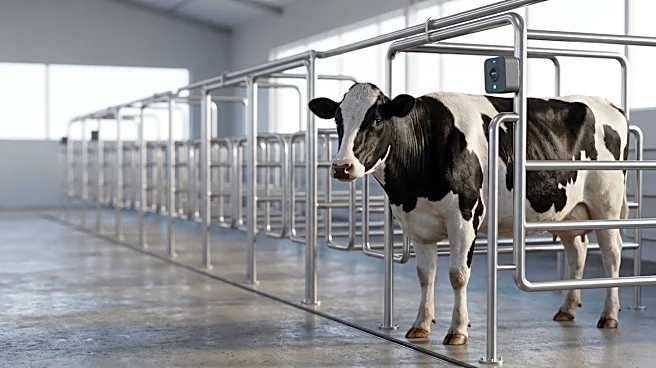
Artificial Intelligence (AI) is increasingly being integrated into agriculture to enhance livestock welfare and productivity, as well as optimize crop management. Cameras in barns and pastures are now tracking animal movement, feeding behavior, and health
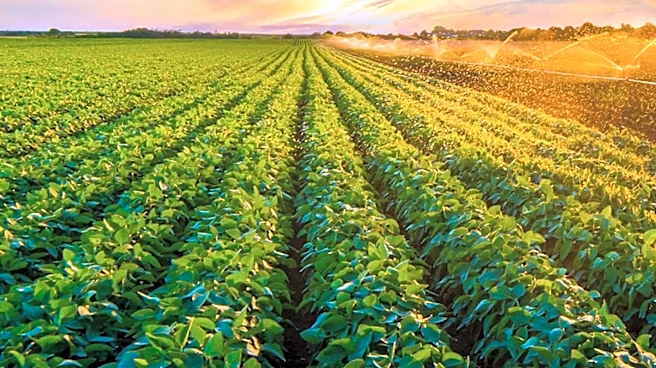
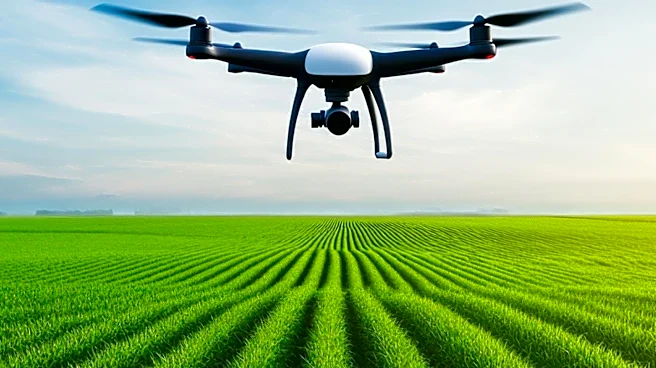
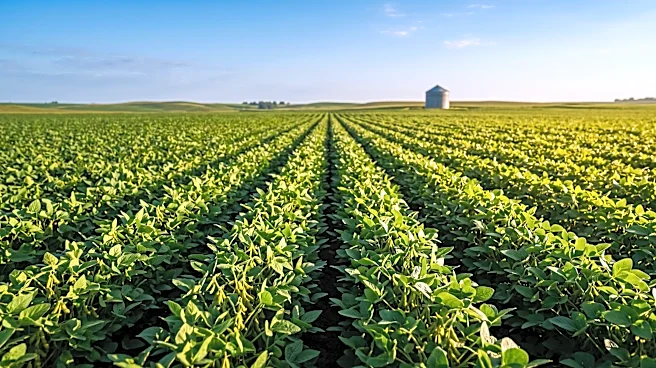
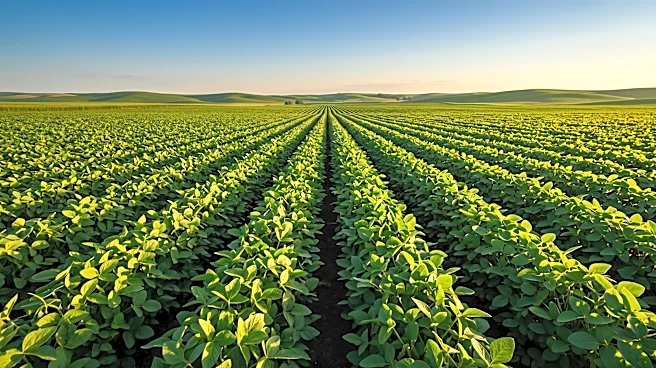
indicators, providing continuous data streams to farmers. For instance, in a Danish pork operation, AI systems analyze coughing patterns and activity levels to detect early signs of respiratory disease, facilitating quicker treatment and reducing antibiotic use. Beyond livestock, AI, particularly computer vision technology, is being deployed on drones, ground vehicles, and stationary cameras to scan fields, identify individual plants, and detect early signs of stress, disease, or pest infestations. This allows for precise interventions, such as targeted herbicide application, which has shown to reduce usage by up to 90% in some crops. Investment in AI-driven agricultural tools is rapidly growing, with venture capital and corporate partnerships driving innovation. Governments and development agencies are also incorporating AI into national strategies for digital agriculture and climate adaptation, recognizing its potential to reconcile productivity with sustainability.
Why It's Important?
The integration of AI into U.S. agriculture holds significant importance for several reasons. Firstly, it addresses the critical challenge of feeding a growing global population amidst resource constraints and unpredictable weather patterns, offering a pathway to increased efficiency and sustainability. By optimizing feed rations, improving breeding decisions, and enhancing overall herd health through continuous monitoring, AI can lead to more productive and resilient livestock operations. Secondly, precision agriculture, powered by AI, enables farmers to move from reactive to proactive management, reducing losses from disease, pests, and environmental stressors. This can lead to substantial cost savings for farmers through reduced use of water, fertilizer, and pesticides, while also minimizing environmental impact. Thirdly, the accelerating investment in AI-driven agricultural tools signals a transformative shift in the industry, creating new opportunities for technology companies and agricultural businesses. This innovation can bolster the U.S. agricultural sector's competitiveness and contribute to national food security. Finally, the focus on sustainability and climate adaptation through AI aligns with broader environmental goals, potentially leading to policies and practices that reduce nutrient runoff and protect biodiversity.
What's Next?
The future of AI in agriculture is expected to be characterized by continued collaboration among technologists, farmers, and researchers to develop intuitive and interoperable tools. As machine learning models become more sophisticated and edge computing brings greater processing power directly to the field, the distinction between decision support and autonomous action will likely blur further. This could lead to more advanced automated systems for planting, harvesting, and livestock care. There will be an ongoing effort to address challenges such as data quality, connectivity in rural areas, and ensuring equitable access to these technologies for smaller, resource-constrained farms. Furthermore, concerns around the transparency of AI models and their decision-making processes will need to be addressed to build trust among users. The ethical dimensions of food production, including the responsible use of AI, will remain a constant consideration. Governments and international bodies are likely to continue developing national strategies and research initiatives to integrate AI into agricultural policies, focusing on both productivity and environmental goals.
Beyond the Headlines
The widespread adoption of AI in agriculture carries deeper implications beyond immediate efficiency gains. Ethically, the continuous monitoring of livestock raises questions about animal privacy and the potential for over-surveillance, necessitating careful consideration of welfare standards in AI system design. The reliance on AI for critical agricultural decisions also introduces new legal and regulatory challenges, particularly concerning accountability in cases of system failure or misjudgment. Culturally, the shift towards AI-driven farming could alter the traditional roles and skills required of agricultural workers, potentially leading to a demand for new technical expertise and a redefinition of farming practices. There's also the long-term societal impact of increased automation on rural employment and community structures. Moreover, the concentration of AI technology development and ownership could lead to power imbalances within the agricultural industry, potentially favoring larger corporations over small independent farms. Ensuring that these powerful tools are developed and deployed equitably, with robust ethical guidelines and regulatory frameworks, will be crucial to realizing their full potential while mitigating unintended consequences for society and the environment.