








What's Happening?
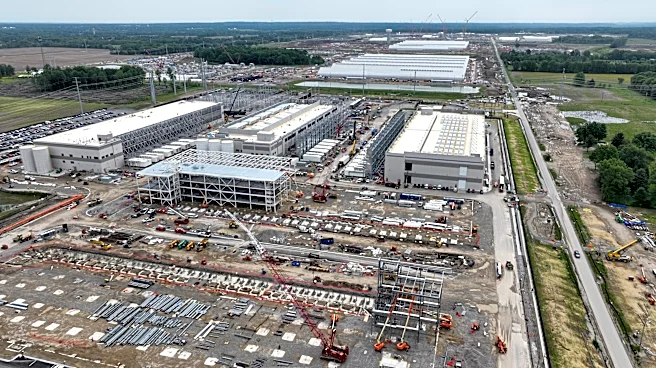
U.S. Senator Kevin Cramer (R-N.D.) has labeled opponents of data centers as 'uninformed,' suggesting a lack of understanding regarding the economic benefits these facilities bring. This statement comes amidst growing public unpopularity of data centers,
particularly in North Dakota, where local communities express concerns about their energy consumption, water usage, and noise pollution. Senator Cramer's stance aligns with a broader narrative from some Republican figures who argue that rejecting data centers could lead to economic stagnation for rural areas. The debate is intensifying as the midterm elections approach, with the economic impact of such developments becoming a key talking point.
Why It's Important?
The controversy surrounding data centers, as highlighted by Senator Cramer's comments, reflects a significant tension between technological advancement, economic development, and local community concerns. Data centers are crucial infrastructure for the digital economy, supporting everything from cloud computing to artificial intelligence. However, their substantial demands for electricity and water, coupled with potential noise and visual impacts, often lead to local opposition. This issue is becoming a national concern, influencing midterm elections as politicians grapple with how to balance economic growth with environmental and community well-being. The framing of opponents as 'uninformed' by a U.S. Senator can further polarize the debate, making it harder to find common ground and address legitimate community fears.
What's Next?
The debate over data centers is expected to continue, particularly as it becomes a more prominent issue in the upcoming midterm elections. Local communities and environmental groups will likely persist in raising concerns about the environmental footprint and local benefits of these facilities. Political figures, including Senator Cramer, will likely continue to advocate for data center development, emphasizing their economic advantages. The outcome of this debate could influence future zoning laws, environmental regulations, and economic development strategies at both state and federal levels. Public opinion, which currently shows significant opposition to data centers, will play a crucial role in shaping policy decisions and the political landscape.
Beyond the Headlines
The discussion around data centers extends beyond immediate economic and environmental impacts to touch upon deeper societal anxieties, including distrust of large technology corporations and concerns about the rapid pace of technological change. The characterization of opponents as 'uninformed' by political leaders can be seen as an attempt to dismiss valid community concerns, potentially eroding public trust in political processes and corporate assurances. This dynamic underscores a growing divide between those who champion technological progress at all costs and those who prioritize local control, environmental sustainability, and community quality of life. The long-term implications could include increased grassroots activism, more stringent local regulations, and a re-evaluation of how large-scale infrastructure projects are integrated into communities.