



What's Happening?
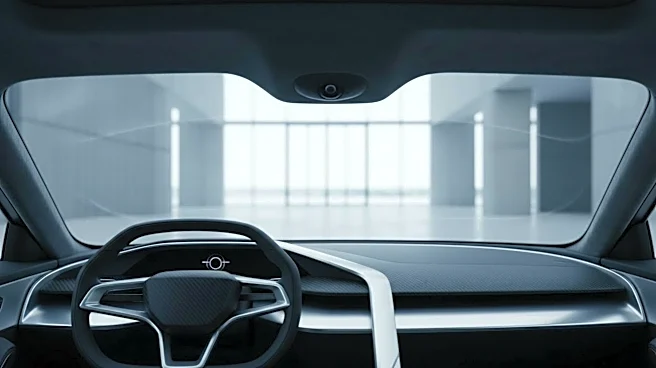
Tesla is reportedly working on a new security feature for its Full Self-Driving (FSD) system that would use the cabin camera to verify the identity of the driver before allowing FSD to activate. This development was highlighted by @SawyerMerritt, who
noted that the system would cross-reference the driver's face against a stored profile. If the system cannot confirm a match, FSD will be blocked, and a failure message will appear in the Tesla app. This feature is part of Tesla's ongoing efforts to enhance the capabilities of its cabin camera, which has recently seen improvements in eye-gaze tracking and performance in low-light conditions. The identity verification system aims to tie FSD access to specific driver profiles, potentially enabling parental controls, fleet management restrictions, and preventing unauthorized use. While the feature is not yet live, it is seen as a near-term addition to Tesla's safety measures.
Why It's Important?
The introduction of driver identity verification in Tesla's FSD system represents a significant step forward in automotive security. By ensuring that only authorized users can engage the FSD, Tesla is addressing potential safety and liability concerns associated with autonomous driving technology. This move could enhance consumer trust in Tesla's self-driving capabilities and set a precedent for other automakers to follow. The feature also aligns with broader trends in biometric authentication, which is increasingly being adopted across various industries to enhance security. For Tesla, this development could strengthen its market position by offering a more secure and personalized driving experience, potentially attracting more customers and reducing the risk of misuse.
What's Next?
As Tesla continues to develop this feature, it is likely to undergo rigorous testing before being rolled out to the public. The company may also seek feedback from early adopters to refine the system. Regulatory bodies could take an interest in this development, as it touches on privacy and security issues related to biometric data. Tesla's approach to processing cabin camera data entirely onboard, with data sharing only occurring during safety-critical events, may help address some privacy concerns. Other automakers may watch Tesla's progress closely and consider implementing similar technologies in their vehicles.