





What's Happening?
Avalanche Energy, a developer of compact fusion energy machines, has announced plans to establish a manufacturing facility in the Tri-Cities area of Washington state. This initiative is projected to create hundreds of permanent jobs and further solidify
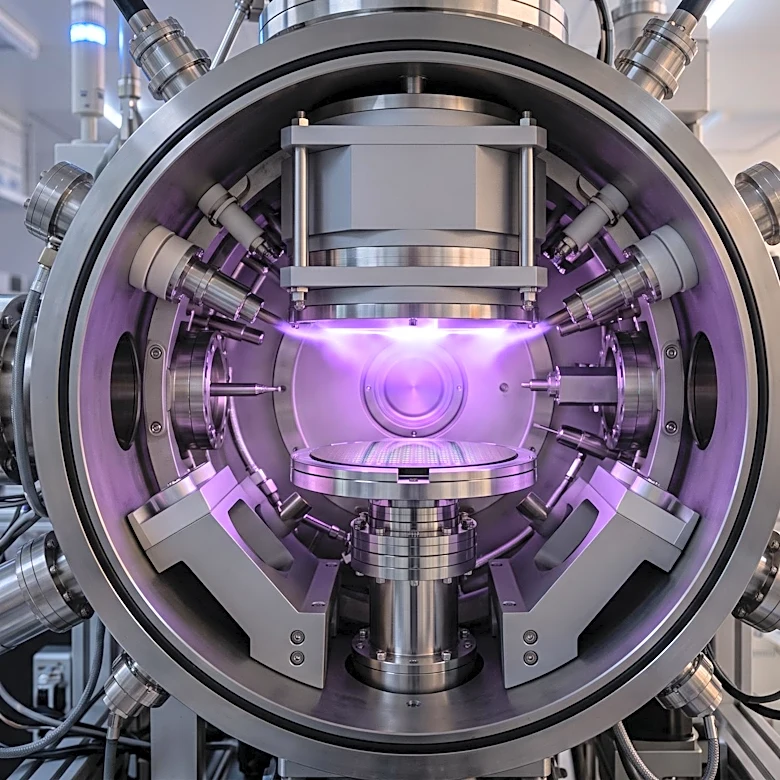
the region's role as a leader in energy innovation. The company, in collaboration with the Tri-City Development Council (TRIDEC), signed an agreement outlining their intent to select a site, secure permits, prepare infrastructure, and develop a specialized workforce. Washington Governor Bob Ferguson and Representative Dan Newhouse were present at the announcement, emphasizing the project's significance for the state's clean energy future, economic growth, and job creation. The initial investment for the manufacturing plant is estimated to be close to $1 billion, funded privately. Avalanche Energy aims to start with a prototype production facility and eventually transition to a commercial manufacturing operation capable of producing hundreds of fusion machines annually.
Why It's Important?
This development is highly significant for the U.S. energy sector and regional economic development. The establishment of a fusion energy manufacturing facility in the Tri-Cities positions Washington state at the forefront of advanced energy technology, potentially accelerating the commercialization of fusion power. Fusion energy, unlike nuclear fission, promises a clean and virtually limitless power source, addressing critical environmental and energy security concerns. The project's estimated $1 billion private investment and the creation of hundreds of skilled and unskilled jobs will provide a substantial boost to the local economy, attracting further investment and fostering a specialized workforce. This initiative also leverages the Tri-Cities' historical expertise in nuclear technology, transitioning it towards future-oriented clean energy solutions. The success of this venture could set a precedent for other regions looking to invest in high-tech, sustainable industries, contributing to the nation's overall technological and economic competitiveness.
What's Next?
The immediate next steps involve Avalanche Energy and TRIDEC working together to identify a suitable site for the manufacturing plant. TRIDEC plans to issue a request for information to evaluate potential locations based on infrastructure, workforce, transportation, and utility requirements. Following site selection, efforts will focus on securing necessary permits and preparing the infrastructure for construction. Avalanche Energy intends to begin with a prototype production facility, with the goal of transitioning to a full commercial manufacturing operation. The company is also on track to demonstrate net fusion energy gain before 2030 and aims to start construction on a prototype plant by then. Concurrently, there will be a focus on developing a specialized workforce through regional partnerships and attracting new investments to support the project's expansion. The long-term vision includes the Tri-Cities becoming a hub for fusion technology research, engineering, and global deployment.
Beyond the Headlines
The establishment of Avalanche Energy's fusion manufacturing facility in the Tri-Cities represents more than just an economic boost; it signifies a pivotal step in the global quest for sustainable energy. The shift from traditional nuclear fission to fusion energy could fundamentally alter the energy landscape, offering a clean, safe, and abundant power source that addresses climate change and energy independence. This project highlights the critical role of public-private partnerships and regional specialization in driving technological innovation. The Tri-Cities' historical connection to nuclear technology provides a unique cultural and intellectual foundation for this new venture, demonstrating how legacy industries can evolve to meet future demands. Furthermore, the development of compact, modular fusion machines could democratize energy access, making it feasible to deploy power solutions in remote or disaster-stricken areas. This initiative could inspire a new generation of scientists and engineers, fostering educational and research opportunities that extend far beyond the immediate economic benefits, ultimately shaping the future of energy and technology.