







What's Happening?
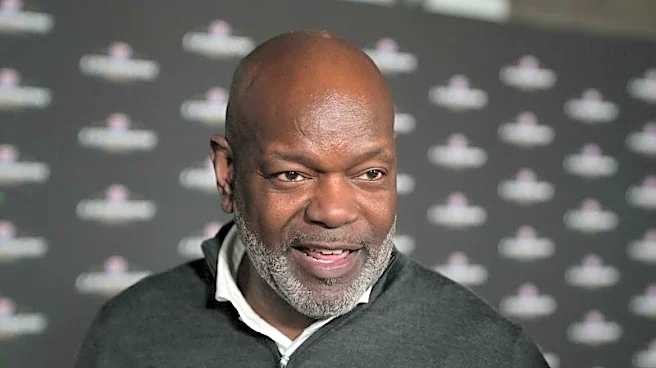
Emmitt Smith, the NFL's career rushing leader and former Dallas Cowboys running back, is facing a lawsuit from Kituwah LLC, a Native American investment company. The lawsuit, filed in Delaware, alleges that Smith and his business partners at 4 13 Solutions
misappropriated a $2.5 million loan intended for a wind farm project in Texas. Kituwah LLC, which invests on behalf of the Eastern Band of Cherokee Indians, claims that 4 13 Solutions used the funds to repay an investor from previous dealings with Smith's company, rather than for the Project Exodus wind farm. Kituwah's attorneys assert that Smith and his longtime business partner, David Mosley, misrepresented their efforts to secure a U.S. Department of Energy loan, which was supposed to trigger repayment to Kituwah. The investment company delivered the funds on September 1, 2023, expecting repayment within months, and was promised the wind farm would be operational by December 2024. However, Kituwah found no evidence of the project's existence shortly before that deadline. The lawsuit claims the loan has accrued approximately $600,000 in interest and seeks jury-determined damages.
Why It's Important?
This lawsuit carries significant implications for both the business ventures of high-profile athletes and the integrity of investment projects, particularly those involving Native American tribal entities. For Emmitt Smith, a Pro Football Hall of Famer, the allegations could tarnish his public image and business reputation, potentially impacting future endorsements and entrepreneurial endeavors. For Kituwah LLC and the Eastern Band of Cherokee Indians, the alleged misappropriation represents a substantial financial loss and a breach of trust, which could affect their ability to pursue future investment opportunities aimed at economic development for the tribe. The case also highlights potential risks in large-scale energy projects, particularly those relying on government funding and complex financial structures. The claim that the situation resembles a 'Ponzi scheme' raises serious concerns about financial transparency and ethical conduct in business partnerships, potentially deterring other investors from similar ventures if such allegations are proven true. The outcome of this lawsuit could set precedents for accountability in celebrity-backed business dealings and investment practices within the renewable energy sector.
What's Next?
The lawsuit will proceed through the Delaware court system, where Kituwah LLC is seeking a jury to determine damages. 4 13 Solutions has not yet returned messages, and there is no immediate information on legal representation for Smith or his company in the filing. The next steps will likely involve Smith and his partners formally responding to the allegations, followed by discovery processes where both sides will exchange evidence. This could include examining financial records, communications, and project documentation related to the Project Exodus wind farm and the alleged repayment to Darrel Wilson of Wilson Holdings of North America LLC. The court will assess whether Smith and Mosley indeed misrepresented their efforts to secure government funding and if the loan was improperly diverted. The legal proceedings could be lengthy, potentially leading to a settlement or a full trial. The outcome will determine the financial liabilities of Smith and 4 13 Solutions and could influence future investment practices involving celebrity figures and tribal entities.
Beyond the Headlines
Beyond the immediate financial and legal ramifications, this case touches upon broader themes of trust, accountability, and the complexities of large-scale investment, particularly in emerging sectors like renewable energy. The involvement of a Native American investment company, Kituwah LLC, underscores the growing role of tribal nations in economic development and their pursuit of sustainable ventures. Allegations of misappropriation in such partnerships can erode trust, not only between specific parties but also within broader investment communities, potentially making it harder for tribal entities to secure future funding. Furthermore, the case highlights the scrutiny faced by public figures like Emmitt Smith when their business dealings come under question, emphasizing the importance of due diligence and transparent practices in all ventures. The 'Ponzi scheme' comparison, if substantiated, points to systemic vulnerabilities in financial oversight and the potential for exploitation in complex investment structures. This lawsuit could serve as a cautionary tale, prompting greater scrutiny of how funds are managed in high-value projects and reinforcing the need for robust legal frameworks to protect investors.