


What's Happening?
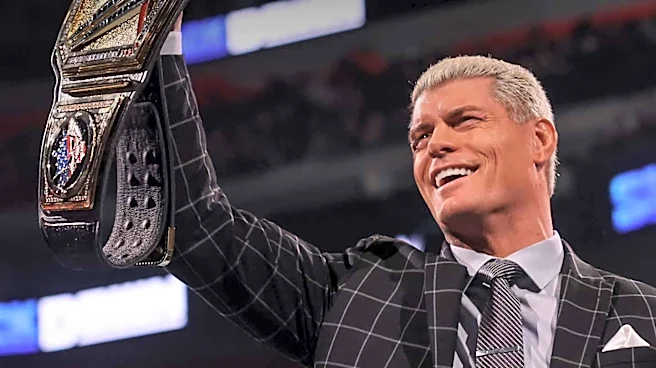
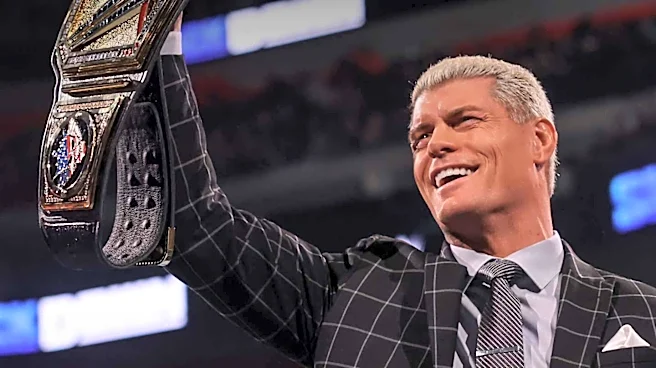
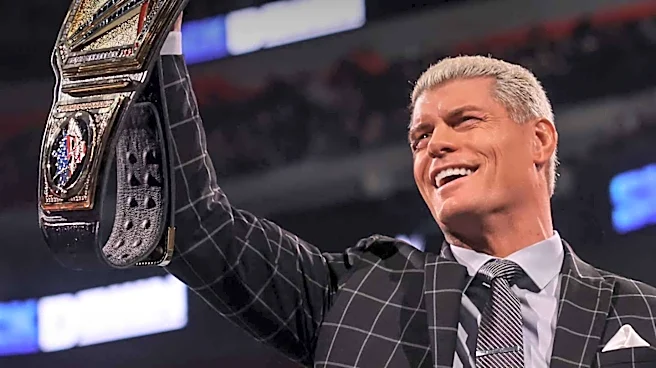
Cody Rhodes, a wrestler currently signed to WWE, has offered an explanation for the cessation of WWE's traditional WrestleMania parties. During an appearance on the 'Ebro, Laura, Rosenberg' podcast, Rhodes discussed how these once-extravagant celebrations,
known for elaborate decorations and unique events, gradually lost their exclusive appeal. He recounted a specific event, 'Musclemania,' where he and Santino Marella performed a bodybuilding show, with The Undertaker calling out poses. Rhodes noted that Linda McMahon, present at the event, perceived him as the 'bad guy' and gave him a 'double thumbs down,' marking what he considered the 'peak' of the WrestleMania parties. Rhodes suggested that the parties evolved from exclusive gatherings into more general 'meet-and-greet' events, diminishing their special atmosphere and making them difficult to continue in their original form. He also hinted that the 'real parties' now occur on tour buses, which circle up for more intimate gatherings.
Why It's Important?
The discontinuation of WWE's WrestleMania parties signifies a shift in how the organization manages its public and internal events, potentially impacting fan engagement and the perception of exclusivity within the wrestling community. These parties were once a significant component of the WrestleMania experience, offering a unique blend of celebrity interaction and elaborate entertainment. Their absence could alter the overall fan experience during WWE's biggest annual event, potentially leading to a re-evaluation of how WWE connects with its audience outside of televised shows. For the wrestling industry, this change might reflect a broader trend towards more controlled and less spontaneous interactions between performers and the public, emphasizing the 'secretive' nature of wrestling that Rhodes mentioned. It also highlights the evolving dynamics of fan access and the challenges of maintaining an exclusive atmosphere in an increasingly public-facing entertainment landscape.
What's Next?
The WWE may continue to explore alternative forms of fan engagement and internal celebrations, moving away from large-scale, public parties. The emphasis on more private gatherings, such as those on tour buses, suggests a potential shift towards fostering camaraderie among performers and staff in a less formal setting. For fans, this could mean a greater focus on official fan events, meet-and-greets, or digital interactions, rather than the grand, inclusive parties of the past. The wrestling industry might also observe how this change affects fan sentiment and attendance at future WrestleMania events, potentially influencing future decisions regarding event planning and fan outreach strategies. The comments from Rhodes indicate a recognition within the industry that the nature of these events has changed, and future initiatives will likely adapt to these new realities.
Beyond the Headlines
The evolution of WWE's WrestleMania parties from exclusive, high-energy events to more generalized 'meet-and-greets' reflects broader changes in the entertainment industry regarding fan access and celebrity interaction. The 'secretive' aspect of wrestling, as noted by Rhodes, underscores a tension between maintaining an aura of mystique and the growing demand for transparency and direct engagement from fans. The shift away from large, public parties could also be interpreted as a strategic move to control narratives and maintain a certain level of exclusivity around the WWE brand. This change might also highlight the challenges faced by large entertainment organizations in balancing tradition with modern expectations for accessibility, while also managing the logistical and security complexities of large-scale public events. The 'double thumbs down' from Linda McMahon, while a specific anecdote, symbolizes a moment where the energy of a party shifted, potentially influencing future event planning decisions.