




What's Happening?
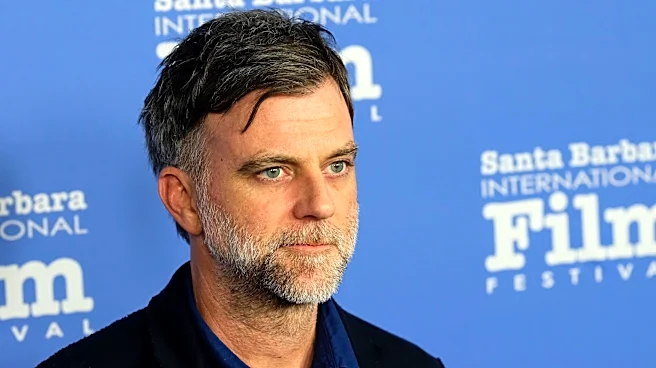
Paul Thomas Anderson's 1999 film 'Magnolia' is scheduled for a special one-night-only screening at Webster University’s Winifred Moore auditorium on Sunday, November 15, at 6:30 p.m. The film, described as an accomplished and impressive work from Anderson's early
career, interweaves the stories of multiple characters, each facing compelling psychological struggles. Clocking in at over three hours, 'Magnolia' delves into the complex emotional challenges of its well-defined individuals, set within the distinctive San Fernando Valley community where Anderson grew up. The movie features a notable ensemble cast including John C. Reilly, Philip Baker Hall, Melora Walters, Jeremy Blackman, William H. Macy, Jason Robards (in his last film role), Julianne Moore, Philip Seymour Hoffman, and Tom Cruise. The film's narrative is complemented by nine songs from Aimee Mann, and its cinematography by Robert Elswit uses lighting and compositions to define shifting moods.
Why It's Important?
The screening of 'Magnolia' offers a significant cultural event for film enthusiasts and students of cinema, providing an opportunity to experience a critically acclaimed work on the big screen. Paul Thomas Anderson is considered a pivotal American filmmaker, and 'Magnolia' is often cited as a key piece in his oeuvre, showcasing his cinematic genius early in his career. For film studies programs and local arts communities, such screenings are vital for preserving and appreciating cinematic history and artistry. It allows audiences to engage with a complex narrative and stellar performances in a communal setting, which is increasingly rare for older films outside of film festivals or special events. The film's themes and narrative structure continue to be relevant for discussions on human connection, redemption, and the intricacies of modern life, making it a valuable cultural touchstone.
What's Next?
Following this one-night screening, 'Magnolia' will likely return to its status as a classic available through streaming platforms and home video. However, the event itself contributes to the ongoing discourse and appreciation of Paul Thomas Anderson's work and 1990s American cinema. For Webster University, such screenings reinforce its role as a cultural hub and an institution dedicated to film education and appreciation. The success of this event might encourage similar one-off screenings of other significant films, providing unique opportunities for local communities to engage with cinematic art. Discussions and analyses of the film, particularly among film students and critics, may be reignited, further cementing its place in film history.
Beyond the Headlines
Beyond its immediate screening, 'Magnolia' stands as a testament to ambitious, character-driven filmmaking that explores the human condition with raw honesty. Its intricate narrative structure, where seemingly disparate lives converge, reflects deeper philosophical ideas about fate, coincidence, and interconnectedness in society. The film's enduring relevance lies in its unflinching portrayal of emotional pain, regret, and the search for meaning, themes that resonate across generations. Culturally, it captures a specific moment in American independent cinema, showcasing a period of bold artistic experimentation. The film's use of music as an integral narrative element also highlights the powerful synergy between sound and visual storytelling, influencing subsequent filmmakers. Its continued screening in academic and arthouse settings underscores its status as a work of enduring artistic merit and a subject for ongoing critical study.