








What's Happening?
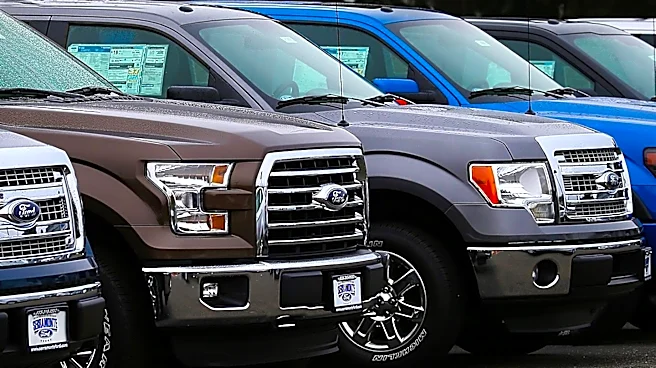
Ford Motor Co. has successfully appealed a Maryland court decision, overturning a $5.8 million judgment against the automaker. The case centered on Ford's exercise of its right of first refusal in a 2019 dealership transaction. The right of first refusal allows
an automaker to purchase a dealership that is being sold to a third party, often to ensure brand representation or strategic alignment. This legal victory for Ford reaffirms the company's ability to intervene in dealership sales under specific circumstances. The original judgment had sided against Ford, imposing a significant financial penalty, which has now been nullified by the appellate court's ruling. This development is significant for Ford and potentially for other automotive manufacturers operating under similar franchise laws.
Why It's Important?
This ruling is important because it reinforces the contractual rights of automotive manufacturers, such as Ford, in their dealership networks. The right of first refusal is a critical tool for automakers to maintain control over their distribution channels, ensuring that dealerships align with corporate standards and strategic goals. A loss for Ford in this case could have set a precedent that might weaken manufacturers' abilities to influence who owns and operates their branded dealerships, potentially leading to less control over brand image and customer experience. For dealership groups, this decision means that manufacturers' rights in sales transactions remain robust, requiring careful consideration of these clauses during acquisitions and sales. The financial implications of the overturned judgment also highlight the substantial monetary stakes involved in such legal disputes within the automotive industry.
What's Next?
The immediate consequence is that Ford is no longer liable for the $5.8 million judgment. This appellate decision could influence future dealership buy-sell agreements and how manufacturers exercise their right of first refusal in Maryland and potentially other states with similar franchise laws. Dealership groups looking to acquire or sell franchises may need to re-evaluate their strategies, taking into account the reaffirmed strength of manufacturer rights. It is possible that this ruling could lead to further legal challenges or legislative efforts by dealer associations to limit manufacturers' rights, though such actions would likely be a long-term endeavor. For now, the automotive retail landscape will continue to operate with manufacturers retaining significant influence over dealership ownership changes.
Beyond the Headlines
Beyond the immediate financial and legal implications, this case touches upon the ongoing tension between automotive manufacturers and their franchised dealers. Manufacturers seek control over their brand and sales network, while dealers often advocate for greater independence and flexibility in business operations. The right of first refusal is a flashpoint in this dynamic, representing a significant power manufacturers hold. This ruling underscores the legal complexities of franchise agreements and the balance of power within the automotive industry. It also highlights the importance of state-specific franchise laws, which can vary significantly and create different legal landscapes for manufacturers and dealers across the U.S. The outcome of such cases can subtly shift the leverage in future negotiations and business practices within the sector.