

What's Happening?
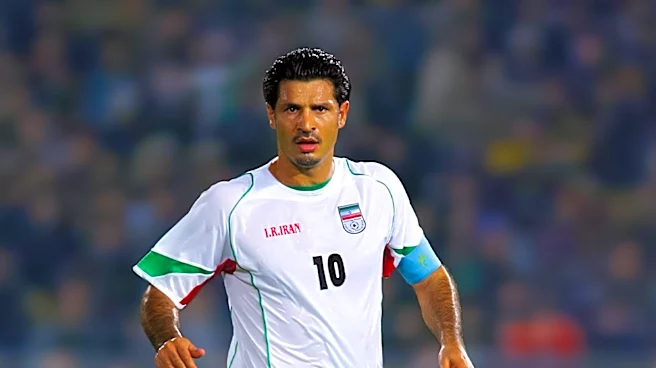
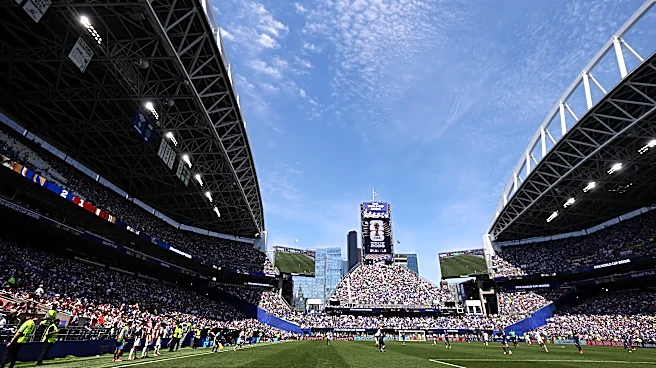
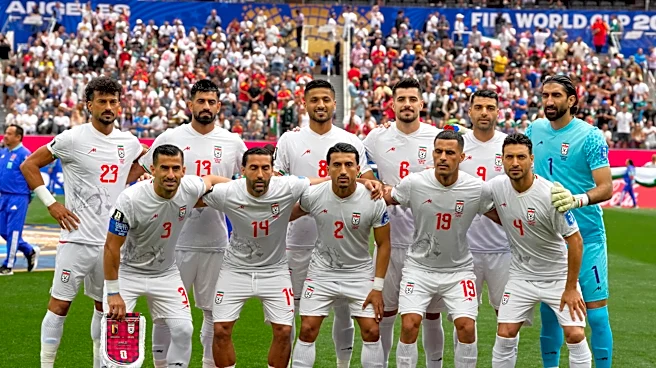
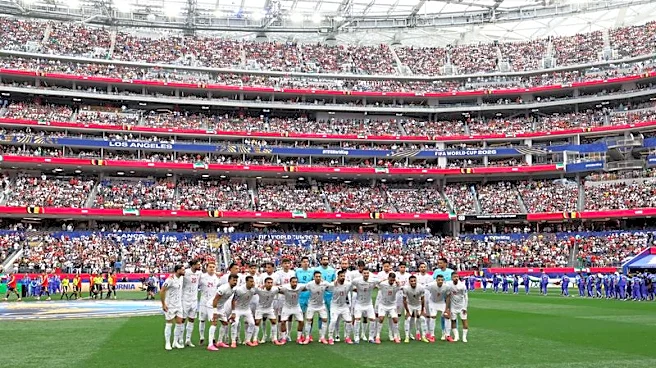
Ahead of the World Cup match between Iran and Egypt in Seattle, both teams have refrained from addressing questions related to the 'Pride Match' celebrations coinciding with the event. FIFA's executive director of public relations, Daniel Marin, read
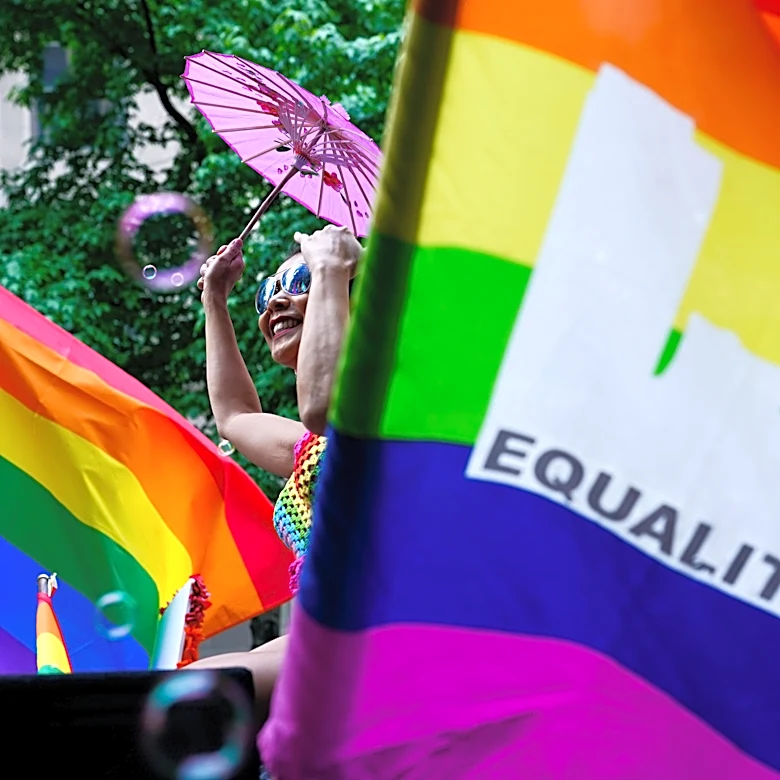
a statement on behalf of the Iranian team, emphasizing their focus solely on the game. Despite the host city's LGBTQ+ celebrations, both teams have requested to limit discussions to football-related topics. Iran and Egypt, known for their restrictive policies towards LGBTQ+ individuals, had previously requested the cancellation of Pride-themed celebrations. FIFA, however, supports the display of the rainbow flag as a human rights statement, allowing fans to bring it into the stadium. The Iranian team has faced logistical challenges due to U.S. travel restrictions, which have now been eased, allowing them to arrive in Seattle earlier than previous matches.
Why It's Important?
The situation highlights the ongoing tension between global sporting events and local cultural or political issues. The decision by Iran and Egypt to avoid discussions on LGBTQ+ rights underscores the challenges faced by international organizations like FIFA in balancing inclusivity with respect for diverse cultural norms. This event also reflects broader geopolitical dynamics, as Iran's participation in the U.S. is complicated by diplomatic and travel restrictions. The match serves as a microcosm of the intersection between sports, politics, and human rights, illustrating the complexities of hosting international events in diverse cultural settings.
What's Next?
As the match proceeds, attention will likely focus on the teams' performances rather than the surrounding controversies. However, the broader implications for FIFA's policies on inclusivity and human rights may continue to be debated. The outcome of the match could influence Iran's progression in the tournament, potentially affecting future logistical arrangements and diplomatic interactions. Stakeholders, including FIFA and local organizers, may need to address the balance between cultural sensitivity and promoting universal human rights in future events.