





What's Happening?
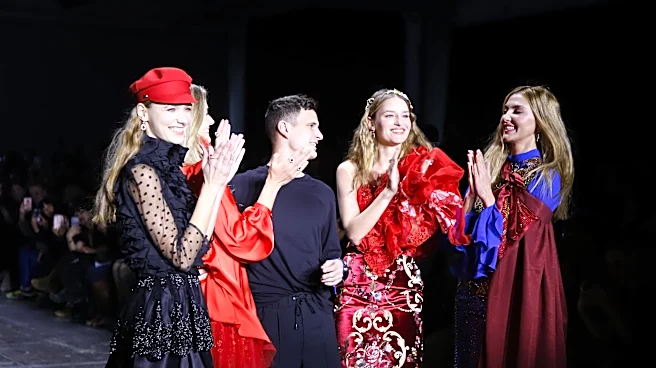
Designer John Richmond presented his Spring/Summer 2027 collection at London Fashion Week on September 19, 2026, held at St Martin-in-the-Fields church in Trafalgar Square. The show featured a blend of Richmond's signature rock-and-roll aesthetic, incorporating
leather, lace, and constructed tailoring. Notable attendees included David A. Stewart and Nick Rhodes of Duran Duran, as well as Kelly Osbourne, reflecting the brand's long-standing cultural connections. Richmond, who launched his label in 1987, continues to personally shape the brand's direction, focusing on maintaining its recognizable identity while evolving to engage new audiences. The collection highlighted themes of contradiction, such as leather meeting lace and exposed skin with tailoring, aiming to create deeper meaning within the designs. This presentation underscores Richmond's approach to brand legacy, emphasizing continuous movement and reinterpretation rather than relying solely on nostalgia.
Why It's Important?
This event is significant for the fashion industry as it demonstrates a successful model for brand longevity and relevance in a rapidly changing market. John Richmond's continued presence and ability to attract diverse generations to his shows highlight the importance of authentic brand identity and cultural alignment over fleeting trends or celebrity endorsements. In an era where luxury brands are intensely focused on capturing younger audiences, Richmond's strategy of staying recognizable while offering new reasons for engagement provides a case study for established houses. The emphasis on genuine cultural connections, rather than merely famous faces, suggests a shift towards more meaningful brand ambassadorship. This approach can influence how other brands strategize their long-term relevance, particularly in the U.S. market where consumer emotional connection is increasingly valued over traditional markers like craftsmanship and heritage.
What's Next?
Following the Spring/Summer 2027 show, John Richmond will likely continue to leverage the collection's themes and the positive reception to further engage with both established and new audiences. The brand's focus on contradiction and reinterpretation suggests future collections may explore similar dynamic tensions, ensuring continued innovation while retaining core brand elements. The success of this approach at London Fashion Week could inspire other designers and fashion houses to re-evaluate their strategies for maintaining relevance and attracting diverse demographics. Expect to see continued emphasis on authentic brand storytelling and cultural integration in upcoming fashion cycles, as brands seek to emulate Richmond's ability to evolve without losing their foundational identity. The industry may also observe how Richmond's strategy translates into commercial success and broader market influence in the coming seasons.
Beyond the Headlines
Beyond the immediate fashion trends, John Richmond's enduring career offers deeper insights into the nature of iconic branding and cultural influence. His ability to fuse music, fashion, and rebellious attitude for over four decades speaks to the power of a strong, consistent vision that is also adaptable. This longevity challenges the notion that brands must constantly reinvent themselves to remain relevant, instead suggesting that a deep understanding of one's core identity, coupled with strategic evolution, is key. The brand's success in bridging generational gaps at London Fashion Week highlights a broader cultural shift where heritage can be reinterpreted by newer audiences, fostering a dynamic rather than static legacy. This approach has implications for various industries beyond fashion, emphasizing that authenticity and meaningful connection are crucial for sustained impact in a crowded marketplace.