








What's Happening?
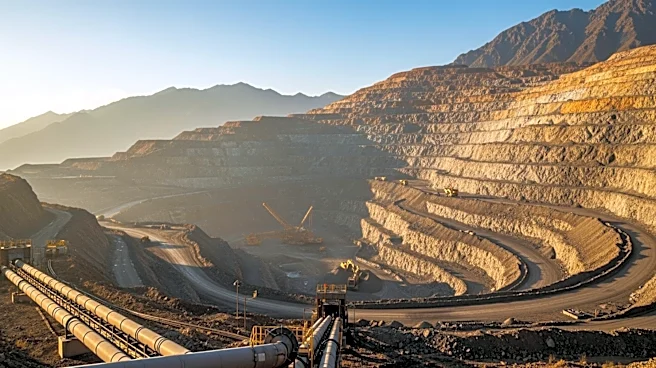
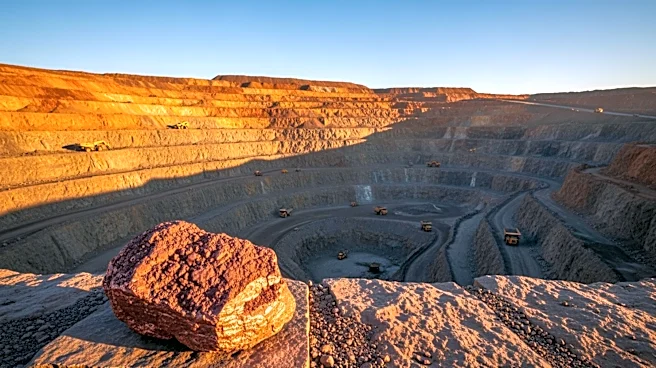
Newmont Corporation has received key regulatory approvals for the expansion of its Red Chris mine in British Columbia, transitioning from open-pit to underground block cave mining. This development extends the mine's operational life into the mid-2040s.
The approvals were granted through a consent-based process involving the Tahltan Nation, reflecting a commitment to responsible resource development. The Red Chris deposit is a significant copper-gold porphyry system, and the expansion is expected to enhance Newmont's presence in the region. The project is part of Newmont's broader strategy following its acquisition of Newcrest, which increased its copper exposure.
Why It's Important?
The expansion of the Red Chris mine is a significant development for Newmont, the world's largest gold miner, as it strengthens its position in the copper market. The project is expected to generate substantial economic benefits, including job creation and increased copper production, which is crucial for the global transition to renewable energy. The involvement of the Tahltan Nation in the approval process highlights the importance of Indigenous partnerships in resource development. This approach not only ensures sustainable practices but also fosters economic opportunities for local communities.
What's Next?
Newmont is moving towards a final investment decision for the Red Chris Block Cave project, with a definitive feasibility study and detailed cost estimate underway. The project is expected to create over 1,800 construction jobs and sustain approximately 1,500 operating roles. As the mine's expansion progresses, it will likely contribute to increased copper production, supporting the growing demand for this critical metal. The success of this project could set a precedent for future mining developments in British Columbia, emphasizing the importance of collaboration with Indigenous groups.
Beyond the Headlines
The Red Chris mine expansion underscores the evolving landscape of the mining industry, where environmental and social governance (ESG) considerations are becoming increasingly important. The project's approval process, which involved the Tahltan Nation, reflects a shift towards more inclusive and sustainable mining practices. This approach not only mitigates environmental impacts but also ensures that local communities benefit from resource development. As the industry continues to evolve, such partnerships could become a standard practice, influencing how mining projects are developed globally.