






What's Happening?
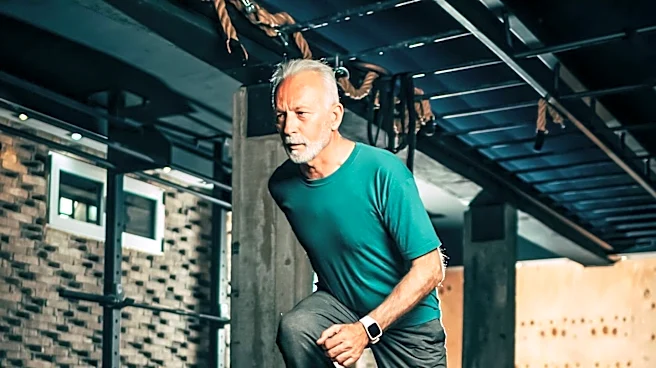
Mobility training is an exercise approach that integrates resistance training with mobility work to simultaneously build strength and improve usable range of motion. This method is particularly suitable for adults in their 50s and 60s, and can be adapted
for individuals with limited mobility. The training focuses on controlled movements and can be modified based on an individual's age, fitness level, and physical condition. It aims to provide practical fitness without relying on complex gym equipment, often utilizing bodyweight and floor-based exercises. This type of training is also incorporated into caregiving courses that teach fall prevention techniques and how to support daily living activities with dignity. The emphasis is on gradual and controlled movements to help individuals remain active while improving overall fitness.
Why It's Important?
This integrated approach to mobility training is crucial for promoting healthy aging and maintaining independence among older adults. As individuals age, muscle mass and strength naturally decline, a condition known as sarcopenia, which can lead to reduced physical function and increased risk of falls and fractures. Mobility training directly addresses these issues by enhancing muscle strength, stabilizing joints, and improving balance. By focusing on functional movements that mimic daily activities, it helps seniors perform tasks like getting up from a chair, climbing stairs, and carrying groceries with greater ease and confidence. This not only improves their quality of life but also reduces the burden on healthcare systems by preventing injuries and promoting self-sufficiency. The adaptability of these programs makes them accessible to a wide range of older adults, including those with pre-existing conditions or limited mobility, thereby fostering a more active and resilient senior population.
What's Next?
The continued adoption and development of tailored mobility training programs are expected, especially given the growing aging population. There will likely be an increased focus on making these programs more accessible, potentially through community centers, online platforms, and specialized caregiving courses. Further research may explore the long-term benefits of combining resistance and mobility work on chronic disease management and cognitive function in older adults. Healthcare providers and fitness professionals may increasingly collaborate to integrate these training methods into personalized wellness plans, ensuring that exercises are safe and appropriate for individuals with varying health needs. Additionally, there could be a push for greater awareness campaigns to educate seniors and their caregivers about the benefits and accessibility of mobility training, encouraging broader participation and proactive health management.
Beyond the Headlines
The emphasis on mobility training reflects a broader societal shift towards preventative healthcare and holistic well-being, particularly for the aging demographic. Beyond the physical benefits, engaging in such training can significantly impact mental health by fostering a sense of accomplishment, independence, and social connection, especially in group settings. It challenges the traditional view of aging as a period of inevitable decline, promoting an active and engaged lifestyle. Ethically, making these programs accessible and affordable for all socioeconomic groups is vital to ensure equitable health outcomes. Culturally, it encourages a re-evaluation of fitness norms, moving beyond high-intensity workouts to embrace sustainable, functional movements that support long-term health and dignity. This approach also highlights the importance of continuous learning and adaptation in exercise science to meet the evolving needs of diverse populations.