




What's Happening?
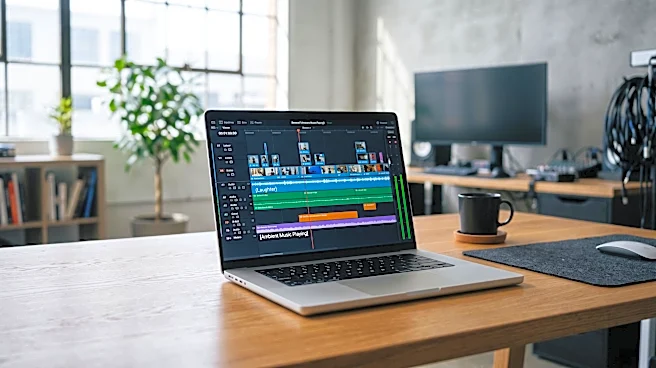
Final Cut Pro for Mac has rolled out new functionalities allowing users to create closed captions either automatically from spoken audio or manually. This update enables video editors to generate captions directly within the software, assigning them special
closed caption roles. Users can choose from various closed caption formats, including CEA-608, iTT, or SRT, and create specific roles for each format, along with subroles for different language versions. The automatic caption generation feature, 'Generate Captions,' transcribes speech from video clips and connects the resulting caption clips to the primary storyline. This process requires a Mac with Apple silicon and an internet connection for the initial language model download. For manual captioning, users can add text in the closed caption editor, adjust duration, and sync captions with audio. The software also provides validation to ensure captions conform to chosen format specifications, highlighting any non-compliant captions in red.
Why It's Important?
This enhancement in Final Cut Pro significantly streamlines the video production workflow for content creators, making videos more accessible to a wider audience, including those with hearing impairments or viewers who prefer to watch content without sound. The integration of automatic captioning reduces the time and effort previously required for manual transcription or reliance on third-party services, thereby lowering production costs and accelerating content delivery. For businesses and educational institutions, this feature facilitates compliance with accessibility standards and expands their reach to diverse linguistic groups through multilingual caption support. The ability to export and import various caption formats also ensures compatibility across different platforms and distribution channels, enhancing the overall utility and professional quality of video content produced on Apple's platform.
What's Next?
Content creators using Final Cut Pro are expected to increasingly adopt these new captioning tools to enhance the accessibility and reach of their video projects. As more users leverage the automatic generation feature, there may be a greater demand for refinements in speech-to-text accuracy, especially for diverse accents and complex terminology. Apple may continue to update the language models and introduce more advanced features, such as improved noise reduction for better caption quality. The widespread adoption of these integrated captioning capabilities could also influence industry standards for video accessibility, potentially leading to more content being published with high-quality closed captions as a standard practice rather than an optional add-on. Furthermore, the ease of creating multilingual captions could encourage broader international distribution of video content.
Beyond the Headlines
The integration of advanced captioning directly into video editing software like Final Cut Pro reflects a broader industry trend towards inclusive design and accessibility. This move not only addresses legal and ethical obligations to make content accessible but also acknowledges the growing consumer preference for captions, even among those without hearing impairments, for viewing content in noisy environments or on mobile devices. The technological advancement in speech-to-text algorithms, now embedded in professional tools, democratizes access to sophisticated production capabilities. This could lead to a richer and more diverse media landscape, as creators from various backgrounds can more easily produce polished, accessible content. The emphasis on different caption formats also highlights the technical complexities and varying standards across different media platforms, underscoring the need for flexible and robust captioning solutions in modern digital media.