






What's Happening?
ASICS' SportStyle division experienced an 83% growth in the first half of the year, reaching ¥123.1 billion (approximately $820 million USD). This significant increase contributed to ASICS achieving over ¥500 billion in first-half sales for the first time.
According to Mitsuyuki Tominaga, as reported by The Business of Fashion, this growth is attributed to a deliberate strategy of selective distribution rather than mass-market saturation. ASICS partnered with a limited number of shops that were committed to building the brand collaboratively. This approach also ensured that wholesalers did not heavily discount products, maintaining brand value. The company's success in SportStyle follows a period six to seven years ago when it was considered weak in this segment, having built the category through collaborations with designers and a small group of retailers, while consistently prioritizing its running product line.
Why It's Important?
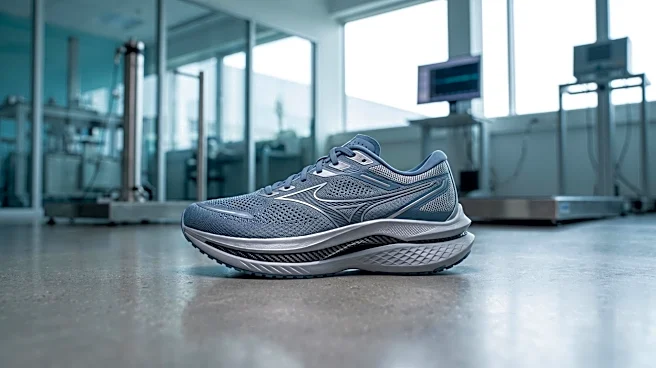
This strategic success by ASICS has significant implications for the U.S. sportswear and fashion retail markets. By focusing on selective distribution and maintaining product value, ASICS is demonstrating a model that can counter the prevalent trend of heavy discounting and brand dilution. This approach could influence other brands to reconsider their distribution strategies, potentially leading to a more curated retail environment and stronger brand equity across the industry. For U.S. retailers, this means that those who secure partnerships with ASICS under this selective model stand to gain from higher margins and a more exclusive product offering. The company's investment in a new industry-academia lab at the University of Michigan, backed by $25 million, further underscores its commitment to innovation, which will likely feed into future running products by 2028, impacting the competitive landscape of athletic footwear in the U.S.
What's Next?
ASICS is now focusing on expanding its presence in the U.S. market, where its share is currently lower compared to Europe. If the selective distribution approach is successfully replicated in the U.S., it could lead to a period of significant growth for a select group of U.S. retailers. This strategy suggests that ASICS will continue to prioritize partnerships with retailers who align with its brand values and are willing to collaborate on brand building, rather than simply moving high volumes of product. The $25 million investment in the University of Michigan lab indicates a long-term commitment to research and development, with new running products expected by 2028. This ongoing innovation will likely fuel future growth and maintain ASICS' competitive edge, potentially leading to new product lines and technological advancements that will be introduced to the U.S. market.
Beyond the Headlines
The ASICS strategy highlights a broader shift in consumer behavior and brand perception within the fashion and sportswear industries. Consumers are increasingly valuing exclusivity, authenticity, and quality over mass availability and discounted prices. By carefully managing its distribution and maintaining a strong connection to its core identity as a running brand, ASICS is cultivating a desirable image that resonates with discerning customers. This approach also fosters stronger relationships with retail partners, creating a more collaborative ecosystem. The emphasis on research and development, particularly through academic partnerships like the one with the University of Michigan, underscores a commitment to scientific advancement and performance, which can further differentiate ASICS in a crowded market and appeal to consumers who prioritize innovation and technical superiority in their athletic gear.