

What's Happening?
Arm Holdings shares experienced an 8% decline in Wednesday trading, reaching approximately $148.62. This drop extended losses across the semiconductor sector, as investors reduced their exposure to artificial intelligence-related stocks. The decline followed
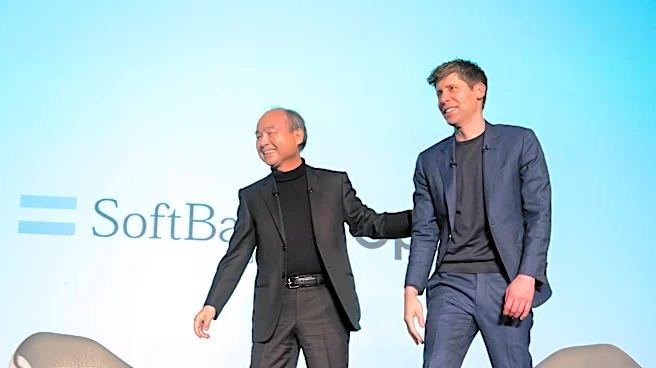
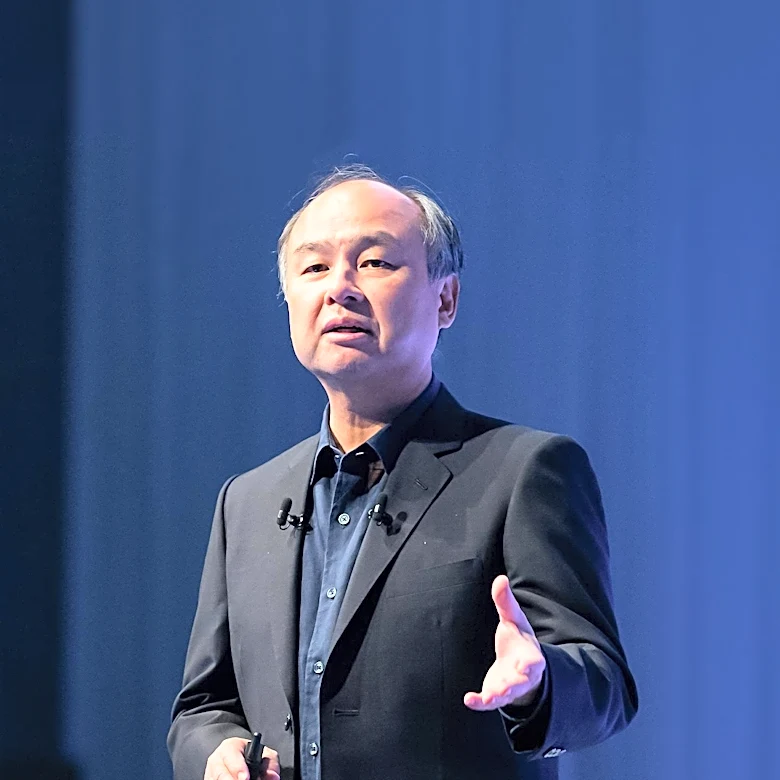
a significant fall in SoftBank Group shares, Arm's majority shareholder, which closed down nearly 14.8% in Tokyo. SoftBank's substantial ownership (86.4%) and its pledge of 72% of Arm shares as collateral for a $25 billion margin loan link Arm's share price to SoftBank's financial stability, amplifying pressure during SoftBank's downturns. This market movement occurred despite the recent announcement that Arm CEO Rene Haas signed an agreement to remain in his role through 2033, also becoming vice chairman of SoftBank Group from December 1. Haas has led Arm since 2022, overseeing its Nasdaq listing in 2023. Broader weakness in technology stocks and expectations of tighter monetary policy, with a 99.8% probability of a Federal Reserve rate hike in December according to CME Group's FedWatch tool, further contributed to the negative sentiment.
Why It's Important?
The decline in Arm's stock, influenced by SoftBank's selloff and broader AI concerns, highlights the interconnectedness of global financial markets and the sensitivity of the semiconductor industry to investor sentiment. SoftBank's significant stake and the collateral arrangement mean that its financial performance directly impacts Arm's market valuation, creating a unique vulnerability for the U.S.-listed company. This situation could deter potential investors who are wary of the risks associated with a major shareholder's volatility. Furthermore, the reassessment of exposure to AI-related companies indicates a potential shift in investor confidence within a sector that has seen rapid growth. While Arm's leadership stability is secured with CEO Rene Haas's extended contract, the external market pressures demonstrate that even strong internal management and positive financial results (like Arm's reported 27% year-over-year revenue growth) can be overshadowed by macroeconomic factors and the financial health of key stakeholders. This scenario underscores the challenges for technology companies navigating a complex investment landscape.
What's Next?
The immediate future for Arm's stock will likely be influenced by SoftBank's performance and the broader sentiment towards AI-related investments. Analysts remain largely bullish on Arm, citing strong licensing momentum and growing adoption in data centers, with some maintaining 'Buy' ratings and price targets up to $255. However, the market's reaction to SoftBank's movements and the Federal Reserve's monetary policy decisions, particularly the anticipated rate hike in December, will be critical. Arm has guided for fiscal third-quarter revenue of $1.54 billion, plus or minus $50 million, indicating continued growth. Investors will closely monitor whether the company can meet these projections and if the reported free cash flow shortfall, attributed to working-capital changes, reverses as expected. The long-term impact of Rene Haas's extended leadership and his new role as vice chairman of SoftBank Group will also be observed for its potential to stabilize and strategically guide both entities.
Beyond the Headlines
The situation with Arm and SoftBank reveals deeper implications regarding corporate governance and financial interdependencies in the global tech sector. SoftBank's substantial ownership and the use of Arm shares as collateral for a margin loan raise questions about potential conflicts of interest and the influence of a single majority shareholder on a publicly traded company. This structure can create a 'circular financing' concern, where SoftBank affiliates contribute significantly to Arm's revenue, potentially blurring the lines of independent market performance. The market's reaction also highlights the ongoing debate about the valuation of AI-related companies and whether current stock prices reflect sustainable growth or speculative bubbles. The leadership stability provided by Rene Haas's extended contract is a positive, but the external pressures underscore the need for transparency and robust governance structures to protect minority shareholders and maintain market confidence in companies with complex ownership arrangements.