





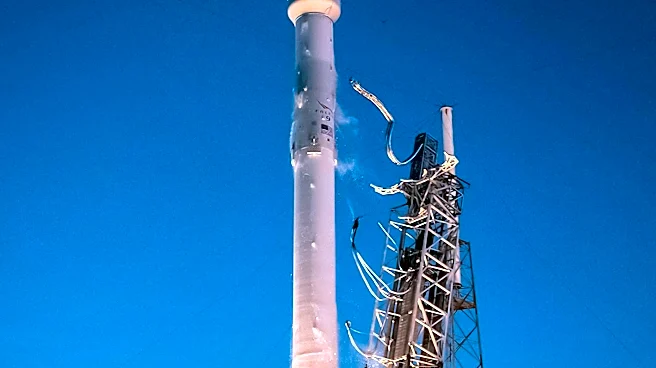
What's Happening?
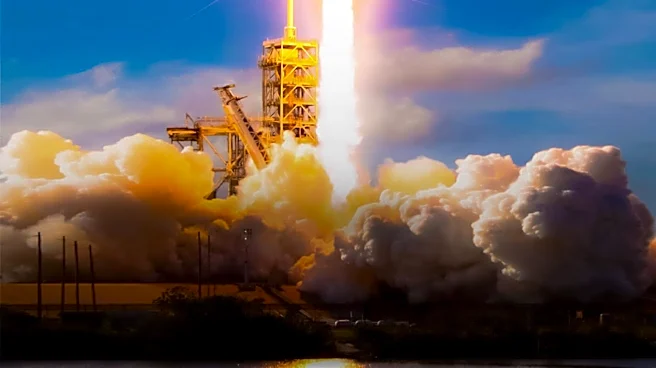
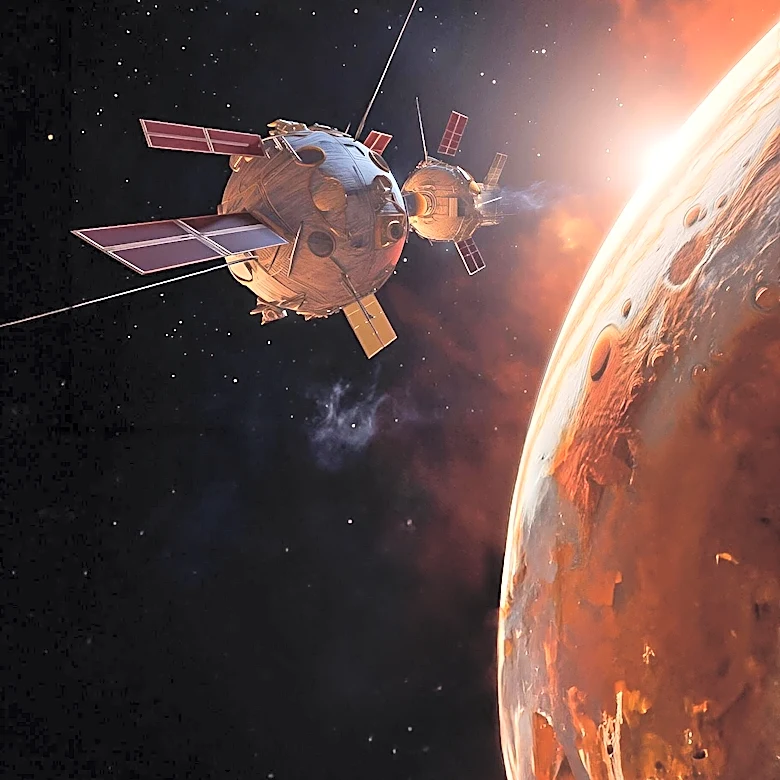
A private mission launched by Northrop Grumman, in collaboration with SpaceX, aims to extend the operational life of aging communication satellites. The mission involves a two-armed space robot, known as the Mission Robotic Vehicle (MRV), which will attach
jetpacks to satellites running low on fuel. These jetpacks, equipped with xenon gas thrusters, will enable the satellites to continue functioning for several more years. The mission is part of a broader effort to reduce costs and extend the lifespan of space assets. The MRV and its jetpacks will spend the next year reaching the correct orbit, with plans to service multiple satellites by mid-2027.
Why It's Important?
This mission represents a significant advancement in satellite servicing technology, offering a cost-effective solution for satellite operators. By extending the life of existing satellites, companies like SES and Optus can avoid the high costs associated with launching new satellites. This approach not only provides economic benefits but also contributes to sustainability in space operations by reducing space debris. The success of this mission could pave the way for more complex satellite servicing tasks, such as repairs and relocations, enhancing the efficiency and longevity of space infrastructure.
What's Next?
Following the successful deployment of the MRV and jetpacks, Northrop Grumman plans to expand its satellite servicing capabilities. Future missions may involve more sophisticated tasks, such as repairing and relocating satellites or removing defunct satellites from orbit. The company is working with the U.S. Naval Research Laboratory and the Defense Advanced Research Projects Agency to develop these capabilities. The outcome of this mission will likely influence the development of policies and regulations regarding satellite servicing and space debris management.