







What's Happening?
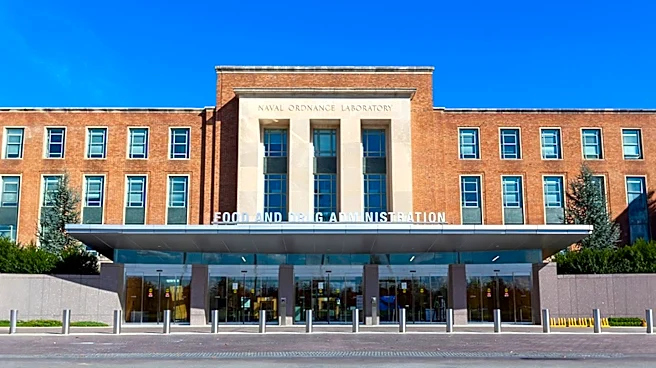
Absentia Labs, a biotech startup, has achieved a milestone with its Digital Liver Model being accepted into the FDA's Drug Development Tool Qualification Program. This marks the first AI-driven tool to enter the FDA's ISTAND qualification pathway, aiming
to improve human safety predictions and reduce animal testing reliance. The model predicts Drug-Induced Liver Injury (DILI), a significant safety concern in drug development. Founded by MIT-trained scientists, Absentia Labs focuses on making drug development more predictive and evidence-based.
Why It's Important?
The acceptance of Absentia Labs' Digital Liver Model by the FDA represents a significant advancement in the integration of AI into drug development. This development could lead to more accurate predictions of drug safety, potentially reducing the high attrition rates in clinical trials. By addressing a leading cause of trial failure, the model can streamline the drug development process, saving time and resources. This innovation highlights the growing role of AI in transforming pharmaceutical research and development, offering a more efficient and humane approach to drug safety assessment.
What's Next?
With the FDA's acceptance, Absentia Labs is poised to further develop its AI platform, potentially expanding its applications to other areas of human biology. The company's success could encourage more biotech firms to adopt AI-driven methodologies, accelerating the shift towards more predictive and less experimental drug development processes. Monitoring the model's impact on clinical trial outcomes and its adoption by pharmaceutical companies will be key in assessing its long-term influence on the industry.