



What's Happening?
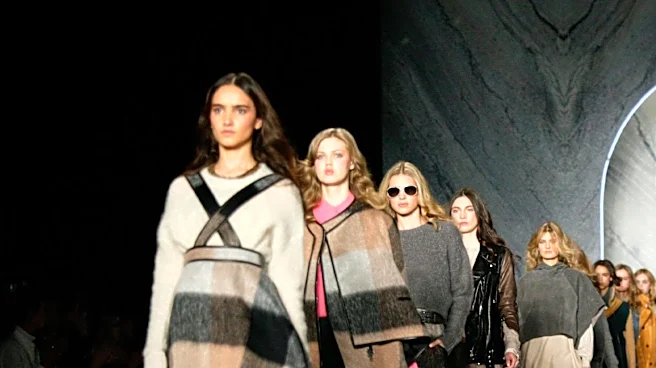
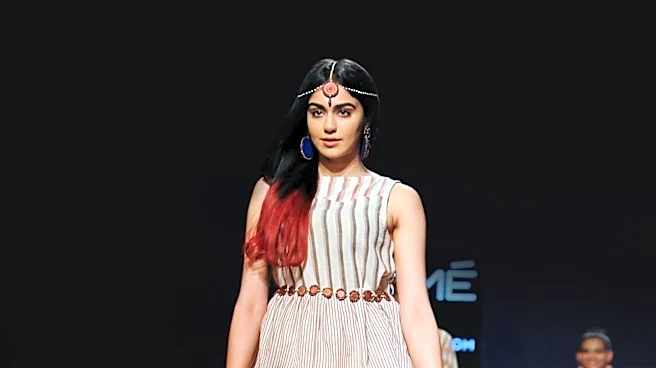
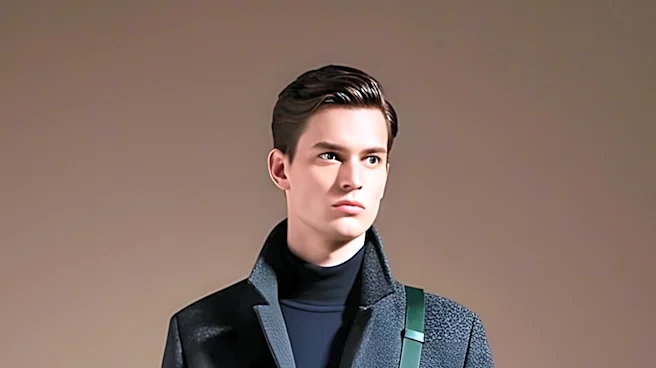
The modeling industry maintains specific height requirements for male models, which differ significantly across various segments such as runway, print, editorial, and commercial modeling. For fashion runway models, the standard height typically ranges
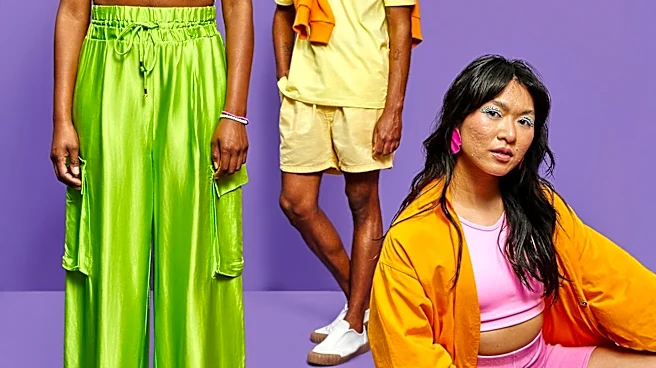
from 5’11” to 6’3”. This range is crucial for designers to effectively showcase their clothing, ensuring garments drape well and create an elongated silhouette. Print and editorial modeling offers slightly more flexibility, with models often ranging from 5’9” to 6’2”. In this segment, unique looks and the ability to convey emotion can sometimes outweigh strict height requirements. Commercial modeling is the most inclusive, with brands seeking male models of varied heights, generally from 5’8” to 6’2”, to appeal to diverse consumer bases through lifestyle campaigns and advertisements. The industry is also evolving to include specialized areas like plus-size and fitness modeling, where height requirements are less stringent, emphasizing physique and athleticism over height.
Why It's Important?
Height plays a vital role in the visual aesthetics of fashion, particularly on the runway, where taller models can create a stronger visual impact and better demonstrate the flow and fit of garments. This directly influences brand representation, as models embody the brand's identity and contribute to its overall marketing strategy. For aspiring male models in the U.S., understanding these varying height standards is crucial for navigating the competitive industry and identifying suitable opportunities. While height is a significant factor, a compelling personality, striking features, and a unique look can often compensate for not meeting the strictest height criteria, especially in print and commercial work. The increasing diversity in modeling, including specialized genres, indicates a broader shift in how brands connect with consumers, moving beyond traditional ideals to embrace a wider range of representations.
What's Next?
Aspiring male models are advised to focus on developing a strong portfolio that showcases versatility and unique qualities. Building confidence and cultivating a strong personal brand are also emphasized as critical factors for success. Seeking representation from an agency that understands the nuances of men's model height requirements and has strong industry connections is a key next step. As the fashion industry continues to evolve towards greater inclusivity, opportunities for models of diverse heights and body types are expected to expand. This ongoing shift suggests that while traditional height standards will likely persist in certain high-fashion runway contexts, the broader modeling landscape will continue to open doors for a wider array of talent.
Beyond the Headlines
The emphasis on height in modeling reflects a long-standing aesthetic preference within the fashion industry, often linked to the idealized presentation of clothing. However, the growing flexibility in height requirements for print, commercial, and specialized modeling genres highlights a broader cultural shift towards diversity and relatability in media representation. This evolution challenges traditional beauty standards and suggests a move towards more authentic and inclusive portrayals of masculinity. The industry's increasing acceptance of varied heights and body types could lead to a more representative and diverse advertising landscape, potentially influencing consumer perceptions and societal norms regarding appearance. This trend also underscores the importance of individuality and personality in a field historically focused on physical measurements.