


What's Happening?
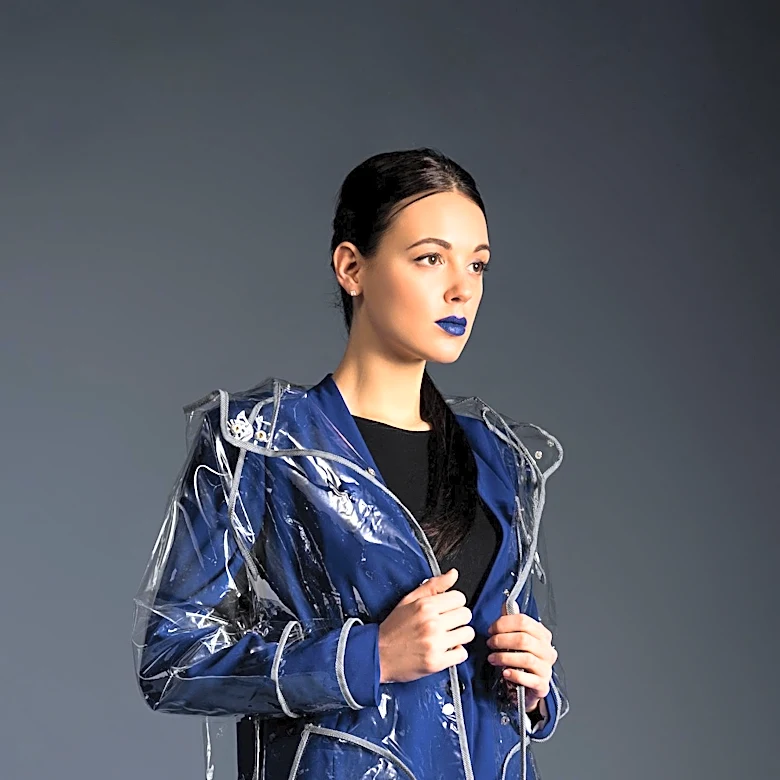
Marine Serre, the fashion designer, continues to lead her eponymous label, which was established in 2017. The brand is recognized for its commitment to innovative and sustainable practices. This commitment is evident in their use of organic materials
and eco-friendly manufacturing processes. For instance, a product detail page for a 'MOON SILK VEILED CAP' highlights its composition of 100% silk issued from organic farming, certified by GOTS. The traceability information further indicates that the weaving, dyeing, and manufacturing processes all occur in Italy. The brand's focus on sustainability has garnered attention within the fashion industry, with features in prominent publications like The New York Times. The brand offers a range of clothing and accessories, including items made with these sustainable considerations.
Why It's Important?
The emphasis on sustainable practices by a prominent fashion label like Marine Serre is significant for the broader fashion industry and consumer market. It signals a growing trend towards environmental responsibility in manufacturing and sourcing, which can influence other brands to adopt similar practices. For consumers, this provides options for ethically produced goods, potentially shifting purchasing habits towards more sustainable choices. The use of organic materials and eco-friendly processes can reduce the environmental footprint of fashion production, addressing concerns about pollution and resource depletion. This movement also highlights the importance of supply chain transparency, as evidenced by the detailed traceability information provided for their products. Brands that prioritize sustainability may gain a competitive advantage by appealing to a demographic increasingly concerned with environmental impact.
What's Next?
The continued success and visibility of brands like Marine Serre are likely to further accelerate the adoption of sustainable practices across the fashion industry. We can anticipate more designers and labels integrating organic materials, eco-friendly manufacturing, and transparent supply chains into their core business models. This could lead to increased demand for certified organic textiles and sustainable production methods, potentially driving innovation in these areas. Regulatory bodies might also take note, possibly leading to new standards or incentives for sustainable fashion. Consumers can expect a wider array of sustainably produced clothing and accessories, and the conversation around ethical consumption in fashion will likely intensify, pushing for greater accountability from all industry players.
Beyond the Headlines
The rise of sustainable fashion, exemplified by Marine Serre, extends beyond mere product offerings; it represents a cultural shift in how value is perceived in consumer goods. This movement challenges the traditional fast-fashion model, which often relies on rapid production cycles and disposable items, by promoting longevity, ethical sourcing, and environmental consciousness. It also raises ethical questions about labor practices in the global supply chain, as sustainable brands often prioritize fair labor alongside environmental concerns. The focus on organic materials and local manufacturing, as seen with Marine Serre's Italian production, can also stimulate local economies and preserve traditional craftsmanship. Ultimately, this trend could redefine luxury, moving it from exclusivity based on price to exclusivity based on ethical and environmental integrity.