


What's Happening?
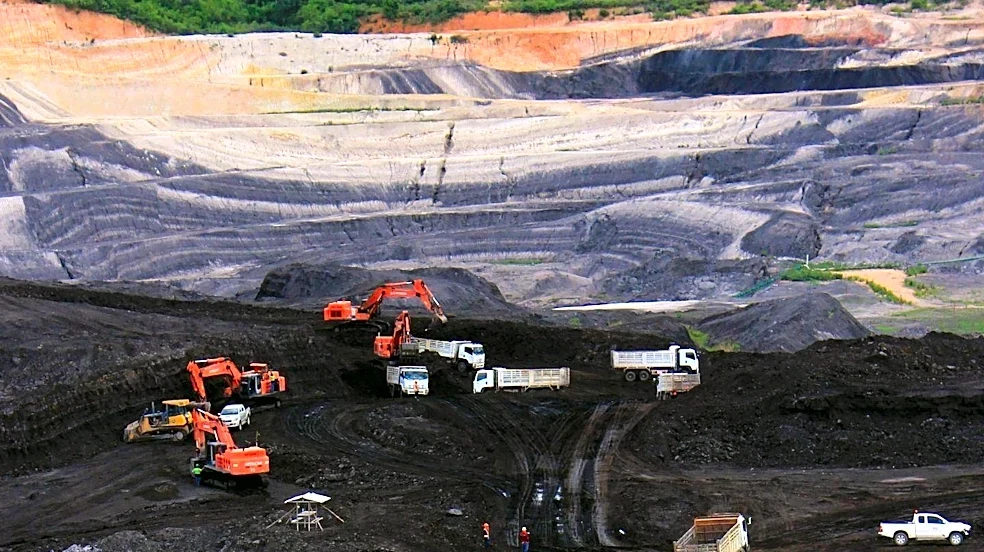
The Inter-American Development Bank (IDB) has approved $16.1 million in financing for the Dominican Republic to evaluate the rare earth deposits within the Ávila Mining Fiscal Reserve (RFMA). This funding will support a comprehensive prefeasibility study,
encompassing technical, environmental, social, economic, financial, legal, and infrastructure assessments. The initiative aims to determine the viability of developing these rare earth resources and their potential contribution to the national economy and public revenues. The program is designed to strengthen the technical and management capabilities of the Ministry of Energy and Mines (MEM) and Empresa Minera Dominicana, S.A. (EMIDOM), providing them with robust information for strategic decision-making and project management in line with international standards. This effort is part of the IDB Group’s regional initiative, América en el Centro, which promotes sustainable development and integration in Central America, Panama, and the Dominican Republic, and aligns with IDB LAC Minerals' goal of transforming the region's mineral wealth into sustainable growth through secure and responsible value chains.
Why It's Important?
This development is significant for the Dominican Republic as it could unlock a new source of economic growth and public revenue through the responsible extraction of rare earth minerals. Rare earths are critical components in various high-tech industries, including electric vehicles, wind turbines, electronics, and defense technologies. A successful assessment and subsequent development of these deposits could reduce the country's reliance on other economic sectors and enhance its position in the global supply chain for critical minerals. Furthermore, the IDB's involvement emphasizes a commitment to sustainable development and responsible mining practices, which is crucial for mitigating potential environmental and social impacts. Strengthening the institutional capacity of the MEM and EMIDOM will ensure that any future mining projects are managed effectively and adhere to international best practices, fostering long-term economic benefits while safeguarding the environment and local communities.
What's Next?
The immediate next step involves the execution of the comprehensive prefeasibility study, which will provide a detailed understanding of the rare earth deposits in the Ávila Mining Fiscal Reserve. This study will be crucial in determining the economic viability and environmental sustainability of any potential mining operations. Following the completion of the prefeasibility study, the Dominican government, in collaboration with the IDB, will need to make strategic decisions regarding the development of these resources. This could involve further exploration, attracting private investment, and establishing regulatory frameworks to ensure responsible mining. The strengthening of technical and management capacities within the Ministry of Energy and Mines and Empresa Minera Dominicana, S.A. will continue throughout this process, enabling them to effectively oversee and manage future mineral resource projects. The program also aims to enhance environmental and social safeguards, promoting a development model that balances economic growth with sustainability and environmental stewardship.
Beyond the Headlines
The exploration of rare earth elements in the Dominican Republic carries broader implications beyond immediate economic gains. It highlights the increasing global competition for critical minerals, driven by the accelerating transition to green technologies and advanced electronics. For the Dominican Republic, this initiative represents an opportunity to diversify its economy and potentially become a key player in the global rare earth supply chain, which is currently dominated by a few countries. However, it also brings the challenge of balancing economic development with environmental protection and social equity. The emphasis on strengthening institutional capacity and adhering to international standards for environmental and social safeguards is crucial. This project could serve as a model for other developing nations seeking to responsibly harness their mineral wealth, demonstrating how international partnerships and rigorous assessments can lead to sustainable and equitable resource development, avoiding the pitfalls often associated with resource extraction in developing economies.