



What's Happening?
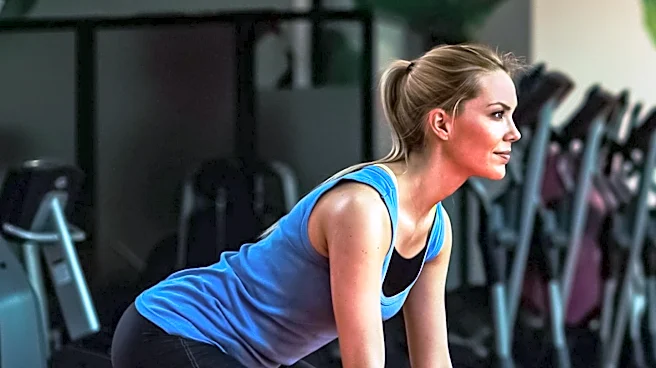
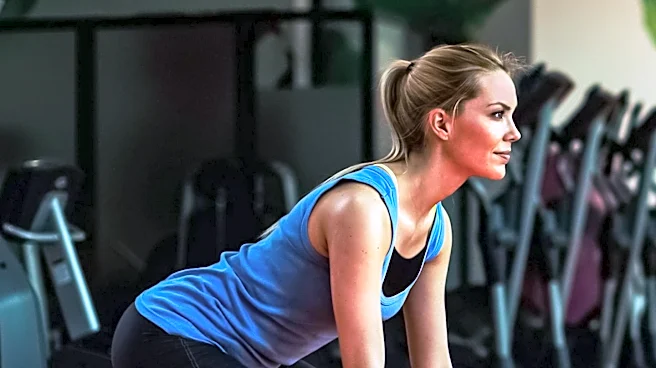
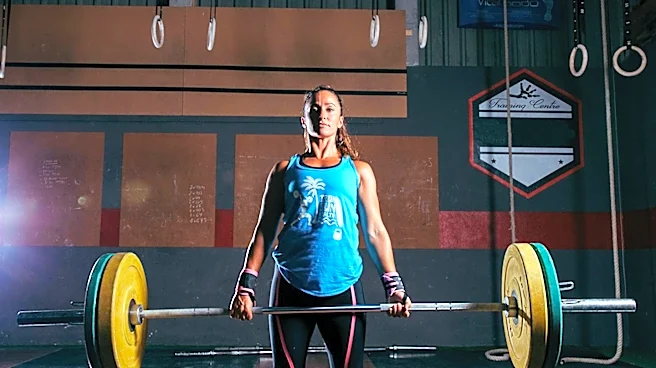
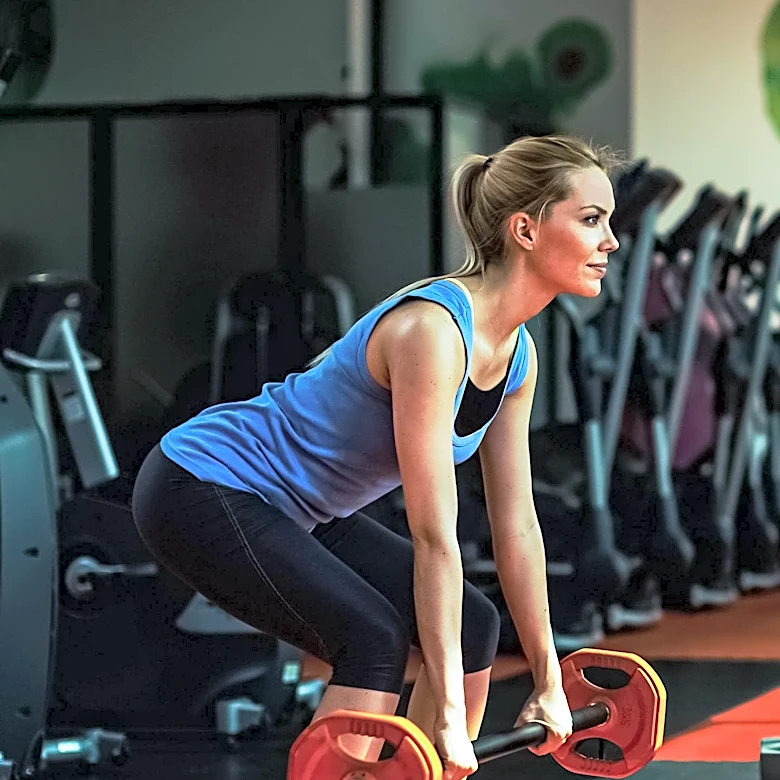
For post-menopausal women, engaging in heavy weightlifting is identified as a critical strategy to combat accelerated bone loss and muscle degradation. The rate of bone loss significantly increases immediately after menopause, and resistance training
offers a protective effect during this period. The concept of 'heavy' is relative, meaning the weight should be challenging enough that the last few repetitions of a set are difficult to complete with proper form. This progressive overload stimulates muscles and bones to adapt and strengthen. Estrogen loss during perimenopause and menopause directly impacts muscle protein synthesis, making the body less efficient at building and maintaining lean tissue. This hormonal shift also leads to changes in fat distribution, a decline in bone density, and a slowed metabolism. Heavy resistance training directly counters these changes by stimulating muscle protein synthesis through mechanical load, stressing bones to trigger remodeling and preserve density, and raising the resting metabolic rate by maintaining lean mass. Two to three sessions per week, focusing on compound movements like squats, deadlifts, and presses, are recommended, with 3-4 sets of 4-8 repetitions per exercise.
Why It's Important?
This information is vital for public health and women's wellness in the U.S., as it highlights a proactive approach to mitigating common health issues associated with menopause. By emphasizing heavy weightlifting, the guidance challenges conventional notions of exercise for older women, moving beyond light 'toning' exercises to more impactful strength training. The benefits extend beyond physical strength, contributing to better balance, reduced risk of falls, and greater independence in later life. Higher bone density significantly lowers the risk of catastrophic fractures, which are a major concern for post-menopausal women. Maintaining lean muscle mass also helps sustain a responsive metabolism, addressing metabolic slowdown often experienced during this life stage. This approach can lead to a higher quality of life, reduced healthcare costs associated with age-related injuries, and a more active aging population, impacting both individual well-being and broader societal health outcomes.
What's Next?
The emphasis on proper technique before increasing load is crucial to prevent injuries. Women starting heavy lifting are advised to work with a coach or qualified personal trainer for an initial period to learn correct form, including core bracing, hip hinging, and maintaining a neutral spine. This foundational training can provide long-term benefits and reduce injury risk. Additionally, adequate recovery, including sufficient protein intake, is highlighted as essential for muscle repair and growth, as muscle is built between workouts. Nutritional guidance, particularly focusing on leucine-rich protein sources like eggs, Greek yogurt, and lean meats, will be a key next step for those adopting this regimen. Further research and public health campaigns could focus on educating women and healthcare providers about the specific benefits and safe implementation of heavy resistance training during and after menopause, potentially leading to updated exercise guidelines and increased participation in strength training programs.
Beyond the Headlines
The recommendation for heavy weightlifting for post-menopausal women challenges the persistent myth that women will become 'bulky' from strength training. This misconception often deters women from engaging in effective resistance exercises. The source clarifies that women lack the testosterone levels to build significant bulk, and instead, heavy lifting leads to a leaner, denser physique, improved posture, and enhanced functional strength for daily tasks. This shift in understanding can empower women to embrace strength training without fear of undesirable aesthetic outcomes. Furthermore, the article implicitly addresses the broader societal perception of aging, particularly for women, by advocating for strength and resilience rather than a focus on decline. This can contribute to a more positive and active view of aging, promoting self-efficacy and challenging ageist stereotypes in fitness and health. The accessibility of this training, even without a gym membership, using tools like kettlebells or bodyweight, underscores its potential for widespread adoption.