








What's Happening?
Health experts are emphasizing the importance of a diverse, colorful diet rich in whole foods, including vegetables, fruits, and omega-3 fatty acids, as a primary strategy for supporting mood regulation and alleviating depressive symptoms. According to Jess
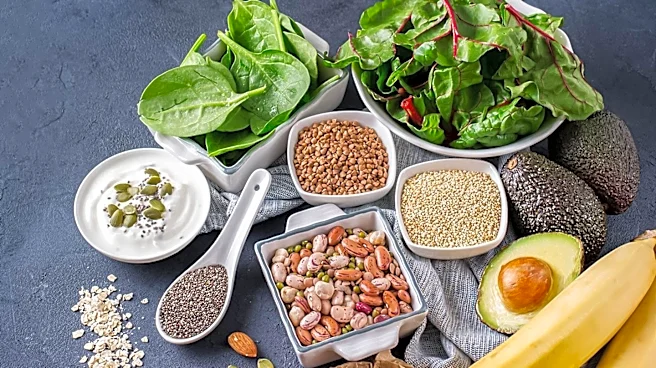
Henning, APRN-CNP, IFMCP, a nurse practitioner at The Ohio State University Wexner Medical Center, a Mediterranean diet, free from processed foods and added sugar, is particularly beneficial. Specific nutrients highlighted for their mood-boosting properties include magnesium, found in leafy greens, nuts, seeds, whole grains, legumes, and fish, which has shown positive effects on mood regulation. Additionally, maintaining adequate Vitamin D levels through sources like sun-exposed mushrooms, fortified milk, yogurt, orange juice, and cheese is crucial, as low Vitamin D has been linked to depression and seasonal affective disorder.
Why It's Important?
This focus on dietary interventions for mood support is significant for U.S. public health, as it offers accessible and potentially complementary strategies for managing depression, a condition affecting an estimated one in five U.S. adults. By promoting nutrient-dense foods and specific supplements, healthcare providers can empower individuals to take a more active role in their mental well-being. The emphasis on whole foods and the Mediterranean diet aligns with broader public health goals of reducing chronic diseases linked to poor nutrition. However, experts caution that while these natural approaches can be effective tools, they should not replace conventional treatments like therapy or medication, especially given that supplements are not regulated by the U.S. Food & Drug Administration (FDA). This highlights the need for personalized care and consultation with healthcare professionals to ensure safe and effective integration of dietary changes and supplements.
What's Next?
The trend towards integrating nutrition into mental health care is likely to continue, with an increased focus on personalized dietary plans and targeted supplementation based on individual needs and lab results. Healthcare providers are expected to increasingly recommend comprehensive approaches that combine diet changes, exercise, bodywork, and conventional treatments. Further research is needed to establish optimal dosing, long-term safety, and efficacy for many natural antidepressants. Consumers will need to be vigilant about product quality and consult with their doctors before starting any new supplements, particularly due to potential interactions with medications. The growing awareness of the gut-brain axis will also drive more research into the role of probiotics and gut health in mood regulation, potentially leading to new dietary recommendations and interventions.
Beyond the Headlines
The growing recognition of food's impact on mood underscores a fundamental shift in understanding the interconnectedness of physical and mental health. This perspective challenges the traditional separation of mind and body in healthcare, advocating for a more holistic approach. The emphasis on natural, food-based solutions also reflects a broader societal desire for empowerment and self-management in health, moving away from a sole reliance on pharmaceutical interventions. However, this trend also carries the risk of misinformation and the proliferation of unsubstantiated claims in the supplement market. The ethical challenge lies in ensuring that individuals receive accurate, evidence-based guidance on dietary interventions for mental health, preventing the delay of effective care, and promoting responsible product development and marketing within the wellness industry.