
What's Happening?
Homeowners are increasingly integrating wellness-focused designs and amenities into their backyard spaces, moving away from traditional recreational setups. This trend is driven by a desire for personal sanctuaries that promote relaxation, recovery, and disconnection
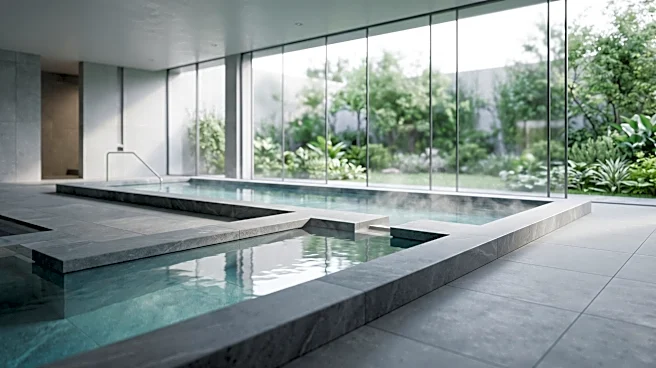
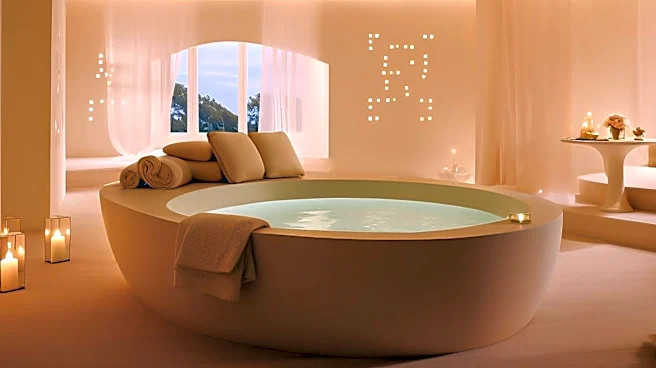
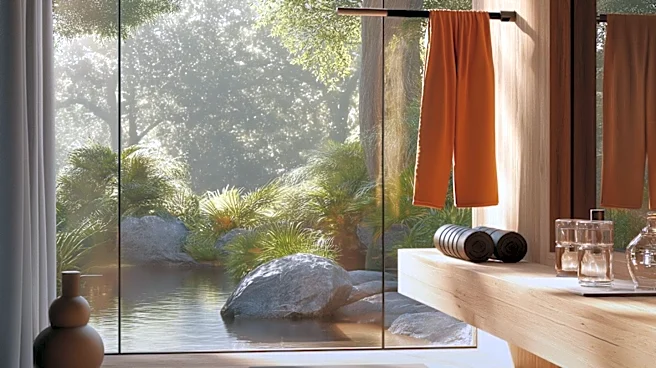
from daily stressors. Designers like Maria Moscato of Mia Luna Design note that classic 'kidney bean' pools are becoming obsolete, replaced by designs that seamlessly integrate with the home and landscape. Mike Farley, an elite design consultant at Claffey Pools, observes a shift towards dedicated wellness zones that may include cold plunges, hot tubs, saunas, and yoga spaces. Some projects even feature detached wellness rooms or pool houses that combine saunas, showers, bathrooms, and recovery areas into a single structure. The demand for these spaces has grown, particularly as people seek to create restorative environments at home.
Why It's Important?
This shift in backyard design signifies a broader cultural emphasis on personal well-being and self-care within the home environment. For the U.S. construction and landscaping industries, it presents new opportunities and challenges. Builders and designers must adapt to evolving client demands, focusing on integrated wellness solutions rather than isolated features. This trend impacts manufacturers of wellness products, such as saunas, cold plunges, and specialized water treatment systems, as demand for these items rises. Homeowners stand to gain by creating personalized retreats that enhance their physical and mental health, potentially increasing property values and improving quality of life. Conversely, businesses that fail to recognize and cater to this growing market for wellness-centric outdoor spaces may lose out on significant revenue opportunities. The emphasis on natural materials, thoughtful lighting, and privacy also highlights a growing consumer preference for holistic and aesthetically pleasing outdoor living areas.
What's Next?
The trend of integrating wellness rooms and amenities into backyard designs is expected to continue, with further innovation in product offerings and design approaches. Builders will need to engage in more comprehensive planning, often creating master plans for phased construction to accommodate complex wellness installations like plumbing and electrical infrastructure early on. There will likely be increased demand for specialized contractors and designers proficient in creating these integrated wellness environments. Additionally, homeowners are showing interest in alternative water treatment methods, such as biofilters, which could drive research and development in sustainable and health-conscious pool and spa technologies. As this market matures, we may see more standardized wellness packages and smart home integrations that allow for seamless control of outdoor wellness features. The focus will remain on creating spaces that engage all five senses, offering a truly restorative experience.
Beyond the Headlines
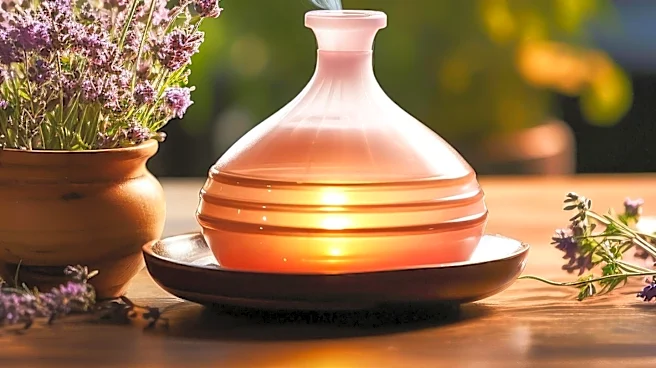
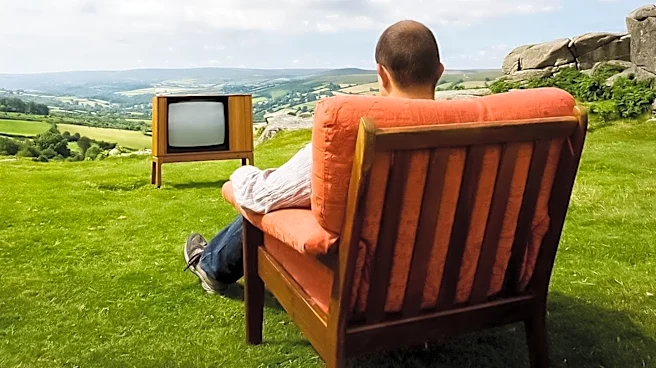
The rise of wellness rooms and integrated backyard amenities reflects a deeper societal shift towards prioritizing health and mindfulness in everyday life. This trend extends beyond mere luxury, indicating a fundamental change in how people view their homes—not just as living spaces, but as essential components of their overall well-being strategy. Ethically, this movement encourages a more thoughtful approach to design, emphasizing sustainability and natural integration. Culturally, it suggests a growing desire to disconnect from digital overload and reconnect with nature and personal tranquility. The long-term implications could include a redefinition of 'home value' to encompass not just square footage and location, but also the quality and availability of personal wellness infrastructure. This could also lead to increased awareness and adoption of practices like hydrotherapy, aromatherapy, and outdoor meditation, making these once niche activities more mainstream.