








What's Happening?
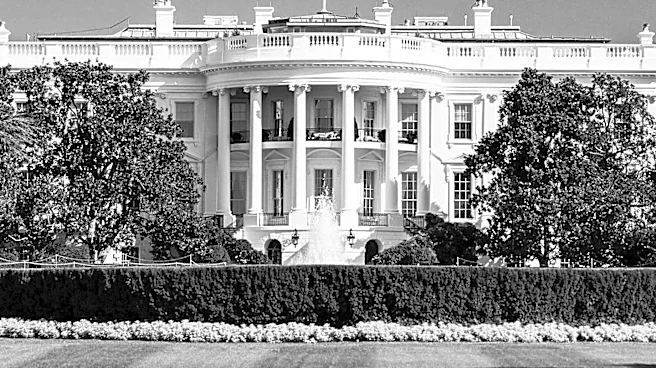
A Reuters article reporting that the White House's plan for copper tariffs has stalled due to affordability concerns caused copper prices to drop by as much as 4.3%. This news significantly altered expectations in the copper market, which had been experiencing
tight supply due to high material draw into the U.S. The market's sensitivity to this development highlights the critical role that tariff discussions play in copper pricing. The decline in price occurred despite the report suggesting a delay, not a cancellation, of the proposed tariffs. This indicates that even rumors of changes in tariff policy can have immediate and substantial effects on commodity markets. The current high prices in the copper market are largely influenced by the expectation of continued flows into the U.S., and any disruption to this expectation can lead to significant price adjustments.
Why It's Important?
The stalling of the White House's copper tariff plan is important because it directly impacts the U.S. industrial sector, particularly those reliant on copper as a raw material. A delay or cancellation of tariffs could stabilize or even lower copper prices, benefiting manufacturers and consumers by reducing input costs for various products, from electronics to construction materials. Conversely, the uncertainty surrounding tariffs creates volatility, making it difficult for businesses to plan and budget. The immediate market reaction, with copper prices falling, demonstrates how sensitive global commodity markets are to U.S. trade policy decisions. This situation also underscores the broader economic concern of affordability, as the administration weighs the impact of tariffs on domestic prices and inflation. The potential for record-shattering high prices to become harder to justify if tariffs do not materialize suggests a significant shift in market dynamics, affecting producers, traders, and end-users of copper.
What's Next?
The copper market will likely remain highly sensitive to any further announcements or leaks regarding the White House's tariff plans. If the tariffs are ultimately not implemented, or if their implementation is further delayed, the current high prices in the copper market may become unsustainable, potentially leading to a more significant price correction. Conversely, if the White House decides to proceed with the tariffs, copper prices could rebound, reflecting increased costs for imports into the U.S. Stakeholders, including mining companies, manufacturers, and investors, will be closely monitoring official statements from the White House and trade representatives. The decision will also influence global trade flows, as a lack of tariffs could encourage continued high volumes of copper imports into the U.S., while tariffs could divert supplies to other markets. The ongoing inflation concerns in the U.S. will likely continue to be a key factor in the administration's decision-making process regarding these tariffs.
Beyond the Headlines
This situation highlights the intricate balance between trade policy, domestic economic concerns, and global commodity markets. The White House's consideration of 'affordability concerns' in its tariff decisions reflects a broader recognition of the impact of trade measures on everyday consumers and the overall economy. It suggests a potential shift in trade policy priorities, where the immediate economic burden on citizens might take precedence over protectionist measures. This could set a precedent for future trade decisions, indicating a more cautious approach to tariffs, especially in sectors critical to infrastructure and manufacturing. The incident also underscores the power of information and rumors in financial markets, where unconfirmed reports can trigger significant price movements, demonstrating the need for clear and consistent communication from government bodies to maintain market stability and predictability.