








What's Happening?
International expansion for retail stores and restaurants is fraught with complex supply chain and compliance risks that can lead to significant delays and budget overruns. Unlike domestic rollouts, international projects involve navigating multiple regulatory
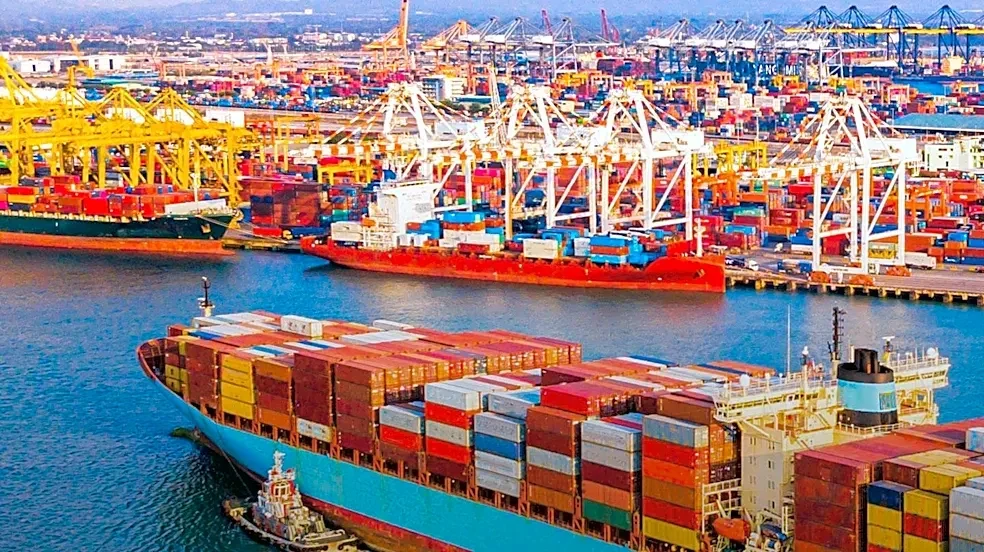
environments, unfamiliar supplier networks, and diverse customs regimes. Key risk categories include supply chain and logistics, regulatory and compliance, customs and trade compliance, cultural and market adaptation, financial and currency fluctuations, and operational coordination. Supply chain fragmentation, where procurement, logistics, and installation are managed by separate parties without shared visibility, is identified as the primary driver of delayed openings. Regulatory compliance varies drastically by country, requiring market-specific legal and customs planning for elements like building codes, fire safety, and electrical certifications. Customs clearance is often underestimated, with incorrect classifications or incomplete documentation causing shipments to be held at borders for extended periods.
Why It's Important?
The challenges highlighted in international store and restaurant rollouts have significant implications for U.S. businesses seeking global growth. Failure to adequately address these risks can result in substantial financial losses, damage to brand reputation, and missed market opportunities. For U.S. companies, understanding and mitigating these complexities is crucial for successful international market penetration and sustained profitability. The need for specialized expertise in global logistics, regulatory compliance, and cultural adaptation underscores the importance of strategic planning and investment in robust operational frameworks. This impacts not only the individual businesses but also the overall competitiveness of U.S. retail and hospitality sectors on a global scale.
What's Next?
To mitigate these risks, businesses are advised to adopt proactive strategies. This includes conducting thorough risk mapping before market entry, establishing local compliance partnerships, and front-loading procurement timelines. Centralized supply chain visibility platforms are recommended to connect purchase orders, shipments, and site readiness into a single operational picture, enabling early intervention for potential delays. Companies should also build schedule buffers at critical customs and logistics milestones and pre-qualify suppliers and logistics partners. The report suggests that a resilient rollout plan assumes potential disruptions and builds in structured contingencies at every critical dependency point, emphasizing data-driven decision-making for future expansions.
Beyond the Headlines
The complexities of international expansion extend beyond logistical and regulatory hurdles, touching upon deeper ethical and cultural considerations. Businesses must navigate diverse labor laws, environmental standards, and consumer expectations, which can vary significantly from their home markets. The need for cultural adaptation in store design and product offerings highlights the importance of respecting local customs and preferences, moving beyond a 'one-size-fits-all' approach. Furthermore, the reliance on technology for supply chain visibility raises questions about data security, privacy, and the potential for technological disparities across different regions. Successfully managing these multifaceted challenges requires a holistic approach that integrates operational efficiency with a deep understanding of global interconnectedness and local nuances.