





What's Happening?
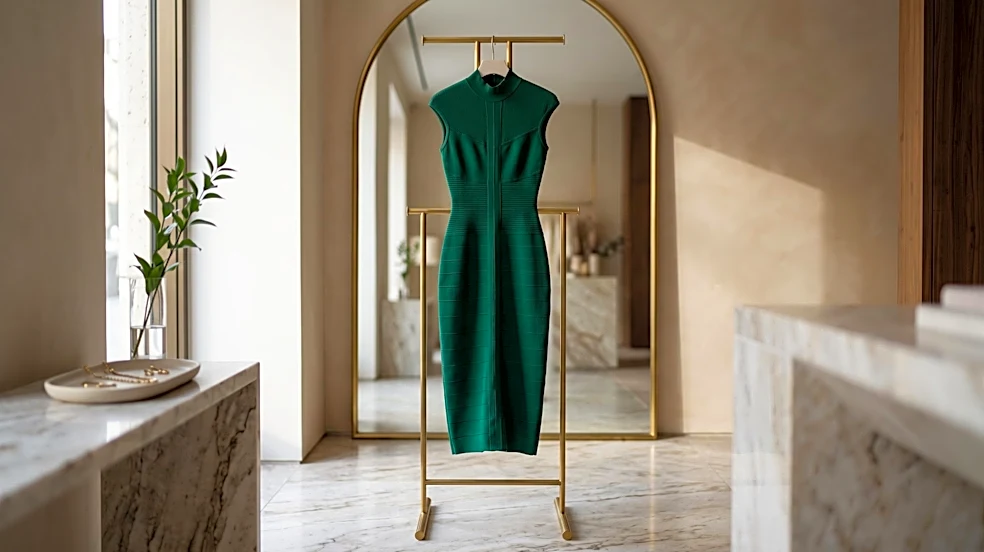
The bandage dress, a form-fitting garment popular in the 2000s and early 2010s, is making a significant comeback in the fashion world. This trend is evident on red carpets, fashion runways, and among notable figures. Actresses like Lili Reinhart have
been seen sporting updated versions of the dress, with Michelle Ochs, creative director of Hervé Léger, a brand synonymous with the style, designing some of these pieces. Hervé Léger is celebrating its 40th anniversary, further highlighting the return of its iconic design. The resurgence is fueled by nostalgia for 80s, 90s, and 2000s fashion, with designers like Christopher Kane and major fashion houses like Versace and Tom Ford re-emphasizing body-hugging silhouettes and revealing cuts. Celebrities such as Zara Larsson, Amal Clooney, Olivia Dean, and even Michelle Obama have been photographed wearing various interpretations of the bandage dress, signaling its renewed popularity.
Why It's Important?
The return of the bandage dress signifies a broader trend in the fashion industry towards embracing nostalgia and reinterpreting styles from previous decades. This shift impacts designers, retailers, and consumers, as brands capitalize on the demand for retro fashion. For designers, it presents an opportunity to innovate on classic silhouettes, as seen with Christopher Kane's collaboration with Self-Portrait and the updated designs from Hervé Léger. Retailers will likely adjust their inventories to meet consumer interest in these body-conscious styles, potentially leading to increased sales in this segment. For consumers, it offers a chance to revisit or discover a fashion trend that emphasizes glamour and a defined silhouette. The endorsement by high-profile individuals like Amal Clooney and Michelle Obama further legitimizes the trend, influencing mainstream fashion and potentially driving its widespread adoption across different demographics.
What's Next?
The continued presence of bandage dresses on runways and red carpets suggests that this trend is likely to persist and evolve in the coming seasons. Fashion houses may introduce new variations, fabrics, and styling options to keep the look fresh and appealing. We can anticipate more designers incorporating similar body-con styles into their collections, potentially leading to a broader embrace of figure-emphasizing garments. The influence of social media, where images of celebrities in these dresses are widely shared, will continue to play a crucial role in disseminating and popularizing the trend. Additionally, the return of other 2010s trends, such as peplum cuts and gladiator sandals, indicates a sustained interest in recent fashion history, suggesting that the industry will continue to draw inspiration from these periods. A retrospective exhibition dedicated to designer Azzedine Alaïa, credited with originating the style, is scheduled to open in November at the Legion of Honor museum in San Francisco, which could further cement the historical and cultural significance of this fashion movement.
Beyond the Headlines
The resurgence of the bandage dress reflects deeper cultural shifts related to body image, confidence, and the cyclical nature of fashion. This style, which inherently emphasizes the body's contours, can be seen as a statement of self-assurance and a celebration of the female form. Its return in an era increasingly focused on body positivity and diverse representations could signify a more inclusive interpretation of 'body-con' fashion, moving beyond previous associations with exclusivity. The trend also highlights the powerful role of celebrity endorsement and social media in shaping contemporary fashion narratives. The nostalgic appeal taps into a collective desire for comfort and familiarity, especially in uncertain times, where revisiting past trends can offer a sense of continuity. Furthermore, the re-emergence of styles from the 2000s and 2010s suggests a shortening of the fashion cycle, where trends are being recycled at a faster pace than in previous decades, posing both opportunities and challenges for sustainable fashion practices.