


What's Happening?
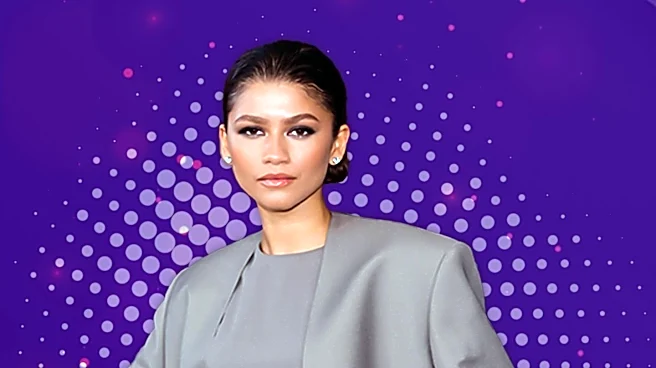
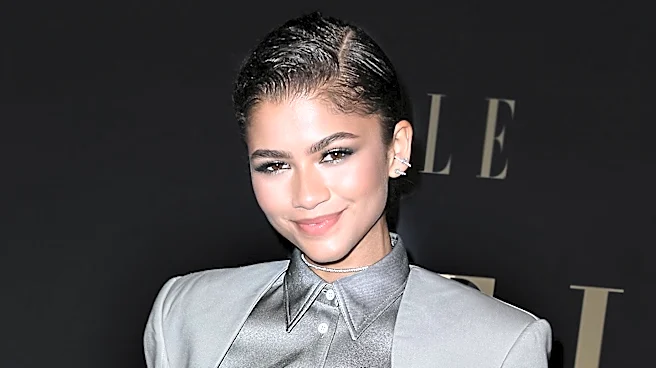
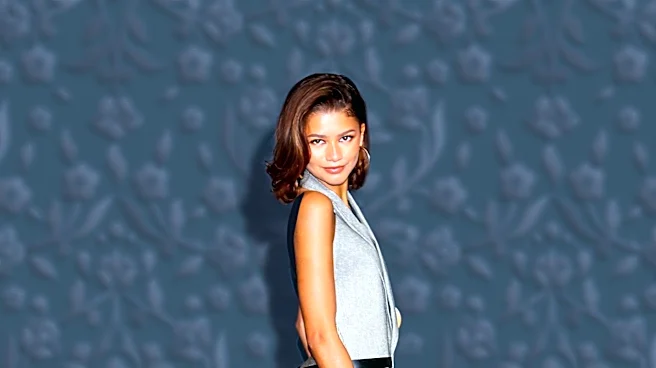
Celebrity couples are evolving their approach to red carpet fashion, moving away from overtly matching outfits towards more subtle and complementary styles. This shift is highlighted by couples like Zendaya and Tom Holland, who exhibit an 'easy sartorial
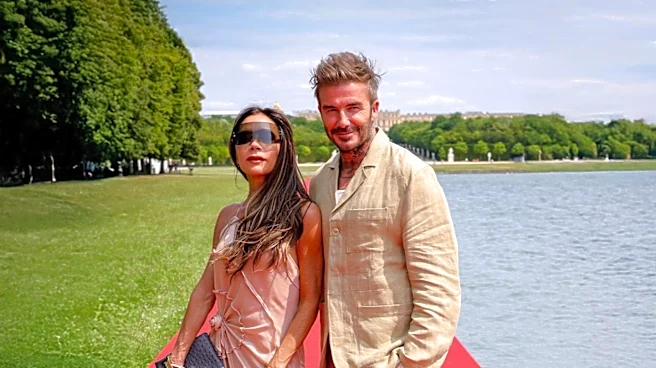
chemistry' by complementing each other's looks rather than wearing identical ensembles. Similarly, David and Victoria Beckham, known for their past matching outfits, now opt for a muted palette and polished sensibility that creates a visual connection without being matchy-matchy. Selena Gomez and Benny Blanco demonstrate a looser approach, with Gomez's Hollywood glamour contrasting Blanco's relaxed style, yet their looks are connected by formality, color, or the mood of the occasion. Emily Blunt and John Krasinski also exemplify this trend, with Krasinski's refined attire balancing Blunt's elaborate gowns. Priyanka Chopra and Nick Jonas embrace glamour as a shared language, blending Western and Indian fashion with color and texture as connective elements. This new trend emphasizes individual wardrobes with a shared visual rhythm, suggesting that successful couple dressing is about matching the mood rather than the clothes.
Why It's Important?
This evolution in celebrity red carpet fashion reflects broader trends in personal style and public perception. For the fashion industry, it signals a move towards more nuanced and sophisticated styling, potentially influencing design trends and consumer preferences. Brands and designers may adapt to cater to this demand for complementary, rather than identical, couple wear. For celebrities, mastering this art of subtle coordination can enhance their public image, projecting a sense of unity and refined taste without appearing contrived. It also offers stylists new creative avenues, challenging them to craft cohesive looks that celebrate individual expression within a couple's aesthetic. This trend could also impact how the public views relationship dynamics, moving away from the idea that matching outfits are a sole indicator of relationship strength, towards an appreciation for more authentic and individualistic expressions of partnership. The shift underscores a growing appreciation for personal style and individuality, even within the context of a public couple.
What's Next?
The trend of subtly coordinated celebrity couple dressing is likely to continue to evolve, with more couples adopting this nuanced approach on red carpets and public appearances. Stylists will play a crucial role in defining and pushing the boundaries of this trend, experimenting with different ways to create visual harmony without sacrificing individual style. We can expect to see more emphasis on complementary color palettes, fabric textures, and thematic elements rather than direct matching. Fashion publications and social media will continue to analyze and highlight these evolving styles, further solidifying their influence on mainstream fashion. This could also lead to a greater appreciation for individual style within relationships, encouraging people to express their personalities while still presenting a cohesive image with their partners. Designers might also start creating collections that offer complementary pieces for couples, catering to this growing demand for sophisticated, non-identical coordination.
Beyond the Headlines
Beyond the immediate fashion implications, this trend touches upon deeper cultural shifts regarding individuality and partnership. It suggests a move away from traditional notions of conformity in relationships, where couples might have felt pressure to present a perfectly synchronized front. Instead, it champions a more modern view where individual identities are celebrated and integrated into a harmonious whole. This subtle coordination can be seen as a metaphor for healthy relationships, where partners maintain their unique selves while still being deeply connected. It also highlights the increasing sophistication of celebrity branding, where every public appearance is a carefully curated statement. The art of complementary dressing requires a deeper understanding of personal style and how it interacts with another's, reflecting a more mature and thoughtful approach to public image management. This trend could inspire a broader cultural conversation about how individuals express their identity within the context of a relationship.