
What's Happening?
Taiwan Semiconductor Manufacturing Company (TSMC) is accelerating its 2-nanometer production timeline, signaling strong and durable demand in the semiconductor market. The company has revised its production targets
for the 2-nanometer process upward by approximately 20%, aiming for around 120,000 wafers per month by the end of 2026, up from an earlier baseline of 100,000 wafers. This expansion is driven by guaranteed client orders from major technology firms like Apple, NVIDIA, and Advanced Micro Devices, who are engaged in an 'architectural arms race' to maximize silicon efficiency for advanced AI models and high-performance computing. These clients are willing to pay a premium for early capacity, with early estimates suggesting a 2-nanometer wafer will command a price approaching $30,000, a 50% premium over the 3-nanometer node. This indicates that the top tier of the semiconductor market operates independently of standard consumer electronics cycles.
Why It's Important?
TSMC's accelerated 2-nanometer production is a critical indicator of the foundational strength of the current semiconductor cycle, particularly for the U.S. technology sector. As a primary foundry for leading U.S. tech giants, TSMC's capacity expansion directly impacts the ability of companies like Apple, NVIDIA, and AMD to innovate and deliver next-generation products. The high demand for these advanced chips, especially for AI and high-performance computing, underscores the strategic importance of cutting-edge semiconductor manufacturing. The willingness of clients to pay a significant premium for 2-nanometer wafers highlights the immense value placed on silicon efficiency and performance in today's technological landscape. This trend ensures that the U.S. remains at the forefront of technological advancement, driving economic growth and maintaining a competitive edge in critical sectors like AI and data processing. The expansion also signals a robust, multi-year demand cycle for advanced semiconductors, benefiting the entire supply chain.
What's Next?
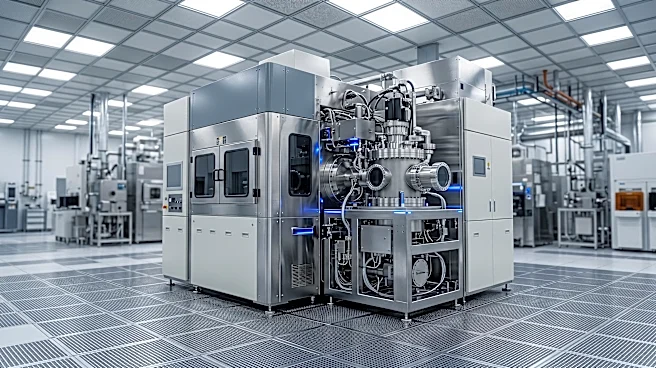
The accelerated production of 2-nanometer chips by TSMC will likely lead to a ripple effect across the semiconductor supply chain, creating additional demand for sophisticated production equipment. Wells Fargo suggests this expansion presents an incremental opportunity for semiconductor equipment companies. The focus will be on how TSMC manages its geographic diversification, as building fabrication facilities outside Taiwan, potentially in the United States, could impact operating costs and labor availability. However, the unparalleled pricing leverage of the 2-nanometer node is expected to offset these expansion costs. The industry will also monitor the continued 'architectural arms race' among tech giants, which will sustain demand for increasingly advanced and efficient chips. Future developments will include further advancements in manufacturing nodes and potential shifts in client demand as AI technology evolves.
Beyond the Headlines
TSMC's dominance in advanced chip manufacturing, particularly with its 2-nanometer push, has profound geopolitical implications. By controlling a significant portion of the world's supply of critical technological components, TSMC acts as a 'toll road' for the digital economy. This concentration of manufacturing capability in one company, and largely in one region, creates vulnerabilities and strategic dependencies for nations, including the U.S. The 'architectural arms race' among tech companies is not just about market share but also about national technological sovereignty and security. The high cost of advanced wafers and the necessity for leading-edge technology mean that only a few players can compete at this level, potentially exacerbating technological divides. This situation underscores the ongoing global competition for semiconductor leadership and the efforts by various governments, such as through the CHIPS Act, to localize and secure their semiconductor supply chains.